معرفی
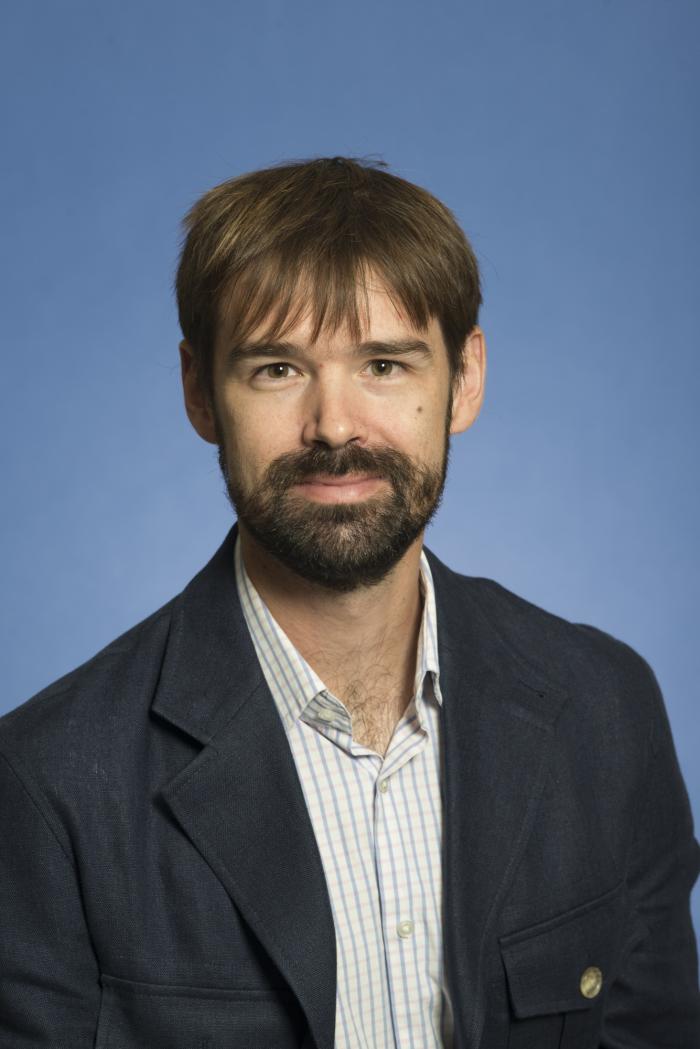
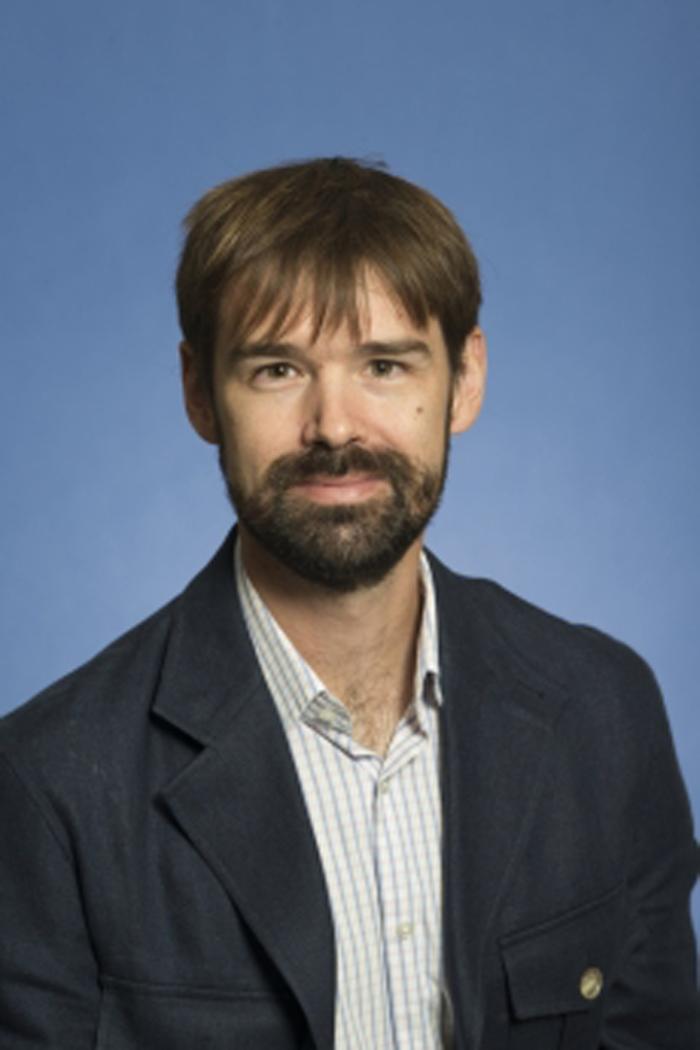
Benjamin D. Hopkins serves as Professor of History and International Affairs and Senior Associate Dean of Academic Affairs at the Elliott School of International Affairs, George Washington University. His research centers on modern South Asia with specialized focus on Afghanistan and British imperial history on the Indian subcontinent.
He earned his Ph.D. from the University of Cambridge in 2006.
Professor Hopkins' research explores the historical construction of political borders, frontier governance systems, and the enduring legacies of imperialism in South and Central Asia. His work critically examines how colonial administrative practices shaped contemporary state sovereignty, particularly through frontier management techniques that continue to influence geopolitical realities. He investigates intersections of violence, memory, and economic systems within imperial and post-imperial contexts.
His publications consistently analyze the relationship between local social structures and external imperial forces, with particular emphasis on Afghanistan-Pakistan borderlands. Recent scholarship demonstrates interdisciplinary methodology blending historical analysis with anthropological insights to dissect state formation processes and counterinsurgency practices across centuries.
His scientific awards include:
- Ananda Kentish Coomaraswamy Prize (2022)
- Council on Foreign Relations Fellowship
- Woodrow Wilson Center for International Scholars Fellowship
- National University of Singapore Fellowship
- School for Advanced Research in Santa Fe Fellowship
Professor Hopkins directed the Sigur Center for Asian Studies from 2016-2021 and served in the State Department's Bureau of Conflict Stabilization Operations during 2021-22. His research has received substantial funding from the Leverhulme Trust, British Academy, American Institute of Iranian Studies, Nuffield Foundation, and Trinity College Cambridge. He regularly teaches graduate and undergraduate courses on South Asian history, Central Asian geopolitics, and historical memory while maintaining active public engagement through media contributions to The New York Times, The National Interest, and BBC.