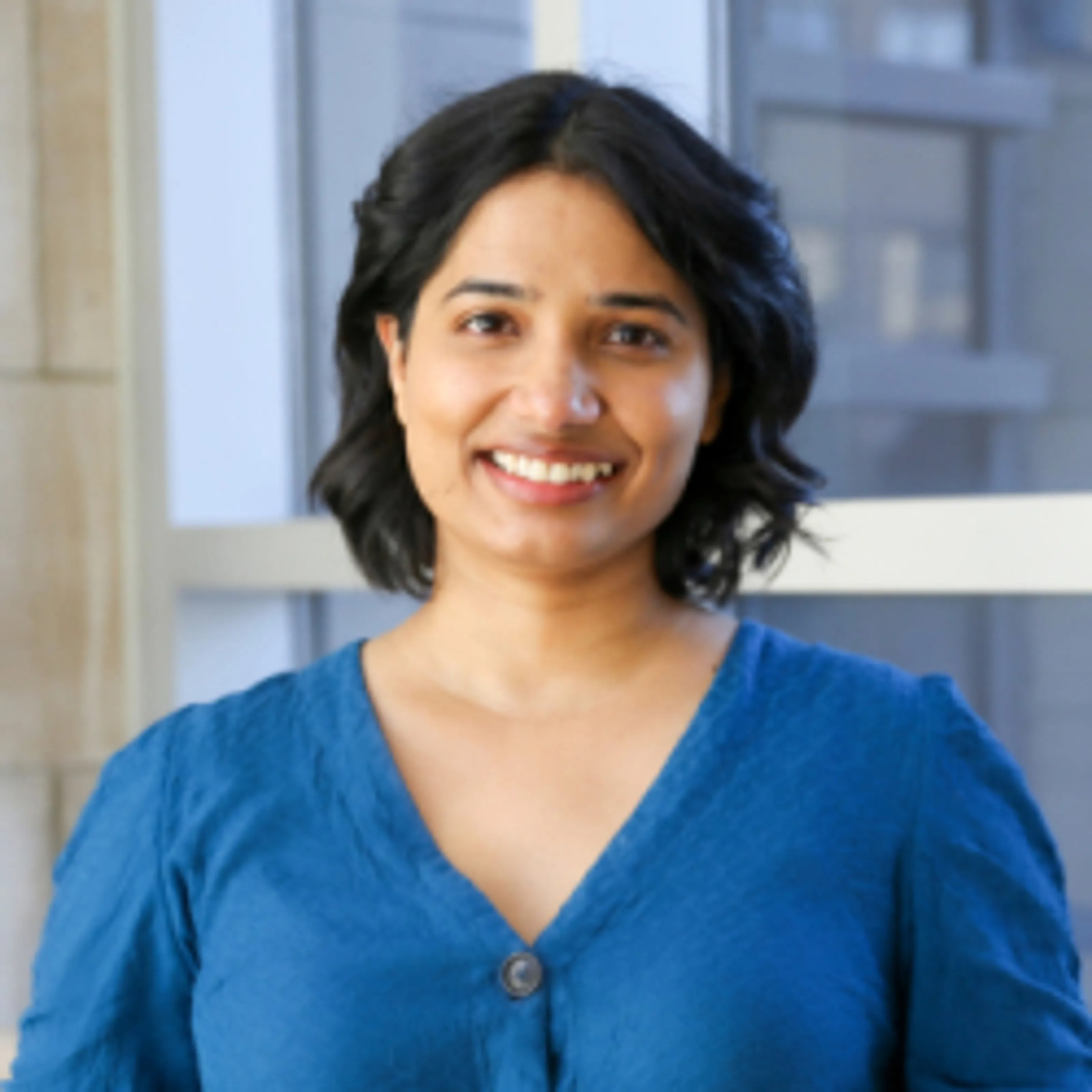
Beenash Jafri
استادیار · Critical Race and Ethnic Studies
University of California, Davisمعرفی
Beenash Jafri is an Assistant Professor in the Department of Gender, Sexuality, and Women's Studies at the University of California, Davis. Her interdisciplinary scholarship bridges feminist, queer, Indigenous, and critical ethnic studies, with a focus on Asian diasporic engagements with settler colonialism and Indigeneity through film and media.
Education:
- PhD in Gender, Feminist and Women's Studies, York University, Toronto
Her research investigates how Asian diasporic communities navigate and reproduce settler colonial ideologies, particularly through visual culture. She critically examines the relational dynamics between race, Indigeneity, and structural violence, advocating for new frameworks in film studies that center decolonial and intersectional analysis. Her work appears in leading journals such as GLQ, Settler Colonial Studies, and American Indian Culture and Research Journal, as well as public platforms like Public Books and Truthout.
Recent publications reflect a strong trajectory in cultural studies, media theory, and decolonial critique. Her work consistently engages with interdisciplinary methodologies, combining film analysis with critical race theory, queer of color critique, and Indigenous epistemologies. Themes across her publications include diasporic identity, cinematic representation, coalition politics, and the affective dimensions of settler complicity.
Editorial Roles:
- Co-editor, Cultural Studies in the Interregnum (Temple University Press, under contract)
- Co-editor, Special Issue on Asian Settler Colonial Critique, Amerasia Journal
- Book Reviews Co-Editor, Lateral: Journal of the Cultural Studies Association
Jafri is actively shaping scholarly discourse through editorial leadership and public intellectual engagement. While no advising or grant information is explicitly mentioned, her extensive publication record and editorial work indicate a robust research program. She contributes significantly to conversations on decolonization, racial justice, and feminist media studies.