معرفی
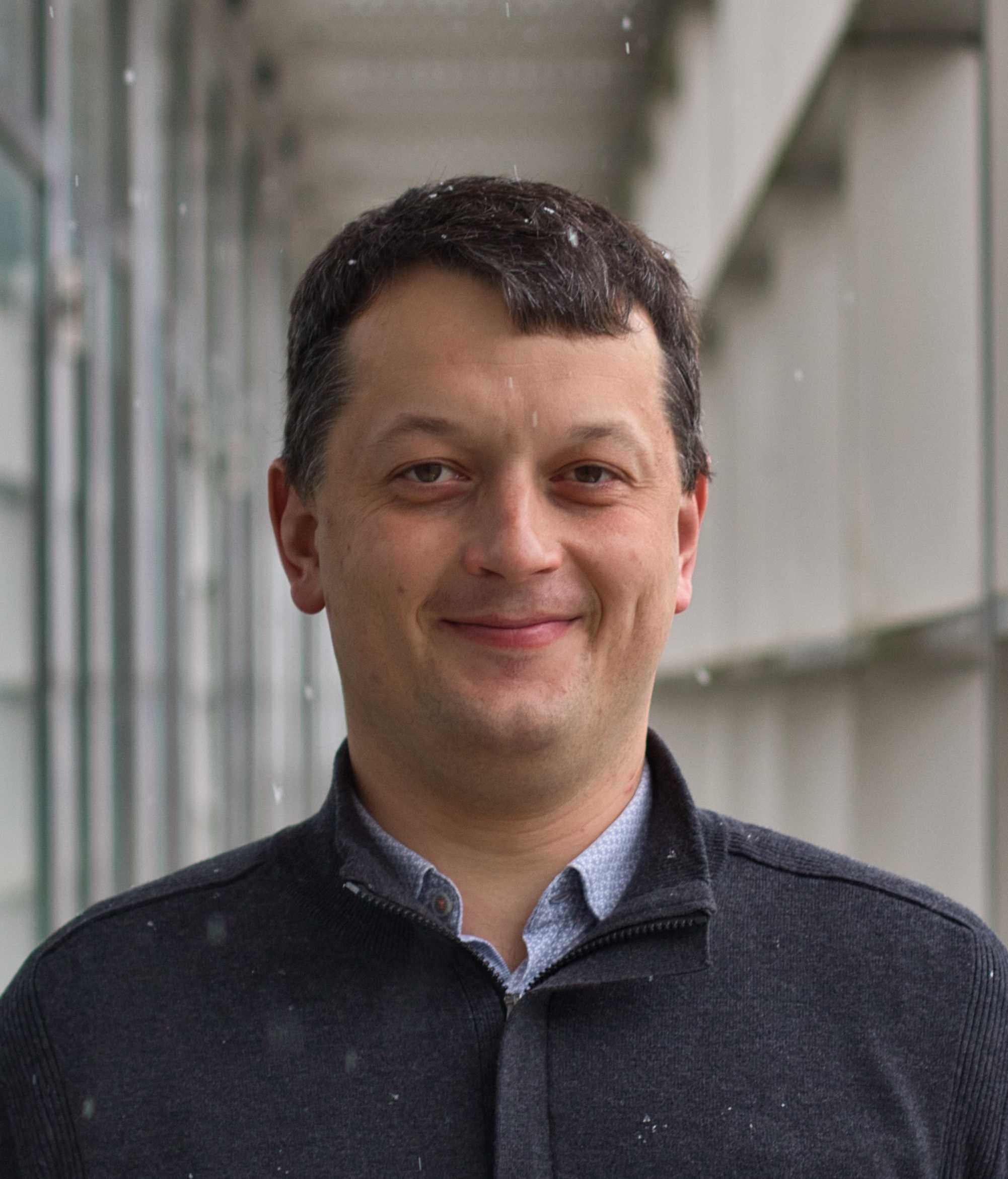
Dr. Bartosz Marcin Lewandowski is a Lecturer at the Department of Chemistry and Applied Biosciences, ETH Zurich, Switzerland. He joined the Wennemers Group in 2016 as a Senior Scientist after postdoctoral work at the University of Edinburgh and Manchester with Prof. David A. Leigh.
- Education: Ph.D. in Organic Chemistry (2009) from the Institute of Organic Chemistry, Polish Academy of Sciences, under Prof. Sławomir Jarosz, focusing on sucrose-based macrocyclic receptors. M.Sc. in Chemistry (2004) from Warsaw University of Technology, supervised by Prof. Mieczysław Mąkosza.
Lewandowski's research centers on designing synthetic supramolecular assemblies that mimic biological systems and machines. His work includes developing molecular receptors, catalytic templates for oligomerization, and switchable rotaxane catalysts. His publications highlight advancements in chiral recognition, sequence-specific peptide synthesis, and shape-persistent oligoprolines.
The 15 most recent articles span 2025 to 2014, with a focus on organic chemistry, supramolecular chemistry, and molecular machines. Key subfields include host-guest interactions, asymmetric catalysis, peptide synthesis, conformational control, photoresponsive materials, and molecular walkers. His collaborations with Prof. Helma Wennemers and Prof. David A. Leigh underscore interdisciplinary expertise.
Full Description: Dr. Bartosz Marcin Lewandowski is a lecturer at ETH Zurich, Department of Chemistry and Applied Biosciences, since 2016. His academic journey includes postdoctoral research at ETH Zurich (2013-2016), University of Edinburgh (2009-2012), and University of Manchester (2012-2013) under Nobel laureate Prof. David A. Leigh. He earned his Ph.D. (2009) from the Institute of Organic Chemistry, Polish Academy of Sciences, supervised by Prof. Sławomir Jarosz, with a thesis on sucrose-based macrocyclic receptors. His M.Sc. (2004) at Warsaw University of Technology focused on γ-halocarbanion precursors under Prof. Mieczysław Mąkosza.
Research interests lie in creating synthetic systems that emulate biological functions, particularly supramolecular assemblies for molecular recognition and catalysis. His work includes designing glucose-derived receptors for enantioselective binding, switchable rotaxane catalysts, and artificial molecular machines for sequence-specific synthesis. He has contributed to understanding PPII helical oligoprolines and template-driven catalytic reactions.
Publications (15 most recent) demonstrate expertise in organic synthesis, catalysis, and molecular nanotechnology. Notable works include a 2023 Nature Synthesis paper on programmable templates for oligomerization and a 2013 Science study on molecular machines for peptide synthesis. Collaborations with leading researchers like Prof. Helma Wennemers and Prof. David A. Leigh highlight his role in advancing synthetic molecular systems.
Dr. Lewandowski's contributions span asymmetric catalysis, supramolecular chemistry, and molecular machine design, with applications in chemical synthesis and biomimetic systems. His full bibliography includes book chapters and reviews on carbohydrate chemistry and molecular assembly techniques.