معرفی
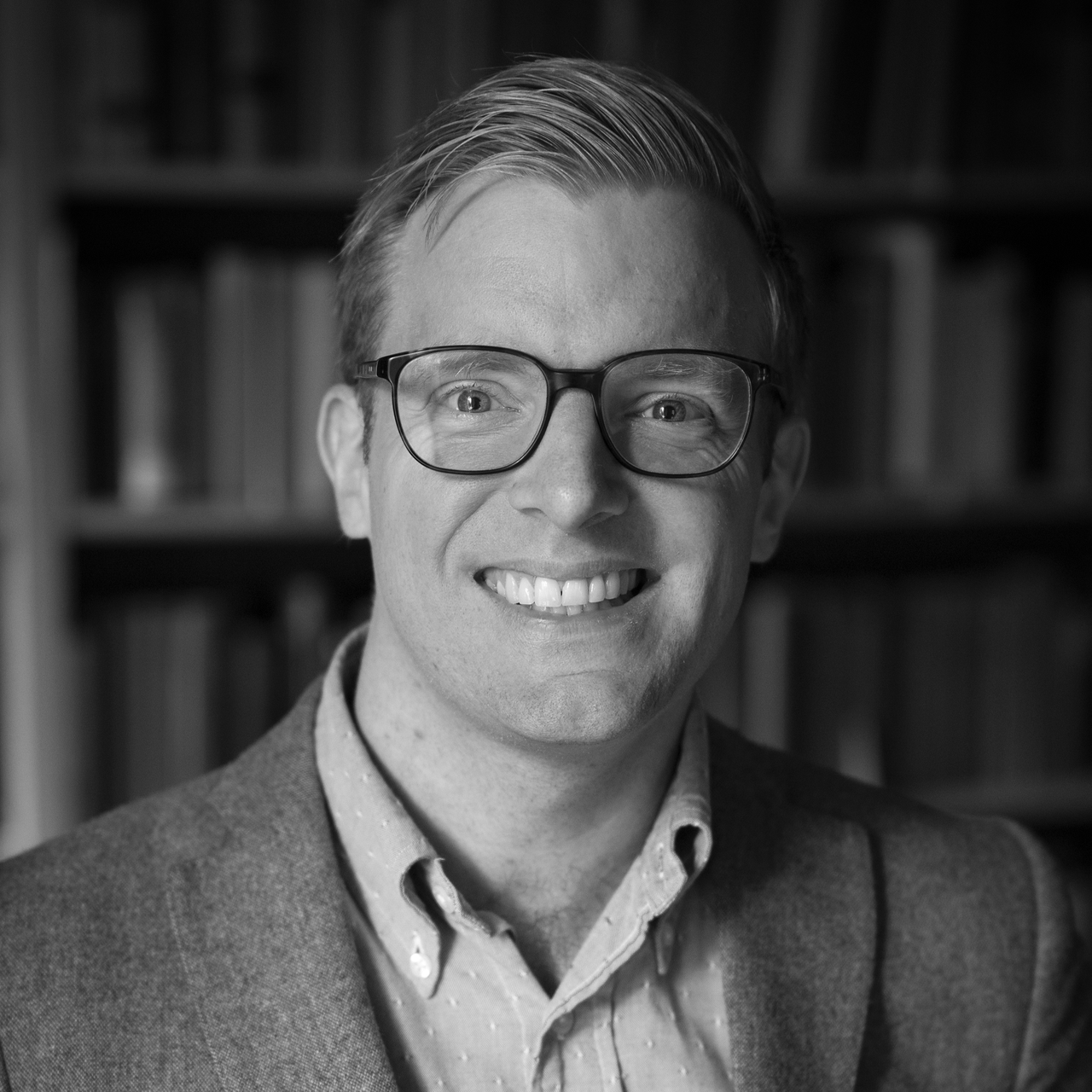
Axel Cronert is an Assistant Professor (Docent) of Political Science and an Associate Senior Lecturer at the Department of Political Science (also referred to as the Department of Government) at Uppsala University. He is also an Affiliated Researcher at the Institute for Evaluation of Labour Market and Education Policy (IFAU) and at Uppsala Immigration Lab. His academic journey includes defending his PhD thesis on active labor market policies in the EU and OECD in 2018, being appointed associate professor in 2022, and serving as an assistant senior lecturer since 2024.
Cronert specializes in comparative political economy, the migration-welfare state nexus, as well as electoral competition, coalition formation, and other aspects of representative democracy. His research portfolio demonstrates a consistent focus on understanding the political economy of welfare states, labor market policies, and electoral dynamics across advanced democracies. He has developed innovative frameworks for analyzing the versatility of policy tools, particularly in the domain of active labor market policy, which he conceptualizes as 'micro-interventionist multi-tools' that can serve diverse political purposes.
His recent publications (2023-2025) reveal a growing interest in temporal dimensions of policy-making, including inter-temporal trade-offs and future-oriented policy. He has also expanded his research to examine how organizational culture influences regulatory compliance, the political economy of pandemic responses, and the evolving nature of economic interventionism in advanced democracies. His work often combines quantitative analysis with theoretical innovation, frequently collaborating with other leading scholars in the field.
Cronert is currently leading or participating in multiple significant research projects funded by the Swedish Research Council and Forte, covering topics such as polling station lines and voter turnout, political distortions of market competition, and the role of the welfare system for sustainable working life. His research has practical implications for understanding democratic equality, electoral competitiveness, and the design of effective social policies.