معرفی
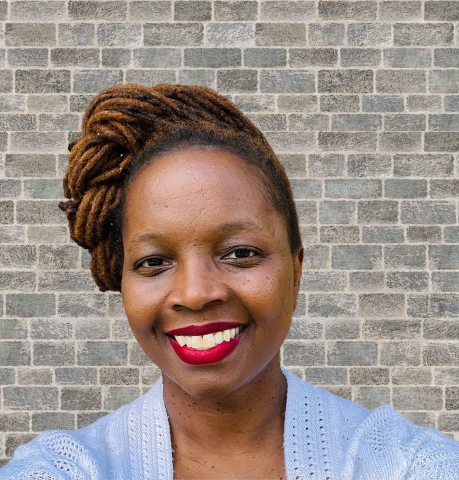
Ashleigh Greene Wade serves as Assistant Professor of Digital Studies at the University of Virginia, holding a joint appointment between the Department of Media Studies and Department of African American Studies within the College of Arts & Sciences. Her scholarly work centers on the critical intersections of Black girlhood, digital media practices, and Black Feminist epistemologies, examining how technology shapes identity formation and cultural preservation.
Her academic credentials include:
- Ph.D. in Women’s and Gender Studies from Rutgers University
- Fellowship at the Carter G. Woodson Institute for African American and African Studies
Wade's research program traverses Black girlhood studies, digital and visual media studies, Black Feminist theory, and digital humanities. She investigates how Black girls leverage digital platforms for self-documentation, community building, and resistance against systemic erasure. Her methodology emphasizes everyday digital practices as sites of agency, cultural innovation, and intergenerational knowledge transmission, revealing how social media becomes a tool for reimagining Black futures.
Analysis of her publication trajectory shows consistent engagement with Black digital cultural production across diverse platforms. From viral blackness phenomena to radical curation in art collectives, her work establishes digital spaces as critical arenas for Black girlhood development. The recurring themes of autopoetics, kinship formation, and archival practices demonstrate how Black girls actively construct counter-narratives through media production.
Her professional recognition includes:
- Carter G. Woodson Institute for African American and African Studies Fellowship
As a faculty member, Wade mentors students in digital humanities projects focused on Black feminist media analysis. While specific grant details aren't publicly enumerated, her research is institutionally supported through UVA's academic infrastructure and her Woodson Institute fellowship background. Her forthcoming monograph represents a significant scholarly contribution to the field.
No dedicated laboratory or research team structure is documented in available materials, though her collaborative work with the Art Hoe Collective indicates community-engaged research approaches.