معرفی
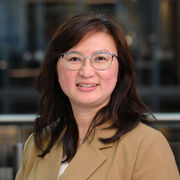
Dr. Arpita Bose is an Associate Professor of Biology at Washington University in St. Louis (WUSTL), where she leads the Bose Lab. Her research focuses on microbial metabolisms and their influence on biogeochemical cycling using an interdisciplinary approach. Dr. Bose seeks to generate new ways of addressing global challenges including the energy crisis, pollution, biofouling, and sustainability through microbial solutions. She teaches courses such as 'Fundamentals of Microbiology' and is actively involved in educational initiatives including the Bachelor of Technology in Climate Change program at Anant University.
Dr. Bose earned her PhD from the University of Illinois at Urbana-Champaign and completed postdoctoral training with Dianne Newman at Caltech. Her research program bridges fundamental microbial physiology with applied environmental solutions, particularly focusing on how microbes can be harnessed for sustainable bioproduction.
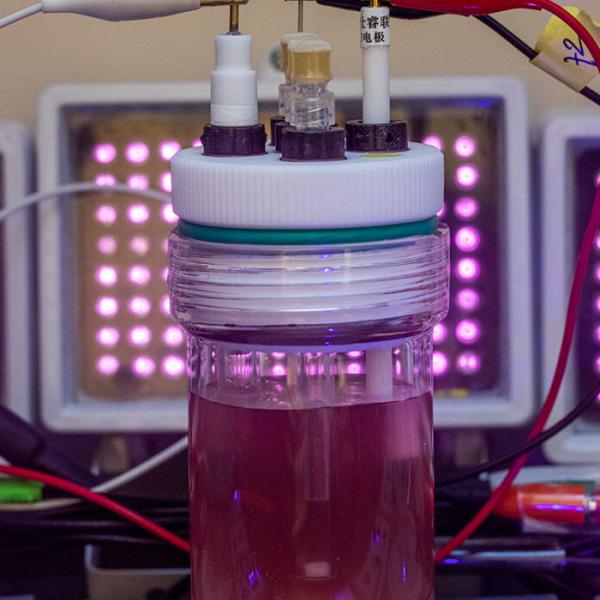
Dr. Bose's research interests center around microbial electron transfer processes, particularly photoferrotrophy and phototrophic extracellular electron uptake. Her lab studies how bacteria like Rhodopseudomonas palustris TIE-1 can utilize electricity, light, and CO2 to produce valuable products such as bioplastics and biofuels. This work combines geochemical, molecular, and '-omic' approaches to understand microbial metabolisms that could address pressing environmental challenges. The lab's research spans from fundamental microbial physiology to applied biotechnology, with a strong emphasis on sustainability and climate solutions.
The Bose Lab has published extensively on microbial electrosynthesis, bioplastic production, and the physiology of photoferrotrophic bacteria. Recent publications show a clear trend toward applying fundamental discoveries about microbial electron transfer to sustainable bioproduction, particularly for bioplastics and biofuels. The research increasingly integrates synthetic biology approaches, microfluidics, and advanced imaging to better understand and engineer microbial systems for environmental applications. There's also growing emphasis on how these microbial processes can contribute to the circular economy and climate change mitigation.
- Top Scholar by ScholarGPS (ranked #1 for Impact, #1 for Research Quality in Industrial Microbiology)
- Fulbright US Scholarship
- Anant Fellowship for Climate Action
- L'Oréal-UNESCO For Women in Science Leadership Program
- Washington University Arts & Sciences Distinguished teaching award
- Impact Award in Climate Action
- Packard Fellowship
Dr. Bose actively mentors a diverse group of students, including PhD candidates, postdoctoral researchers, undergraduates, and even high school students through programs like the Army Educational Outreach Program. Her lab has produced numerous PhD graduates who have gone on to prestigious positions in academia and industry. Dr. Bose has secured substantial funding for her research from multiple sources including the National Science Foundation, Department of Energy, Department of Defense, and private foundations. Her current grants support work on microbial electrosynthesis, bioplastic production, and the application of microbes to climate solutions.
The Bose Lab at Washington University is a vibrant research group that combines wet lab experimentation with computational approaches to study microbial metabolisms. The lab collaborates extensively with researchers at other institutions including Lawrence Livermore National Lab, Oak Ridge National Lab, and international partners through initiatives like the PurpleGain EU-COST network. Dr. Bose has also founded ClimeBiome, a climate solutions company, to translate research findings into practical applications. The lab is particularly known for its work with Rhodopseudomonas palustris TIE-1 and related bacteria that can convert CO2 and electricity into bioplastics and biofuels.