معرفی
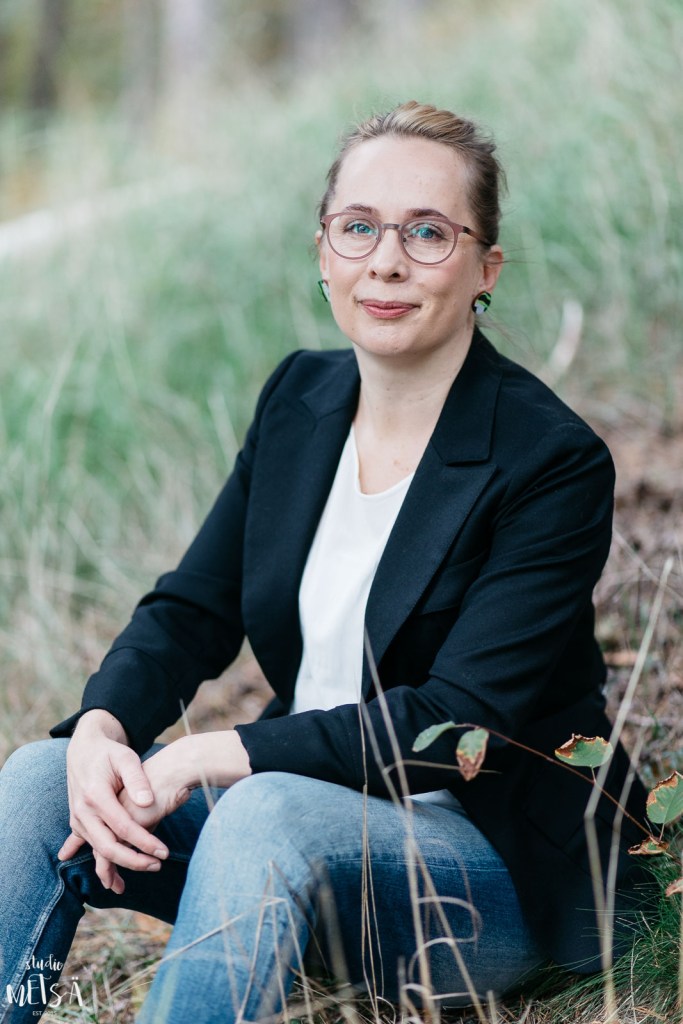
Arja Haapakorpi serves as a University Researcher at the Department of Social Studies within the Faculty of Social Sciences at the University of Tampere, holding a Doctor of Political Science and Docent title in Sociology from the University of Helsinki. She has been actively engaged in research and teaching at the university since 2019.
Her educational credentials include:
- Doctor of Political Science
- Docent in Sociology, University of Helsinki
Her research investigates expertise systems, professional work organization, evolving employment relationships including self-employment, technology's transformation of work structures, educational policy frameworks, and recruitment practices. She examines how digitalization, socioeconomic inequalities, and emergency conditions impact organizational resilience and labor markets, with particular focus on cultural and event economies during crisis periods.
Dr. Haapakorpi has held significant academic leadership positions including Chairman of the Finnish Working Life Research Association (2015-2018) and Vice Chairman (2019-2020), alongside editorial board service for the Finnish Working Life Research Journal and Nordic Journal of Working Life Studies.
She currently leads multiple major research initiatives: the Horizon-funded INCASI2 project developing new socioeconomic inequality metrics (2023-2026); European Social Fund-supported studies on emergency resilience in event and cultural economies (2021-2022); government-funded research on university change and academic work equality (2021-2024); and Occupational Safety and Health Fund projects examining recruitment expertise and diverse employment models. Her work consistently addresses societal challenges through the Working Life Research Centre and TASTI Research Centre frameworks.
Her teaching portfolio includes directing the 'Technology and Work Change' course and lecturing in the 'From Factory to Algorithms' program, while her multilingual capabilities (English, Swedish, Spanish) support international collaboration across European research networks.