معرفی
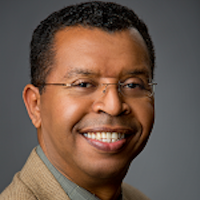
Arild Saasen is a Professor in drilling and well fluids at the Department of Energy and Petroleum Technology, Faculty of Science and Technology, University of Stavanger. He is actively engaged in research and academic activities related to petroleum engineering, particularly in drilling operations and fluid systems.
His research interests span drilling engineering, well fluids, rheology, zonal isolation, cementing, plug and abandonment, geothermal drilling, and hole cleaning. His work emphasizes experimental validation and real-world applicability, often involving flow loop tests, material characterization, and field data analysis. He investigates the behavior of both oil-based and water-based drilling fluids under high-pressure, high-temperature (HPHT) conditions, as well as the performance of novel materials like geopolymers for downhole applications.
The recent articles highlight a strong trend in magnetic ranging technology for directional drilling and geothermal applications, barite sag and cuttings transport in horizontal wells, and geopolymer-based cementing systems for improved zonal isolation and abandonment operations. His publications frequently appear in SPE, ASME, and Nordic Rheology Society venues, reflecting both industry relevance and academic rigor.
While no scientific awards are explicitly mentioned, his extensive publication record in high-impact journals such as SPE Journal, Journal of Petroleum Science and Engineering, and ASME OMAE indicates significant scholarly contribution. He has supervised or collaborated with numerous early-career researchers, suggesting an active role in mentoring. His work is supported by experimental facilities and likely industry partnerships, given the applied nature of his research.
He is involved in multiple research teams focusing on drilling fluid optimization, wellbore integrity, and advanced cementing technologies. These teams conduct laboratory experiments and field-relevant simulations to improve drilling safety, efficiency, and environmental performance.