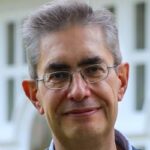
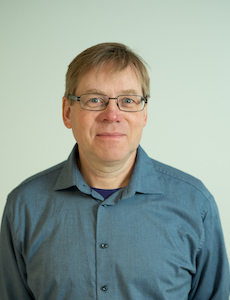
Dr Luke Garrod is a Senior Lecturer in Economics at Loughborough University's Loughborough Business School. He holds a PhD, MPhil, and BA from the University of East Anglia. His research focuses on industrial organization, competition policy, consumer policy, and behavioral economics, with a particular emphasis on modeling firm incentives in imperfectly competitive markets. He received the International Journal of Industrial Organization Best Theoretical Paper Award 2019 for his work on collusion mechanisms. His book on hub-and-spoke cartels provides critical insights into antitrust enforcement strategies. Teaching responsibilities include Principles of Microeconomics (ECA002) and Industrial Economics (ECC005). He serves as an Associate Editor for the International Journal of the Economics of Business and contributes to economic consultancy through his role at Economic Insight. His research has explored topics such as cartel damages quantification, digital market regulation, and the interplay between consumer protection and competition policies. Key awards include the 2019 Best Theoretical Paper Award, reflecting his contributions to advancing antitrust and competition policy frameworks. His work bridges theoretical economic modeling with practical regulatory applications, addressing emerging challenges in global competition dynamics and digital economy policies.
Ron H.J. Peerlings is Associate Professor in the Department of Mechanical Engineering at Eindhoven University of Technology (TU/e) , where he leads the Mechanics of Materials research group. Promoted to Associate Professor in 2007 after joining as Assistant Professor in 2000, he has built an extensive portfolio in theoretical and computational mechanics of materials. Education: PhD (1999) – Eindhoven University of Technology, thesis: Enhanced damage modelling for fracture and fatigue Post-doctoral research (1999–2000) – University of Cambridge, Engineering Department Research interests revolve around micromechanics , micro-plasticity , multiscale modelling , homogenisation , damage and fracture , and enriched continuum theories . His work spans advanced high-strength steels, composites, paper and fibrous networks, with strong emphasis on coupling rigorous theoretical developments to industrially motivated problems. His recent publications (2023-2025) demonstrate a clear trajectory towards integrating advanced experimental techniques (e.g., digital image correlation, micro-mechanical testing) with high-fidelity computational frameworks such as crystal-plasticity finite-element modelling, FFT-based solvers and micromorphic homogenisation. Dominant themes include: Deformation and fracture in lath martensite and dual-phase steels Hygro-mechanics of paper and fibrous networks Pattern-transforming mechanical metamaterials Discrete-to-continuum scale bridging methods Scientific awards are not explicitly listed in the provided material; however, his prolific output (294 research items, >6500 citations) attests to significant peer recognition. Teaching & supervision: He delivers courses on Computational Mechanics – Numerical Methods for Fluids and Solids and Fracture Mechanics – Theory and Application , and has supervised >80 student works and numerous PhD candidates whose names appear on joint publications. Laboratory & teams: He heads the Group Peerlings within the Mechanics of Materials cluster, maintaining close collaboration with the Mechanics of Materials Group Geers and extensive national/international experimental and computational networks.
Anthony Rollett is a Professor in the Department of Materials Science and Engineering at Carnegie Mellon University , where he has been a faculty member since 1995. He serves as the Principal Investigator and Co-Director of the NASA-supported Institute for Model-Based Qualification & Certification of Additive Manufacturing (IMQCAM) and co-director of the Next Manufacturing Center . Prior to CMU, he held leadership roles at Los Alamos National Laboratory (1991-1995). Education: Ph.D., Materials Engineering, Drexel University (1987) MA, Metallurgy and Materials Science, Cambridge University (1977) Research Interests: Rollett’s work focuses on microstructural evolution and microstructure-property relationships in 3D using experiments and simulations. His expertise spans additive manufacturing , metal 3D printing , materials for energy systems , grain growth , recrystallization , and stereology , with techniques like high-energy diffraction microscopy (HEDM) and dynamic x-ray radiography (DXR) . Scientific Contributions: He has over 320 peer-reviewed publications and an h-index >80 . His recent articles highlight machine learning for laser processing , fatigue analysis of additively manufactured alloys, and design optimization for heat exchangers in supercritical CO2 and solar thermal applications . Scientific Awards: Fellow of ASM International (1996) Fellow of the Institute of Physics (UK) (2004) Fellow of The Minerals, Metals & Materials Society (TMS) (2011) Cyril Stanley Smith Award (TMS, 2014) Member of Honor, French Metallurgical Society (2015) US Steel Professor (2017) Francqui International Professor (2020-2021) International FAME Award (2023) Leadership & Impact: Rollett co-led the development of a NASA Space Technology Research Institute for additive manufacturing and established a new master’s program in additive manufacturing (2018). His research group is funded by industry , federal agencies , and Pennsylvania state grants . He also serves on the Basic Energy Science Advisory Committee and Defense Programs Advisory Committee for the Department of Energy.
Prof. Waldemar Kolanus leads the Molecular Immunology and Cell Biology department at the University of Bonn's Life & Medical Sciences Institute (LIMES) . His research bridges immunoregulation , stem cell dynamics , and metabolic stress responses in immune cells. Unit 2 member at LIMES Principal investigator in SFB 704 and ImmunoSensation Cluster Leads a multidisciplinary lab with postdocs, PhD students, and technical staff His work focuses on intracellular signaling pathways connecting immune activation to tissue homeostasis, particularly through: Cytohesin proteins in integrin-mediated adhesion and migration TRIM71 in stem cell regulation and congenital hydrocephalus High-salt environments affecting macrophage function Publication trends show expertise in immune cell migration , genetic models , and chemical inhibition , with frequent use of mice and zebrafish for in vivo studies. Key articles explore: TRIM71's dual role in auditory development and germ cell maintenance Cytohesin family's Golgi regulation and insulin signaling Ruxolitinib's off-target migration inhibition of dendritic cells Contact details: Address: LIMES Institute, Carl-Troll-Straße 31, Bonn Email: kolanus.sekretariat@uni-bonn.de Phone: +49 228 73-62788
Chao Liu is an Associate Professor at the Department of Biomedical Engineering , Southern University of Science and Technology (2024.11–present). Previously, he served as an Assistant Professor at the same institution (2019–2024.11) and completed a Postdoctoral Fellowship at New York University (2016–2019) with joint appointments in the Department of Biomedical Engineering and Orthopedics at NYU Langone Health . He holds a PhD in Biomedical Engineering (2016) and MASc in Mechanical Engineering (2010) from University of Toronto , following a BASc in Engineering Science (2008). Education : PhD (IBBME, U of Toronto, 2016), MASc (Mechanical Engineering, U of Toronto, 2010), BASc (Engineering Science, U of Toronto, 2008) His research focuses on mechanobiology of stem cells , bone tissue engineering , and functional implants . He investigates how mechanical forces modulate osteogenic and angiogenic stem cells, designs implants with micro-geometry to enhance cellular activity, and develops 3D real-time imaging modalities for bone repair processes. His work spans biomechanics , regenerative medicine , and cellular mechanotransduction . The selected publications from 2022 to 2010 reveal trends in mechanical force applications for bone regeneration, pharmacological impairments in healing, nanostructured biomaterials for stem cell differentiation, and microfluidic platforms for osteocyte studies. These works are published in journals like Bone , FASEB Journal , and ACS Applied Materials & Interfaces . Scientific Awards : International Conference BME Young Investigator Award (2019), IFMRS Travel Grant (2017), ASBMR Young Investigator Grant (2016), CIHR Travel Awards (2010–2014), Ontario Graduate Scholarship (2011–2013), Barbara and Frank Milligan Fellowship (2008, 2010) Chao Liu mentors graduate students, including Zhang Jianing (2022 Master’s graduate). His lab ( https://abtrl.bme.sustech.edu.cn/ ) recruits postdocs and research assistants for projects in mechanical force applications , micro-geometric implants , and 3D imaging . He has contributed to 14 journal articles with 714 citations and presented at 6 international conferences in the past three years.
Dr. Jose Perdomo is a Research Fellow at the Central Clinical School, Sydney Medical School, within the Faculty of Medicine and Health at the University of Sydney. He is based at the Charles Perkins Centre, where his research focuses on endothelial damage, immune complex-driven thrombosis, and platelet formation mechanisms. His work employs techniques such as flow cytometry, microfluidics, and intravital microscopy. Dr. Perdomo holds a PhD from the University of Sydney’s School of Molecular and Microbial Biosciences and received a Vice-Chancellor’s Fellowship. His research has led to two international patents and recognition, including 1st prize in the 2020 China Shenzhen Innovation Competition. His studies explore targeted inhibitors to prevent immune complex formation and thrombosis, with applications in cardiovascular health. His research interests include the interplay between white blood cells, endothelial cells, and platelets, with a focus on desialylation, apoptosis, and NETosis in immune thrombocytopenia. He has contributed to understanding vaccine-induced immune thrombocytopenia and thrombotic complications post-myocardial infarction. His findings have been featured in Nature Communications , Blood Advances , and other high-impact journals. Awards: 1st prize in China Shenzhen Innovation Competition (2020). Labs/Teams: Charles Perkins Centre, University of Sydney. Grants: Vice-Chancellor’s Fellowship (University of Sydney). Media Contributions: Insights into AstraZeneca vaccine-related blood clots featured in The Guardian , SMH , and ABC News.
Assoc Prof Ng Teng Yong is an Associate Professor at the School of Mechanical & Aerospace Engineering (NTU), specializing in numerical modeling and simulation. With a background as Research Manager at A*STAR Institute of High Performance Computing, his work spans materials science, nanotechnology, and aerospace engineering. Current focus on graphene-based desalination membranes Expertise in molecular dynamics simulations Investigates nanoscale fluid mechanics and structural dynamics Recent publications highlight advancements in energy-efficient electrodialysis, smart robotics, and nonlinear vibration analysis. His interdisciplinary approach integrates computational methods with experimental validation in additive manufacturing and soft material mechanics.
John Ford is an Associate Professor in the Department of Nuclear Engineering at Texas A&M University. His research focuses on radiobiology, radiation carcinogenesis, and medical applications of radiation. He holds academic appointments within the College of Engineering and contributes to the Health Physics, Radiation Biology & Medical Physics research group. Education includes a B.S. and M.S. in Nuclear Engineering from Mississippi State University (1982, 1986), a Ph.D. in Biomedical Sciences from the University of Tennessee (1992), and postdoctoral training at Oak Ridge National Laboratory (1992–1993). His work emphasizes understanding radiation effects on biological systems, with notable contributions to radiation dosimetry, bystander signaling mechanisms, and dietary modulation of radiation damage. Recent studies explore space radiation monitoring technologies and therapeutic applications of radiation. Awards include the BP Award for Teaching Excellence (2007) and ARRO Educator of the Year (2013–2014). Research spans interdisciplinary areas such as radiation-induced cancer mechanisms, nutritional interventions to mitigate radiation effects, and advanced radiation detection instrumentation. He has advised numerous projects in radiation safety curriculum development and collaborated on NASA-funded studies modeling radiation impacts on astronauts.
Dane Morgan is a Professor in the Department of Materials Science & Engineering at the University of Wisconsin-Madison, College of Engineering. His research focuses on computational materials science for materials design, including ab initio electronic structure modeling, multiscale methods, and machine learning applications in materials discovery. His work spans nuclear materials, battery and fuel cell electrodes, and electronic materials. Education : PhD, 1998, University of California, Berkeley MS, 1994, University of California, Berkeley BA, 1992, Swarthmore College Research Interests : Computational materials science, ab initio methods for electronic structure and thermokinetics, machine learning for materials discovery, electrochemical systems modeling, and applications in nuclear materials, batteries, and electronic materials. His work integrates advanced computational techniques with experimental validation. Scientific Awards : 2024 APL Materials, Editors Pick 2023 Microscopy and Microanalysis Best Paper Award (Instrumentation and Software category) 2023 IEEE Transactions on Plasma Science Best Paper Award 2023 Kellet Mid-Career Award 2015 TMS Materials Genome Initiative Ambassador 2006 3M Technical Nontenured Faculty Grant
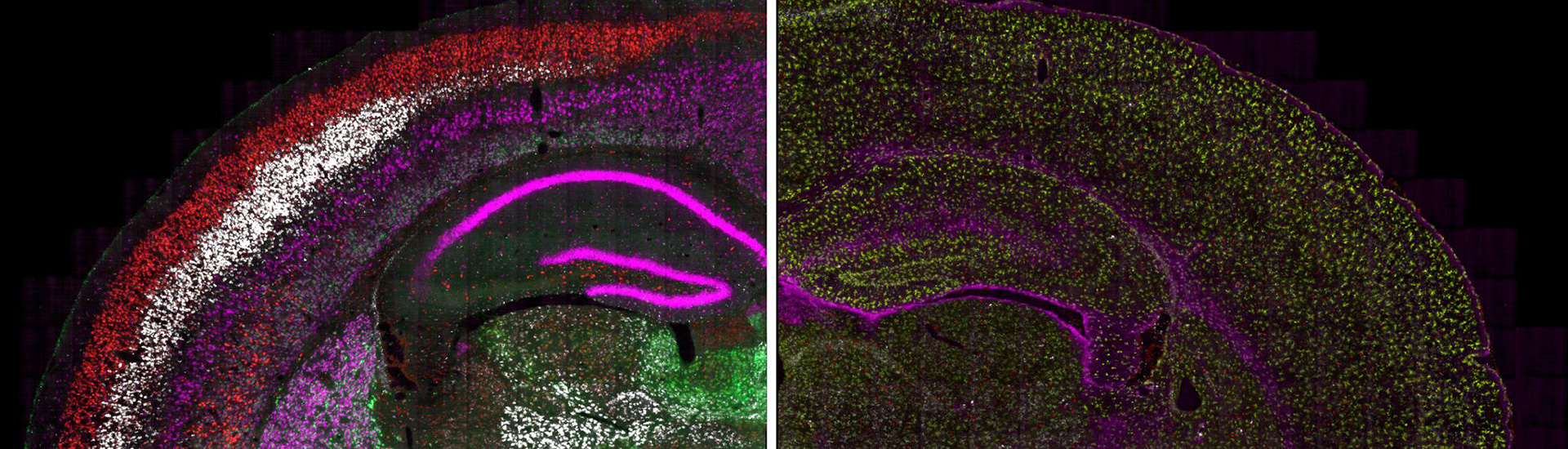
Omer Bayraktar is a Group Leader at the Wellcome Sanger Institute , leading research in the Cellular Genomics Programme. His work focuses on decoding human brain cellular diversity using spatial transcriptomics , imaging , and functional screening to study neural complexity in health and disease. Bayraktar's educational background includes a PhD from HHMI under Chris Doe, investigating neural diversity development in Drosophila , followed by postdoctoral work at University of California, San Francisco and University of Cambridge as a Life Sciences Research Foundation Fellow. He developed a spatial transcriptomic pipeline during his postdoc to analyze astrocyte heterogeneity in the cerebral cortex. His research explores neural cell type mapping , glial-neuronal interactions , and cellular pathways in neurodevelopmental disorders . Recent publications emphasize 3D tissue mapping , multi-omic integration , and computational tools like Cell2fate and WebAtlas. His work bridges neurogenetics and computational biology to advance understanding of human tissue ecosystems. Bayraktar's lab collaborates with the Human Cell Atlas initiative and develops technologies such as automated histology pipelines and highly-multiplexed smFISH for molecular cell typing. His team also investigates glia-based therapies and astrocyte functional heterogeneity in neurodevelopmental contexts. Key scientific contributions include: Discovering astrocyte layer patterns independent of neuronal laminae Developing cell2location for spatial cell mapping Characterizing Drosophila neural stem cell models with human relevance Notable awards include the Life Sciences Research Foundation Fellowship during his postdoctoral training. His current group includes a PhD student , Senior Data Scientists , and Bioinformaticians .
Dr. Amir Hakami is a Professor in the Department of Civil & Environmental Engineering at Carleton University , where he leads the Carleton Atmospheric Modelling Group . His research focuses on advanced air quality modeling techniques to inform environmental policy. Degrees: B.Sc. (Polytechnic of Tehran), M.Sc., Ph.D. (Georgia Tech), Postdoc (Caltech) Contact: Office 3454 Mackenzie Building, Phone: 613-520-2600 ext. 8609, Email: amir.hakami@carleton.ca Research Interests: Air quality modeling at multiple spatial scales Adjoint sensitivity analysis for atmospheric response Inverse modeling and data assimilation techniques Uncertainty quantification in environmental systems Interdisciplinary applications in policy, public health, and economics Teaching: Courses include Environmental Engineering Systems Modeling , Contaminant Transport , and Air Pollution & Emissions Control at undergraduate and graduate levels. Research Group: The group includes Ph.D. candidates, postdoctoral fellows, and alumni working on topics ranging from atmospheric chemistry to sustainable energy systems. Members come from diverse backgrounds in engineering, science, and policy disciplines.
Professor Emilio Artacho is a faculty member in the Department of Physics at the University of Cambridge, based at the Cavendish Laboratory. He transitioned from the Department of Earth Sciences in 2011, where he was granted a Professorship in 2006. His research focuses on computational simulations of non-equilibrium processes in condensed matter, particularly using first-principles molecular dynamics and density-functional theory. He co-developed the SIESTA program for linear-scaling electronic structure calculations, widely utilized in computational materials science. Artacho’s work spans far-from-equilibrium phenomena in irradiated matter, multiferroics, nanoconfined water systems, and surface chemistry. His contributions include studies of electronic stopping power in materials, 2D electron gas formation at ferroelectric interfaces, and the structural dynamics of water under confinement. His academic roles include adjunct positions at Ikerbasque (Nanogune, Spain) and visiting professorships at institutions like the University of California, Berkeley, and École Normale Supérieure de Lyon. Research interests are anchored in theoretical condensed matter physics, with applications to nanomaterials, radiation effects, and interfacial phenomena. His computational methods bridge quantum mechanics and classical dynamics, enabling insights into complex systems like proton-irradiated solar cells and confined water films.
Peter Wilf is a Professor in the Department of Geosciences at Pennsylvania State University's College of Earth & Mineral Sciences. His research focuses on fossil plants as indicators of past climates, biodiversity, and environmental disturbances from the latest Cretaceous through middle Eocene (~67-45 million years ago). Wilf leads significant research projects including the Origins of Southeast Asian Rainforests from Paleobotany and Machine Learning and the Patagonia Paleofloras Project. His research interests span paleobotany, paleoclimatology, plant-insect interactions, and biogeography, with emphasis on how deep-time data illuminate modern ecosystems and their responses to anthropogenic change. Wilf's work primarily focuses on the latest Cretaceous through middle Eocene, examining global disturbances including warming and cooling events, the end-Cretaceous mass extinction, and recovery periods. His research has significant implications for understanding climate change, biodiversity conservation, and ecosystem dynamics. Wilf's extensive publication record demonstrates consistent high-impact research across paleobotany, with recent work focusing on Southeast Asian rainforests, Patagonian paleofloras, and the connections between Gondwanan landmasses. His research integrates fieldwork in Patagonia and Southeast Asia with advanced analytical techniques, including machine learning applications for fossil leaf identification. Fellow, American Association for the Advancement of Science (AAAS) 2022 Wilson Award for Excellence in Research, Penn State College of Earth & Mineral Sciences 2022 Fellow, Paleontological Society 2017 Fellow, Geological Society of America 2016 Paul F. Robertson Research Breakthrough of the Year Award, Penn State College of Earth & Mineral Sciences 2016 George W. Atherton Award for Excellence in Teaching, Pennsylvania State University 2013 Wilf maintains an active research program with numerous NSF-funded projects and international collaborations. He leads a productive lab group conducting extensive fieldwork in Patagonia, Argentina, and Southeast Asia. His research has transformed understanding of Southern Hemisphere floras, the role of Patagonia in plant evolution, and connections between ancient and modern ecosystems across continents. Wilf's laboratory serves as a hub for paleobotanical research, bringing together students, postdocs, and international collaborators to study fossil plant collections from around the world. The lab integrates traditional paleobotanical methods with cutting-edge technologies including machine learning for fossil identification and advanced imaging techniques for detailed morphological analysis.
Ares J. Rosakis is the Theodore von Kármán Professor of Aeronautics and Mechanical Engineering at the California Institute of Technology (Caltech), where he served as Chair of the Division of Engineering and Applied Science from 2009-2015 and previously as Director of the Graduate Aerospace Laboratories (GALCIT). He has held numerous prestigious visiting professorships including at Nanyang Technological University, Northwestern University, Columbia University, Oxford University, and École Normale Supérieure in Paris. Rosakis earned his B.A. and M.A. in Engineering Science from Oxford University in 1978, followed by his Sc.M. (1980) and Ph.D. (1982) in Engineering (Solid Mechanics) from Brown University. He joined Caltech as an Assistant Professor in 1982, was promoted to Associate Professor in 1988, and to full Professor in 1993. In 2004, he was named the Theodore von Kármán Professor, one of Caltech's most distinguished named chairs. Rosakis is globally recognized as the foremost expert in dynamic failure mechanics of solid materials. His pioneering contributions span the dynamic failure of metals, composites, and interfaces. He invented Coherent Gradient Sensing (CGS) interferometry, a novel optical method sensitive to gradients of optical path differences that has been widely adopted in fracture mechanics and thin film stress measurements. His research encompasses dynamic shear-dominated rupture of heterogeneous materials, rupture mechanics of crustal earthquakes (where he experimentally discovered 'intersonic' or 'supershear' ruptures), and reliability of thin films and in-situ wafer level metrology. His work bridges engineering science, materials mechanics, and geophysics with remarkable interdisciplinary impact. His recent publications demonstrate a strong focus on earthquake mechanics and laboratory simulations of seismic events, particularly supershear earthquake ruptures. The research connects fundamental fracture mechanics with real-world geophysical phenomena, revealing how laboratory-scale experiments can illuminate the physics of large-scale earthquakes. His work has established critical links between theoretical models, experimental observations, and geological field evidence. Rosakis has received numerous prestigious awards including: 2024 Foreign Member of the Royal Society, UK 2023 Honorary PhD from National Technical University of Athens 2023 Honorary Degree of Doctor of Engineering from University of Illinois 2021 Zdeněk P. Bažant Medal for Failure and Damage Prevention 2018 Timoshenko Medal from ASME 2016 Elected to the National Academy of Sciences 2011 Elected to the National Academy of Engineering Throughout his distinguished career at Caltech, Rosakis has mentored numerous graduate students and postdoctoral researchers, many of whom have become leaders in their fields. His research has been continuously supported by major grants from the National Science Foundation, Department of Energy, and other federal agencies, focusing on dynamic fracture, earthquake mechanics, and advanced optical measurement techniques. He has served on numerous editorial boards and advisory committees for major scientific organizations. At Caltech, Rosakis leads research in the Graduate Aerospace Laboratories (GALCIT), where he has established world-class experimental facilities for studying dynamic fracture and earthquake mechanics. His laboratory features high-speed imaging systems capable of millions of frames per second, infrared diagnostics for temperature field measurements, and specialized equipment for simulating earthquake ruptures at laboratory scale. His research group combines experimental, theoretical, and computational approaches to address fundamental questions in solid mechanics and their applications to geophysics and materials engineering.
Jens S. Andersen is a Professor in the Department of Biochemistry and Molecular Biology at the University of Southern Denmark, where he leads research in Biomedical Mass Spectrometry and Systems Biology. His work is centered on the development and application of quantitative mass spectrometry and microscopy-based proteomics to study human cell biology, particularly the structure and function of organelles such as centrosomes, cilia, autophagosomes, and mitochondria. His research focuses on determining the protein composition and dynamic properties of cellular organelles, the roles of specific protein groups, and their contributions to biological processes and diseases. He investigates cell signaling mediated by post-translational modifications, especially within the DNA damage response, autophagy, and immune systems. His lab, the Jens S. Andersen Lab, is part of the Research Section of Biomedical Mass Spectrometry. The analysis of his recent publications reveals a strong interdisciplinary trend combining proteomics, structural biology, and cell signaling. His work spans cilia biology, RNA metabolism, DNA repair, and cancer mechanisms, with frequent use of advanced techniques like mass spectrometry, CRISPR, and live-cell imaging. The integration of systems biology approaches is evident across his research outputs. Professor, Department of Biochemistry and Molecular Biology, University of Southern Denmark Head of Research, Biomedical Mass Spectrometry and Systems Biology Principal Investigator, Jens S. Andersen Lab ORCID: 0000-0002-6091-140X While no specific scientific awards are mentioned in the provided texts, his extensive publication record in high-impact journals such as Science , Nature Communications , Molecular Cell , and EMBO Journal reflects significant scholarly contributions. He has supervised research projects and collaborated widely across Europe, though specific names of students are not listed. His research is supported by multiple ongoing projects, reflecting sustained funding and academic leadership. The Jens S. Andersen Lab operates at the intersection of proteomics and cell biology, contributing to fundamental understanding of organelle dynamics and disease mechanisms. The lab's work is highly collaborative, involving partnerships with groups in structural biology, RNA research, and cancer biology.