معرفی
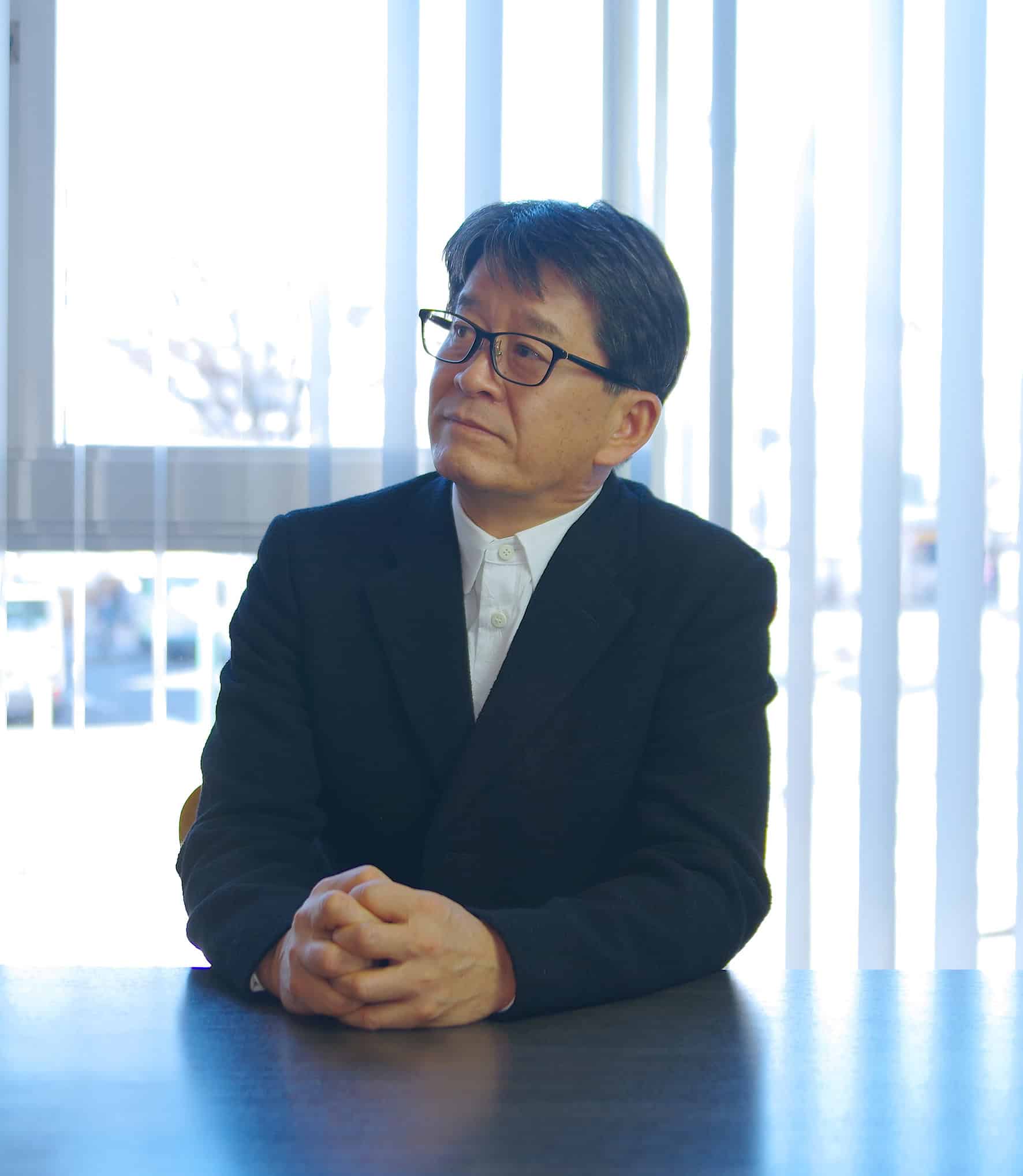
Ariel Genadt is a Lecturer in Architecture at the Stuart Weitzman School of Design, University of Pennsylvania. His work bridges research, teaching, and practice, focusing on modern and contemporary Japanese architecture, architectural resilience, and the intersection of technology, sustainability, and cultural expression. He holds a PhD in Architecture from the University of Pennsylvania (2016), with certificates in Ecological Architecture and University Teaching, alongside degrees from the Architectural Association (London) and Technion (Israel).
- Education:
- PhD in Architecture, University of Pennsylvania (2016)
- Master of Arts in Histories and Theories, Architectural Association, London (2004)
- Bachelor of Architecture, Technion, Israel (1997, cum laude)
- Research Interests:
- Japanese architectural history and practice
- Sustainable and resilient design
- Material innovation and tectonic expression
- Cultural preservation and reinterpretation
Genadt's publications and exhibitions explore themes like architectural resilience in Japan, material assemblies, and cultural narratives in urban spaces. His curatorial work includes the Critical Abstractions: Modern Architecture in Japan exhibition (2018) and the 50 Years in Books by Penn Architecture PhDs database (2016). He has practiced globally, collaborating on projects in France, Israel, China, and beyond, and has taught at institutions including Swarthmore College and the Technion.
His teaching spans courses on architectural theory, climate-responsive design, and Japanese modern architecture. Notable courses include ARCH 7120: Architectural Envelopes and ARCH 7110: Modern Architecture in Japan. He has advised the Master of Architecture thesis program and led design-build workshops at Tokyo University.
Genadt’s professional affiliations include roles as a Fellow Researcher at the Japan Society for the Promotion of Science (Kengo Kuma Lab, 2012) and a visiting scholar at Fondazione Renzo Piano (2013). His work emphasizes cross-cultural dialogue and the role of architecture in addressing environmental and social challenges.