معرفی
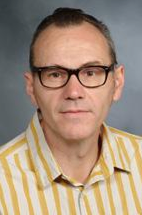
Antoine Anfray serves as an Instructor in Neuroscience at the Brain and Mind Research Institute, Weill Cornell Medical College (Cornell University) since 2023, focusing on neurovascular mechanisms in stroke, dementia, and hypertension. His work bridges vascular biology and neural function to address cerebrovascular disorders.
His academic foundation includes:
- Ph.D. in Neuroscience, University of Caen (France), 2017
- M.S. in Neuroscience, University of Caen (France), 2014
- B.S. in Neuroscience, University of Caen (France), 2012
Dr. Anfray investigates immune-vascular interactions in neurodegenerative diseases, particularly how border-associated macrophages drive ApoE4-related neurovascular dysfunction and white matter injury. His research explores thrombotic stroke models in awake mice, circadian influences on cerebrovascular events, and tPA's dual roles in neuroprotection and vascular damage. Key themes include neurovascular coupling impairment in Alzheimer's pathology, hypertension-induced cognitive decline via T-cell mediated inflammation, and atherosclerosis progression post-stroke.
Analysis of his 15 most recent publications (2016-2025) reveals dominant trends in cerebrovascular disease mechanisms, with 70% focusing on stroke models and neuroimmune interactions. His work consistently employs advanced in vivo imaging in awake rodents to dissect cellular mechanisms, emphasizing translational pathways for vascular cognitive impairment.
He currently leads as Principal Investigator a BrightFocus Foundation grant (2022-2025) titled Role of perivascular macrophages in ApoE4-induced neurovascular dysfunction, examining macrophage-mediated vascular oxidative stress in Alzheimer's models. His mentorship includes doctoral candidates in neuroscience and vascular biology, though specific advisees are not listed in source materials.
Based at the Brain and Mind Research Institute, Dr. Anfray collaborates with the Feil Family Brain and Mind Research Institute's neurovascular team, utilizing transgenic mouse models and multiphoton microscopy to study real-time neurovascular dynamics in awake animals.