معرفی
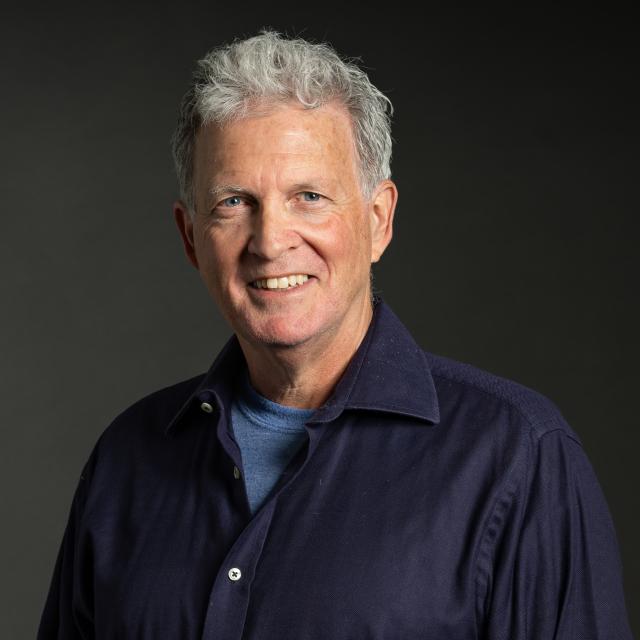
Anthony Galt Greenwald is a prominent social psychologist and Professor of Psychology at the University of Washington, where he has been on faculty since 1986. He received his B.A. from Yale University in 1959, followed by an M.A. (1961) and Ph.D. (1963) from Harvard University. After completing his doctoral studies, he held a postdoctoral fellowship at the Educational Testing Service from 1963 to 1965.
Greenwald is best known for developing the Implicit Association Test (IAT), a revolutionary method for measuring unconscious biases and implicit attitudes. His research has fundamentally changed how psychologists understand the relationship between conscious and unconscious cognition, particularly in the areas of prejudice, stereotypes, and self-esteem. He co-founded Project Implicit in 1998, a non-profit organization dedicated to research and education about implicit social cognition that has collected data from millions of participants worldwide.
His work demonstrates that people can hold implicit biases that operate outside of conscious awareness or control, challenging traditional views of prejudice. This finding has significant implications for understanding discrimination across numerous domains including healthcare, education, legal contexts, and organizational settings. Greenwald's publications show a consistent focus on methodological rigor, with recent work addressing statistical practices, data transparency, and practical applications of implicit bias research.
Greenwald's most influential publications include 'Measuring individual differences in implicit cognition: the implicit association test' (1998), 'Implicit social cognition: attitudes, self-esteem, and stereotypes' (1995), and the popular book 'Blindspot: Hidden Biases of Good People' (2013) co-authored with Mahzarin Banaji. His ongoing research continues to refine implicit bias measurement techniques and explore potential remedies for implicit bias.
Greenwald has received numerous accolades for his work, including the Distinguished Scientific Contribution Award from the American Psychological Association. His research has been cited tens of thousands of times, making him one of the most influential psychologists of his generation. He remains active in research and continues to mentor students at the University of Washington.