معرفی
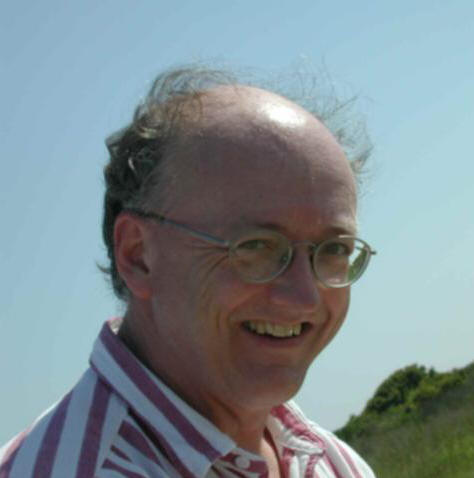
Anthony G. Moss is an Associate Professor in the Department of Biological Sciences at Auburn University, where he also serves as the Marine Program Coordinator. He is affiliated with the College of Sciences and Mathematics and leads an active research laboratory focused on marine invertebrates, particularly ctenophores and marine microbes.
- Department: Department of Biological Sciences
- Role: Associate Professor and Marine Program Coordinator
- Institution: Auburn University
- Education: Ph.D. from Boston University Marine Program, B.A. from Johns Hopkins University
Dr. Moss's research interests span cell and molecular biology, marine microbial biology, wound healing, and the biology of gelatinous planktonic animals. His lab investigates the physiology, behavior, and microbial associations of ctenophores, with a focus on species like Mnemiopsis leidyi and Mnemiopsis mccradyi. Research includes studies on ciliary comb plates, neurophysiology, parasitic protists, and marine microbial ecology.
His recent publications highlight work on oil spill impacts on microbial food webs, bacterial associates of corals, ctenophore genomics, and ciliary function. These studies reflect a strong interdisciplinary approach combining molecular biology, ecology, and physiology in marine systems.
- NSF GK-12 Fellowship (awarded to student Erin Dodson)
- Graduate School Research Fellowship (awarded to student Matt Dodson)
- Fund for Excellence Fellowship (awarded to student Kinley Beck)
- Senior MBL Summer Fellowship
Dr. Moss mentors graduate students such as Shilpa Waduwawara and Jeff Daniel, and has been involved in numerous conferences and workshops, including those funded by the National Science Foundation. He teaches courses in Introductory Biology, Cell Biology, and Advanced Cell Biology, and is active in the CMB (Cell and Molecular Biosciences) program. His lab also engages in public outreach, including science cafes on topics like microbes, jellies, and global warming.
The Moss Lab maintains active research in field and laboratory settings, with protocols for collecting ctenophores, studying marine microbes, and analyzing ciliary structures. Collaborations include researchers such as Andrew Rogerson and Rebecca Gast, and the lab has participated in international meetings and research initiatives.