معرفی
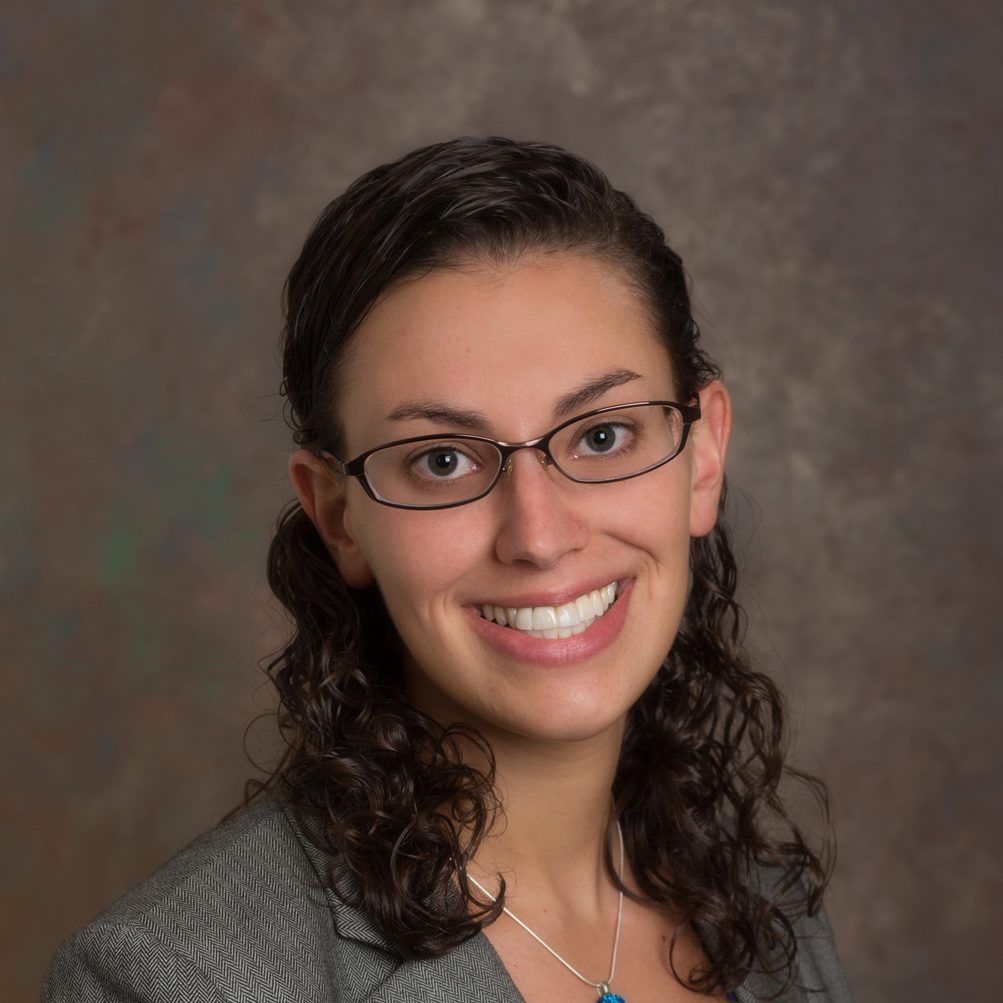
Anne Silverman is an Associate Professor in the Department of Mechanical Engineering at Colorado School of Mines, where she directs the Functional Biomechanics Laboratory. Her research integrates experimental movement analysis with computational modeling to investigate musculoskeletal biomechanics and movement coordination across diverse populations including military personnel, individuals with lower-limb amputations, and older adults.
She earned her B.S.E. from Arizona State University and M.S.E. and Ph.D. from The University of Texas at Austin, all in Mechanical Engineering. Her educational background provided the foundation for her current work at the intersection of engineering and human movement science.
Dr. Silverman's research focuses on musculoskeletal biomechanics, prosthetic device function, and dynamic balance regulation. Her laboratory investigates muscular compensations during prosthetic use, balance mechanisms during dynamic tasks, and musculoskeletal modeling for treatment optimization. Recent work examines relationships between whole-body movement and long-term secondary conditions, with particular emphasis on aging populations and amputee mobility.
Analysis of her publication record reveals consistent focus on prosthetic biomechanics, load carriage effects, and age-related movement changes. Her work demonstrates methodological expertise in combining experimental motion capture with computational modeling to address clinically relevant questions in rehabilitation engineering.
- Fellow of the American Society of Mechanical Engineers (ASME)
- Associate Editor for Gait & Posture
- Research funded by National Institutes of Health (NIH) and Department of Defense (DoD)
As director of the Functional Biomechanics Laboratory, she leads research using motion capture systems, force plates, and computational modeling to evaluate muscle action and joint loading during movement. Her team develops interventions to prevent injury and improve mobility, with particular focus on translating biomechanical findings into practical clinical applications for diverse populations including military service members and older adults.