معرفی
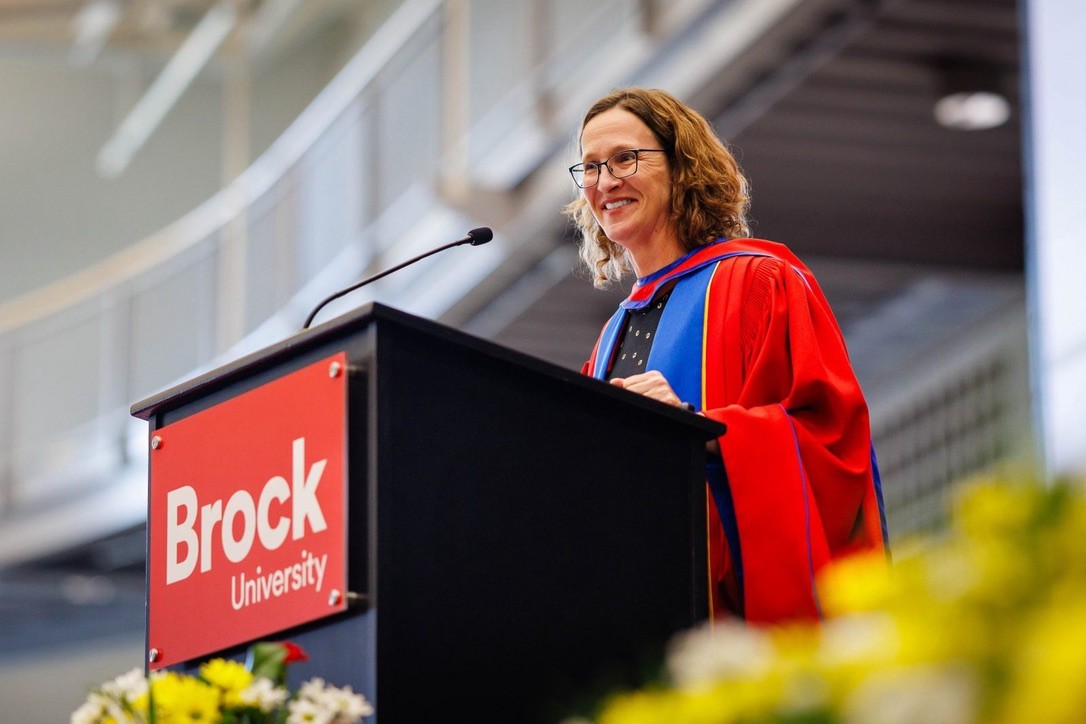
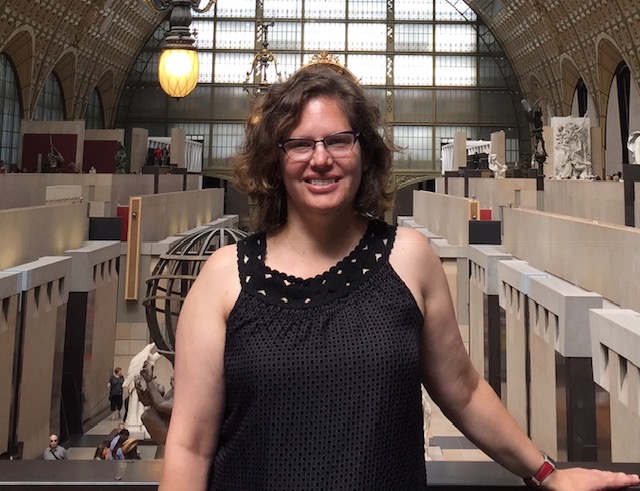
Anne Myers serves as Associate Professor in the College of Arts and Science at the University of Missouri, specializing in Renaissance English literature with concentrated expertise in seventeenth-century intersections of literature, architecture, history, and religion. Her influential monograph Literature and Architecture in Early Modern England (2013) established foundational frameworks for analyzing built environments in texts by Camden, Jonson, Herbert, and Clifford, while her ongoing book project investigates "monument" as dual concept encompassing physical structures and textual artifacts.
Her academic formation includes:
- B.A. from Pomona College (1994)
- Ph.D. from University of California, Los Angeles (2005)
Myers' research interrogates post-Reformation ecclesiology, antiquarian practices, and local history through architectural metaphors and spatial theory. She examines how religious texts engage with physical spaces, how diaries document construction projects, and how country house writings negotiate power through architectural patronage—revealing literature's capacity to shape historical memory through monumental forms.
Her publications demonstrate consistent interdisciplinary engagement across seven scholarly articles since 2006, evolving from foundational analyses of Anne Clifford's diaries toward broader explorations of ecclesiology in Browne's works and Shakespearean spatial dynamics. This trajectory highlights increasing methodological sophistication in connecting textual analysis with architectural history, religious studies, and material culture.
Her scholarly excellence has earned significant recognition:
- Winner of ELR's Best Article award (2010) for Restoring 'The Church-porch': George Herbert's Architectural Style
- Honorable Mention from Society for Study of Early Modern Women (2006) for Construction Sites: The Architecture of Anne Clifford's Diaries
Supported by the College of Arts and Science Mid-Career Writing Group and Provost's Mid-Career Research Fellows Program, Myers mentors graduate students in Renaissance literature while maintaining active research collaborations with architectural historians. Her teaching portfolio spans Shakespeare, Milton, and seventeenth-century religious poetry, reflecting deep integration of research and pedagogy.
No dedicated research laboratories or large-scale collaborative teams are documented in her current scholarly profile, though her work inherently bridges literary studies, architectural history, and religious studies through cross-disciplinary methodologies.