معرفی
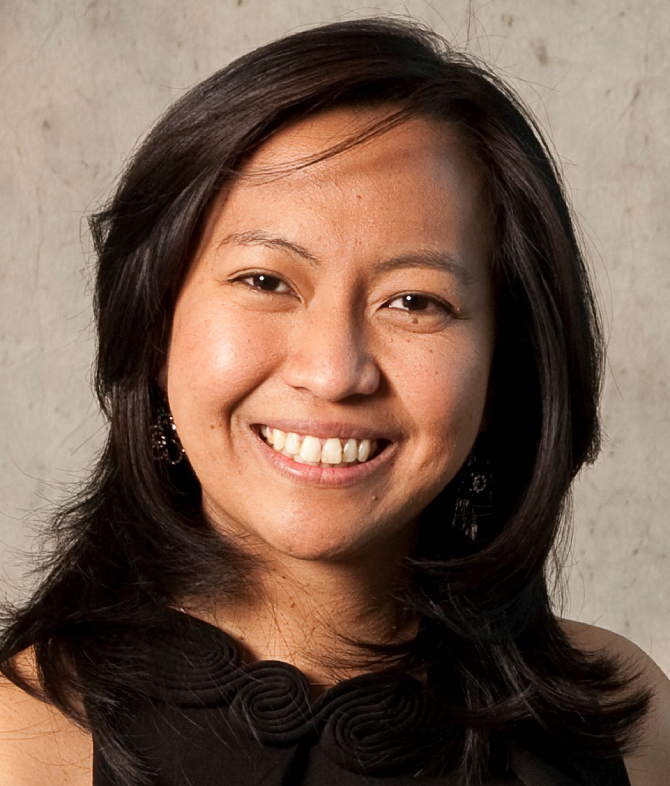
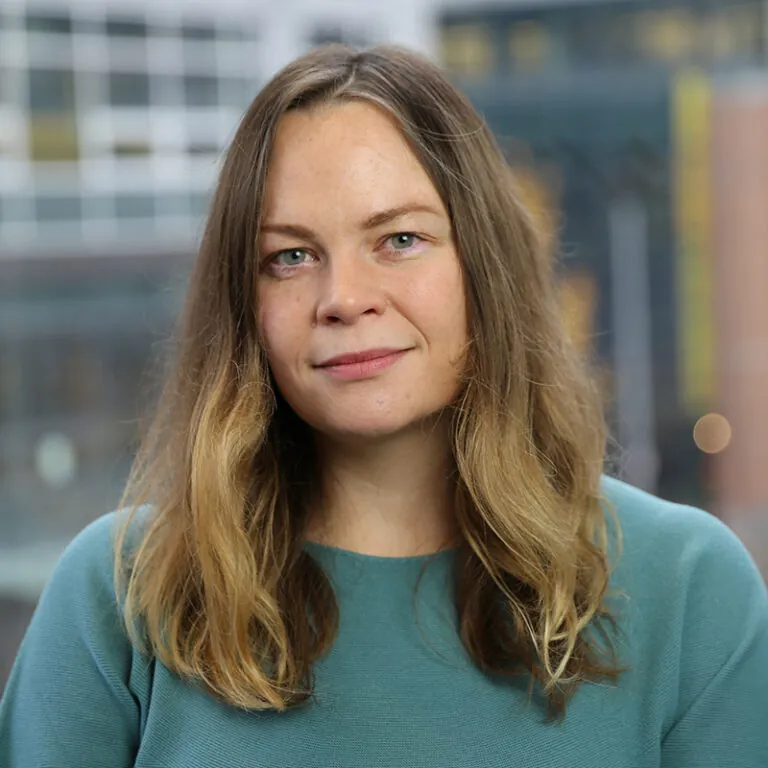
Anna Kuchina is an Assistant Professor at the Institute for Systems Biology (ISB) and an Affiliate Assistant Professor in the Department of Electrical and Computer Engineering at the University of Washington. She is also a member of the UW Molecular Engineering & Sciences (MolES) Institute and the UW Center for Synthetic Biology.
Her educational background includes:
- BS in Applied Mathematics and Physics from Moscow Institute of Physics and Technology
- MS in Molecular Biophysics from Moscow Institute of Physics and Technology
- PhD in Cell Regulation from the University of Texas Southwestern Medical Center, advised by Dr. Gürol Süel
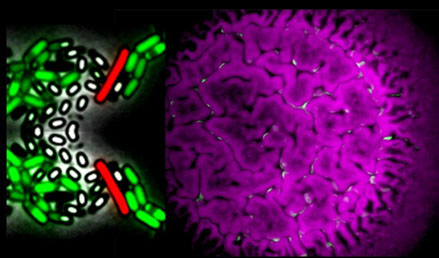
Dr. Kuchina's research focuses on developing and applying high-resolution technologies to understand single-cell bacterial biology in complex environments like biofilms and the human host. Her work aims to uncover rare bacterial phenotypes that drive chronic diseases and antibiotic resistance. Key areas include bacterial differentiation, single-cell transcriptomics, gene expression heterogeneity, and biotechnology for microbial communities.
Her lab's first publication in Nature Protocols (2024) introduced the microSPLiT protocol for bacterial single-cell RNA sequencing, enabling high-resolution study of microbial populations using standard lab equipment. This work supports her broader goal of investigating microbial behavior at the single-cell level to address healthcare challenges.
Dr. Kuchina has no scientific awards mentioned in the provided text.
She advises several graduate students and researchers, including Anika Gupta, Stephen Fedak, and Jacob Brandner (all University of Washington graduate students), and postdoctoral fellow Dmitry Sutormin. She is co-PI on a $15 million Department of Energy grant to engineer microbes for CO2 upcycling, where she leads single-cell transcriptomic profiling of CRISPR-engineered bacteria.
The Kuchina Lab at ISB develops and applies single-cell technologies to study microbial communities, with current projects on biofilm heterogeneity, phage-bacteria interactions, and host-pathogen dynamics. The lab collaborates extensively within the University of Washington and beyond.