معرفی
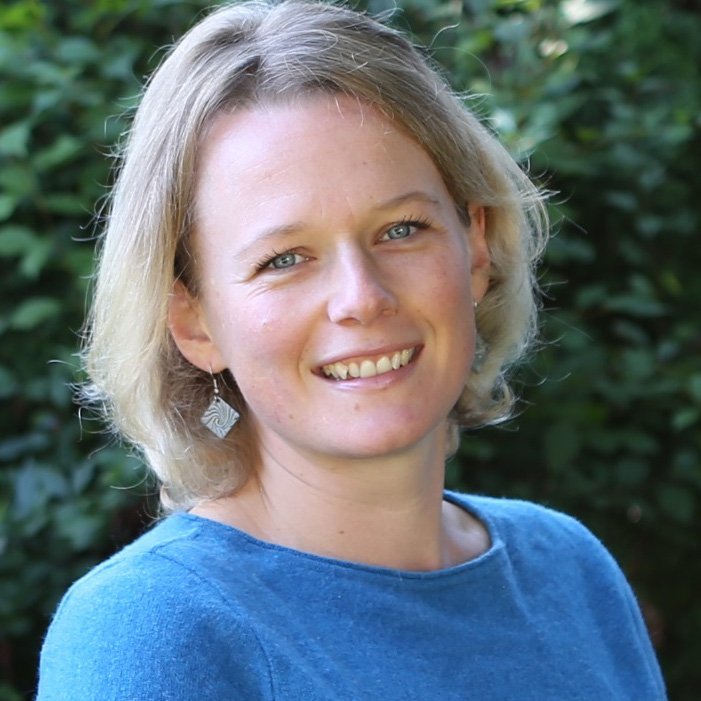
Anika Lloyd-Smith is an Associated Researcher at the Cluster of Excellence "The Politics of Inequality" at the University of Konstanz, working within the Department of Linguistics. Her research primarily focuses on second, third, and heritage language acquisition, with particular emphasis on Indigenous languages, especially the Sámi languages of Scandinavia. As part of the interdisciplinary Cluster of Excellence, she contributes to research examining how language policies and language use intersect with social and cultural inequalities.
Dr. Lloyd-Smith's research interests span multiple areas within linguistics and sociolinguistics, with a consistent focus on multilingualism, heritage language acquisition, and Indigenous language rights. She investigates how heritage speakers acquire additional languages, the effects of language use on linguistic outcomes, and the relationship between language policies and social inequality. Her work with Indigenous communities, particularly the Sámi people in Norway and Sweden, explores how language discrimination affects perceptions of inequality and how language policies can contribute to language revitalization. She also conducts methodological research on working with Indigenous communities and develops language assessment tools for endangered languages.
Her publication record shows a clear evolution toward examining the intersection of language policies with social inequality, particularly through her involvement with the Cluster of Excellence (2022-2025). She frequently collaborates with Tanja Kupisch and other researchers on projects related to Sámi language acquisition and policy. Her methodological approaches span experimental linguistics, survey research, and community-based participatory research, demonstrating versatility in addressing complex linguistic and social questions.
As an Associated Researcher, Lloyd-Smith contributes to the Cluster's mission of examining various dimensions of inequality through empirical and theoretical research. Her work provides valuable insights into how linguistic practices and policies can either perpetuate or mitigate social inequalities, particularly for Indigenous populations in supposedly egalitarian societies like those in Scandinavia.