معرفی
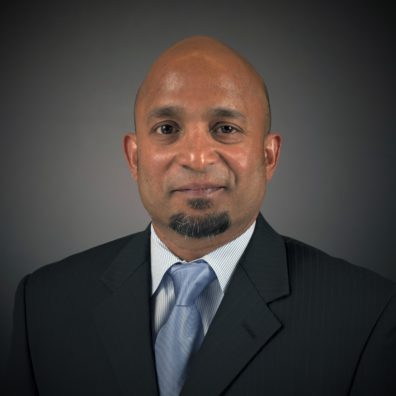
Ani Jayakaran is a Professor and Green Stormwater Infrastructure (GSI) Specialist at Washington State University (WSU), affiliated with the College of Agricultural, Human, and Natural Resource Sciences and based at the Puyallup Research & Extension Center. He is a registered Professional Engineer (P.E.) with expertise in ecological engineering and sustainable stormwater management. His work bridges research, extension, and policy, focusing on improving urban water systems through nature-based solutions.
Research Interests: Ani Jayakaran's research is centered on Green Stormwater Infrastructure (GSI), including bioretention systems, permeable pavements, and urban trees. He investigates how ecological engineering principles can enhance stormwater treatment, reduce pollutants like PAHs and 6PPD-quinone, and improve system resilience. His work emphasizes equity, aiming to support under-resourced communities in stormwater decision-making.
The recent publications highlight a strong focus on bioretention performance, permeable pavement effectiveness, and urban tree water use. His research has directly influenced the Stormwater Management Manual for Western Washington, demonstrating real-world policy impact. Themes across his work include pollutant removal, hydraulic performance, long-term durability, and low-cost, sustainable design improvements.
Scientific Awards:
- No awards explicitly mentioned in the text.
Advising and Grants: Dr. Jayakaran advises multiple graduate students in Biological Systems Engineering and the School of the Environment. He collaborates with cities, regulatory agencies (e.g., Washington State Department of Ecology), and corporations (e.g., Boeing) on stormwater projects. His extension work includes developing training programs for rain gardens and rural stormwater management, funded through WSU Extension and the Washington Stormwater Center.
Labs and Teams: He leads the Low Impact Development (LID) Lab at WSU Puyallup, a research-extension program that develops science-based outreach materials for diverse audiences, from school children to policymakers. The lab works on refining GSI technologies and promoting equitable water management solutions.