معرفی
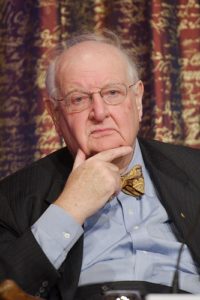
Angus Stewart Deaton is a Professor of Economics at Princeton University's School of Public and International Affairs. Awarded the Nobel Prize in Economic Science in 2015 for his analysis of consumption, poverty, and welfare, Deaton has made significant contributions to economic measurement and understanding of global poverty.
Deaton's research interests span consumption patterns, poverty measurement, welfare economics, index numbers, and purchasing power parity. His work has fundamentally shaped how economists measure and understand global poverty and economic wellbeing. His research demonstrates that extreme poverty in the world has fallen dramatically over time, challenging common perceptions about global inequality.
His most influential publications include the 1980 paper 'An Almost Ideal Demand System' (with John Muellbauer), which revolutionized consumer demand analysis, and his books 'The Great Escape' (2013) and 'Deaths of Despair and the Future of Capitalism' (2020, with Anne Case). His research shows that life is better now than at almost any time in history, with fewer people living in dire poverty and longer life expectancies, though significant inequality remains.
- Nobel Prize in Economic Science (2015)
Deaton has been critical of government-to-government foreign aid, arguing that between 1960 and 2010, approximately $5 trillion in aid from rich countries to poor countries' governments had little effect due to incentive problems. He contends that real progress requires improving institutions in developing countries rather than direct resource transfers. With his wife Anne Case, he documented rising mortality rates among middle-aged white Americans without college degrees, linking this 'deaths of despair' phenomenon to drugs, alcohol, and suicide.