معرفی
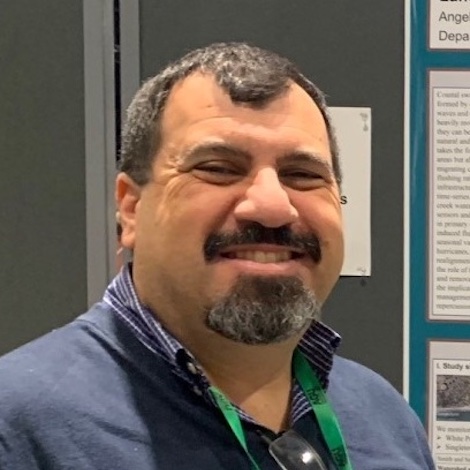
Angelo Mark P Walag is a faculty member in the Department of Science Education at University of Science and Technology of Southern Philippines. His research spans multiple disciplines with a strong focus on innovative approaches to science education and environmental sustainability.
Dr. Walag's primary research interests include chemistry education with emphasis on game-based learning methodologies, environmental science focusing on water quality analysis, and phytochemistry examining bioactive compounds in marine and terrestrial resources. His work demonstrates a consistent commitment to developing practical educational tools and addressing environmental challenges in the Philippine context.
His publication record shows a significant focus on educational game development, with notable contributions including Chem-Okey for acid-base concepts and GamesBond for chemical bonding instruction. These tools have demonstrated effectiveness in enhancing student engagement and learning outcomes. His environmental research includes comprehensive studies on drinking water quality in Cagayan de Oro City and biodiversity assessment in urban university settings.
Dr. Walag has published extensively in reputable journals across chemistry education, environmental science, and phytochemistry fields, with recent publications showing increasing interdisciplinary integration. His work often employs mixed-methods research designs that combine quantitative and qualitative approaches for comprehensive analysis.
His scientific contributions include:
- Development of innovative educational games for chemistry instruction
- Research on water quality and trihalomethane formation in Philippine drinking water
- Systematic reviews of marine natural products as antioxidant sources
- Community-based environmental education and waste management projects
- Studies on drug rehabilitation programs in the Philippines
Dr. Walag collaborates extensively with researchers across disciplines, particularly with Romeo M. Del Rosario. His community engagement work demonstrates a commitment to applying scientific knowledge to address local environmental and social challenges. His research program reflects a holistic approach to science education that connects classroom learning with real-world applications in environmental protection and resource sustainability.