معرفی
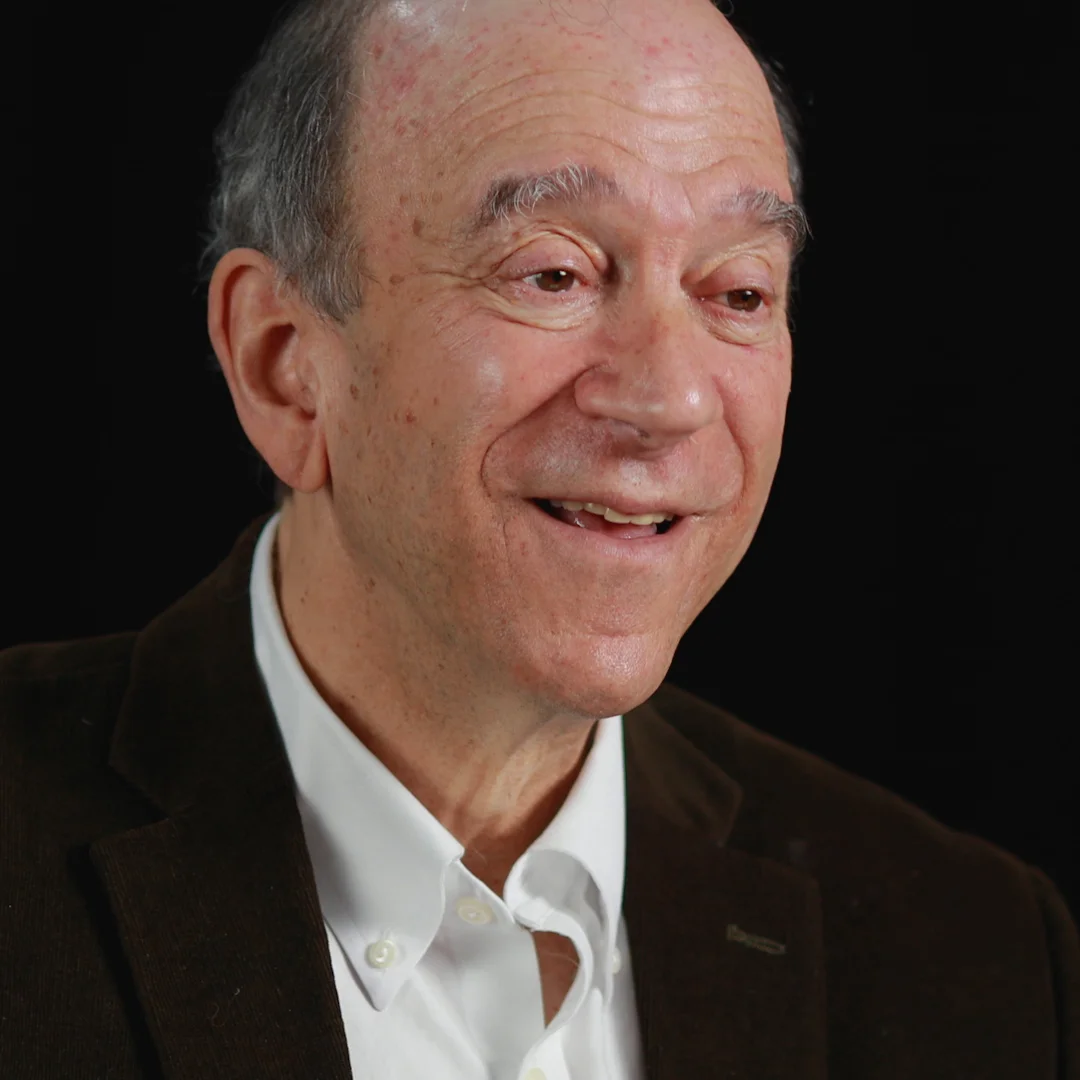
Andrew L. Kaufman is the Charles Stebbins Fairchild Professor of Law at Harvard Law School, where he has been a faculty member since 1965. He teaches in the areas of legal profession, judicial ethics, constitutional law, and commercial law. He previously served as Associate Dean (1986–1989) and Vice Dean for Academics (2005–2013).
His research focuses on professional responsibility, judicial ethics, and legal biography. He is renowned for his authoritative biography of Supreme Court Justice Benjamin N. Cardozo, published by Harvard University Press in 1998, which has been widely acclaimed and awarded. His scholarship also includes co-authoring a leading casebook on professional responsibility with David Wilkins.
The recent publications of Professor Kaufman reflect a sustained focus on professional responsibility and judicial ethics, particularly through revised editions of foundational legal texts and scholarly articles analyzing ethical dilemmas in legal representation. His work bridges historical analysis with contemporary legal challenges, contributing significantly to legal education and professional standards.
- Michael B. Franck Award from ABA (2000)
- Griswold Prize, Supreme Court Historical Society (1998)
- Scribes Book Award (1999)
- Archives Award, NY Board of Regents (1999)
- New York Times Notable Book (1998)
- Choice Outstanding Academic Book (1998)
Professor Kaufman has advised on numerous legal ethics committees, including long-standing leadership of the Massachusetts Bar Association’s Committee on Professional Ethics and service on the Massachusetts Supreme Judicial Court’s committees on judicial and professional conduct. He has not been associated with specific research grants, but his influential publications and institutional roles reflect substantial scholarly impact. He has also served on advisory boards such as Senator Warren’s Advisory Committee on Massachusetts judicial nominations.
He is actively involved in professional service and institutional governance, with leadership roles in judicial ethics reform, legal education, and bar association initiatives. His work continues to shape discourse in legal ethics and professional responsibility.