معرفی
Prof. Andrei Vescan is a Universitätsprofessor (University Professor) at RWTH Aachen University's Department of Compound Semiconductor Technology. His research focuses on advanced semiconductor materials and optoelectronic devices, including III-nitrides, 2D materials like MoS2 and WS2, and hybrid organic-inorganic systems. Key applications include power electronics, flexible displays, solid-state lighting, and photovoltaics. His work emphasizes scalable fabrication techniques like MOCVD and CVD, as well as device integration challenges.
Education and academic background: While not explicitly detailed in the provided texts, his professorship implies advanced degrees in materials science or electrical engineering. His research group investigates material growth, characterization, and device engineering. Notable areas include GaN-based power devices, memristors for neuromorphic computing, and large-area flexible electronics.
Research interests span 3D/2D semiconductors, hybrid materials, and their integration into functional devices. Recent studies address surface damage reduction in GaN Schottky diodes, memristor-based artificial neurons, and optimized 2D material transfer techniques. His group's facilities include state-of-the-art equipment for nanoscale characterization and device fabrication.
Publications highlight advancements in MOCVD-grown heterostructures, perovskite LEDs, and flexible photodetectors. While no specific awards are listed, his prolific publication record indicates recognition in semiconductor research. He advises on device reliability, process engineering, and scalable manufacturing of 2D material-based systems.
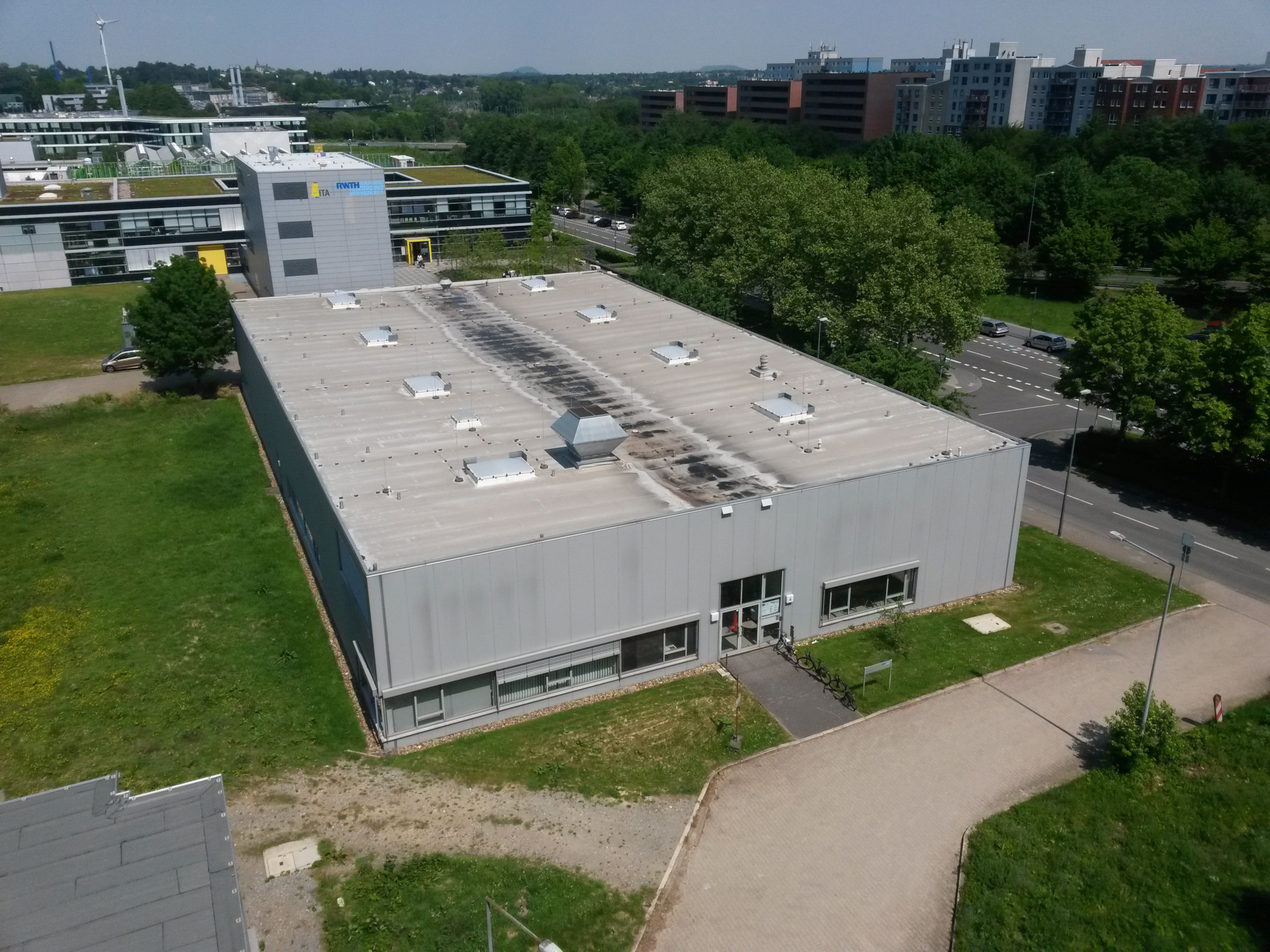
Labs/teams: The Compound Semiconductor Technology (CST) group at RWTH Aachen University serves as his main research hub, equipped with advanced deposition and characterization tools. Collaborative projects likely involve industry partners for technology commercialization.