
معرفی
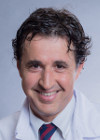
Andrea Trombetti is an Assistant Professor and Doctor of Medicine at the University of Geneva, working within the Department of Bone Diseases at the Hôpitaux Universitaires de Genève (HUG). She serves as a key specialist in renal osteodystrophy (in collaboration with the nephrology department) and rare genetic bone diseases (in collaboration with the genetic medicine department), working under Professor Serge Ferrari, who heads the Bone Diseases Department. Her clinical work focuses on bone and phosphocalcic metabolism disorders, osteoporosis management, and fall prevention in elderly patients.
Dr. Trombetti's research interests center on bone diseases across multiple clinical contexts, with particular expertise in renal osteodystrophy, rare bone disorders, and geriatric mobility issues. Her work explores the relationship between bone health, falls prevention, and cognitive function in older adults, with recent studies examining exercise interventions, hypnosis for fear of falling, and vitamin D status in relation to patient outcomes. She has published extensively on sarcopenia in chronic kidney disease, FGF23-related phosphate wasting syndromes, and diagnostic approaches for rare causes of hypophosphatemia.
Her recent publications reveal a strong focus on translational research with immediate clinical applications, particularly in geriatric populations. She has led studies on Dalcroze eurhythmics exercise for physical and cognitive function in older adults, hypnosis interventions for fear of falling, and sex-specific associations between vitamin D deficiency and outcomes in hospitalized patients. Her work often involves interdisciplinary collaboration across nephrology, endocrinology, geriatrics, and genetics.
Dr. Trombetti serves as a contact point for specialized consultations in renal osteodystrophy and rare genetic bone diseases, demonstrating her recognized expertise in these niche areas. She contributes to the Secondary Fracture Prevention Program at HUG, which targets patients over 45 with fractures following falls, focusing on identifying high-risk patients for osteoporosis and implementing preventive measures.
