معرفی
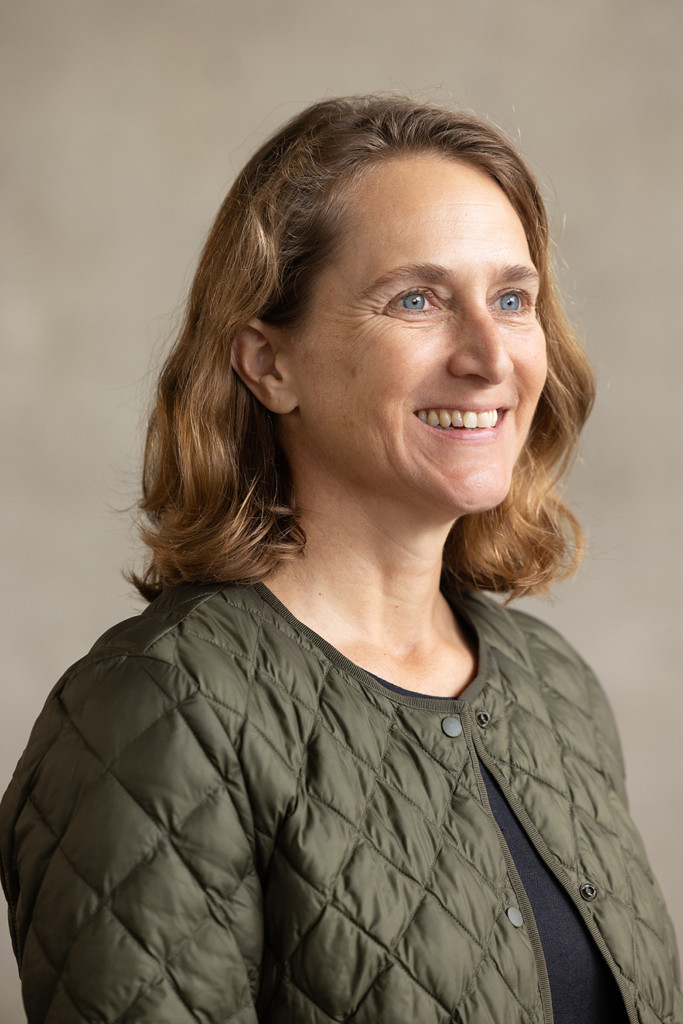
Amy Finstein is an Associate Professor at the College of the Holy Cross, where she contributes to the interdisciplinary fields of Visual Arts, Environmental Studies, Urban Studies, and Architectural Studies. She specializes in modern architecture and urbanism in America and Europe, with a focus on how the built environment reflects societal transformation.
Her research interests include modernist architecture, urban infrastructure, historical preservation, and the intersection of design and social change. She is particularly interested in how major infrastructure projects embody shifting technological, architectural, and societal norms. Her work bridges academic scholarship and public engagement, exploring topics such as the history of elevated highways and the legacy of Bauhaus architects in the U.S.
Her recent publications and projects reflect a strong trend in urban historical research, public scholarship, and digital storytelling. She has authored Modern Mobility Aloft: Elevated Highways, Architecture, and Urban Change in Pre-Interstate America (2020), contributed to the Atlas of Boston History, and created augmented reality experiences that reinterpret urban landscapes. Her work often centers on uncovering marginalized narratives and the impact of planning decisions on communities.
- Buchanan Award Recipient (Vernacular Architecture Forum, 2024)
She advises students in Urban and Architectural Studies and mentors undergraduate research. Her collaborative projects with institutions like the Worcester Tree Initiative and the Norman B. Leventhal Map and Education Center demonstrate her commitment to community-engaged scholarship. She has secured support for public history and urban research initiatives, though specific grants are not detailed in the text. She is actively involved in public lectures, podcasts, and digital outreach, enhancing the visibility of architectural history.
Finstein has led innovative projects such as an augmented reality experience on Boston’s Greenway, which reconstructs the urban landscape prior to the Big Dig. These initiatives reflect her integration of technology, historical research, and public interpretation, positioning her at the forefront of digital and experiential urban scholarship.