معرفی
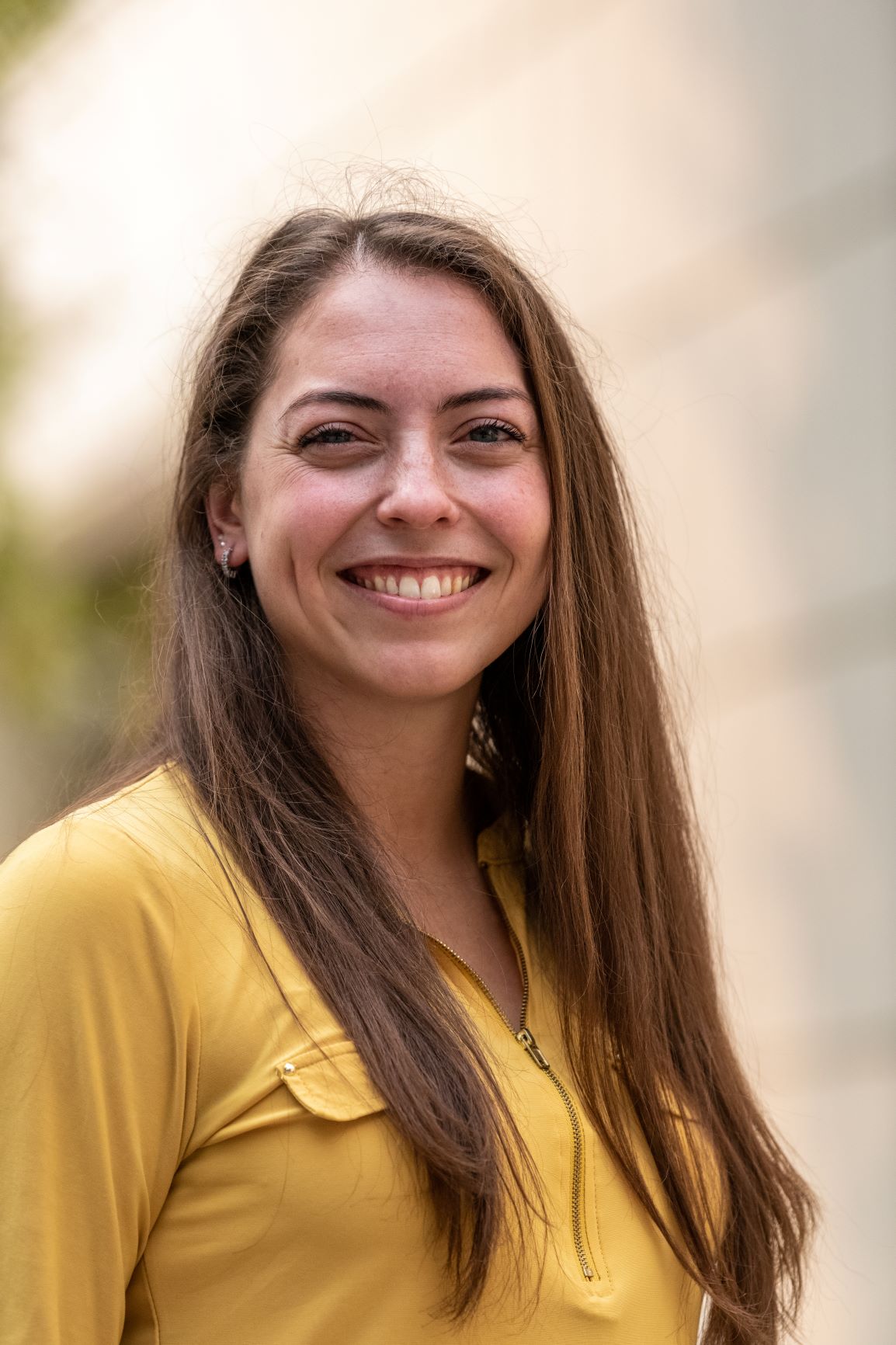
Amanda Stasiewicz serves as Assistant Professor in the Department of Environmental Studies within the College of Arts and Sciences at the University of Oregon. Her academic work focuses on the intersection of human behavior, policy, and wildfire risk management in fire-prone landscapes.
Dr. Stasiewicz earned her BS in Environmental Science from Siena College, followed by MS and PhD degrees from the University of Idaho. Her educational background established the foundation for her interdisciplinary approach to environmental social science.
Her research program centers on community adaptation to wildfire hazards through three interconnected strands: evacuation behavior and alternatives, cooperative risk management between communities and agencies, and policy effectiveness in forest/rangeland contexts. She employs mixed-method approaches including Q-methodology, surveys, and case studies to examine how social diversity, fragmentation, and trust influence fire adaptation trajectories. Recent work increasingly integrates technology adoption and AI interfaces into civilian risk management frameworks.
Analysis of her 15 most recent publications (2017-2025) reveals evolving research themes from foundational studies on Rangeland Fire Protection Associations toward contemporary investigations of AI-driven risk communication and social fragmentation dynamics. Her work consistently emphasizes practical applications for fire-adapted community development across California's Sierra Nevada and Oregon landscapes.
While no major scientific awards are documented in current materials, Dr. Stasiewicz maintains active research funding evidenced by her publication trajectory. She currently accepts MS and PhD students into her laboratory, focusing on training the next generation of wildfire social scientists through field-based research on evacuation planning and community collaboration.
She leads a dynamic research group examining evacuation alternatives, prescribed fire adoption barriers, and technology interfaces for wildfire risk management. Current projects involve California case studies of the 2021 Caldor and 2022 Mill Fires, with emerging work on civilian AI tools for fire risk navigation in the Sierras.