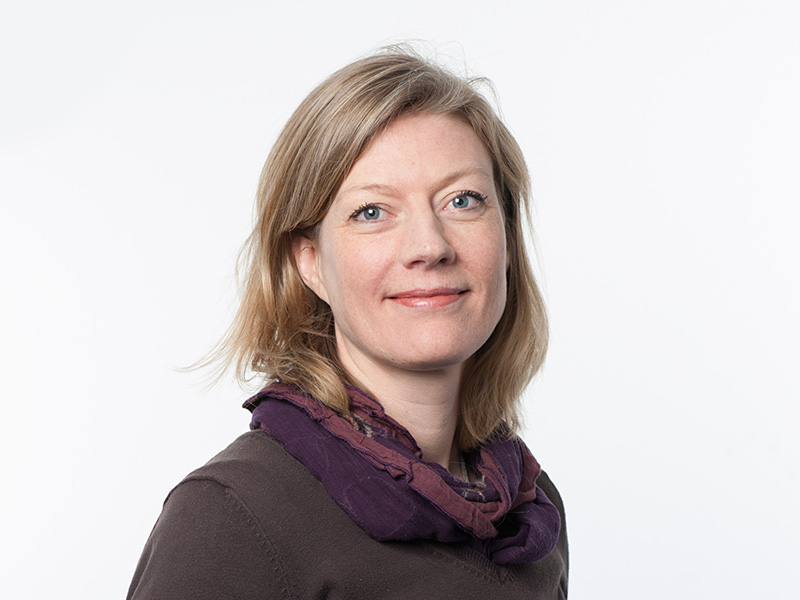
معرفی
Dr. Alison Connolly is an Assistant Professor at the School of Public Health, Physiotherapy and Sports Science, University College Dublin, where she is based in the Centre for Safety and Health at Work. She serves as Programme Director for the UCD Higher Diploma in Safety, Health, and Well-Being at Work, and is an internationally recognized exposure scientist with a strong research focus on human biomonitoring (HBM) for assessing exposure to emerging pollutants.
- Assistant Professor, UCD School of Public Health, Physiotherapy and Sports Science
- Programme Director, Higher Diploma in Safety, Health, and Well-Being at Work
- Principal Investigator, Human Biomonitoring Projects
- Ireland's WHO EHP Partnership Contact Point for HBM
- Collaborator with PARC (Partnership for the Assessment of Risks from Chemicals)
Her research is dedicated to protecting human health through advanced exposure assessment methodologies. She specializes in human biomonitoring, particularly using urine biomarkers to evaluate exposure to chemicals such as glyphosate and neonicotinoids. Her work integrates toxicokinetics, occupational hygiene, and environmental health to address risks from new and emerging pollutants.
The recent publications reflect a strong trend in methodological development, chemical prioritization, and educational frameworks in exposure science. Her work spans environmental toxicology, public health policy, and international collaboration, with a consistent focus on improving human biomonitoring practices and data standardization across Europe.
Dr. Connolly has extensive contributions to the international scientific community and holds leadership roles in major collaborative initiatives. She supervises research projects and contributes to policy-relevant science, though specific student names and grant details are not listed in the provided text.
She is actively involved in research networks related to the Partnership for the Assessment of Risks from Chemicals (PARC) and the WHO European Environment and Health Process, contributing to large-scale human biomonitoring efforts and shaping exposure assessment standards at national and international levels.