معرفی
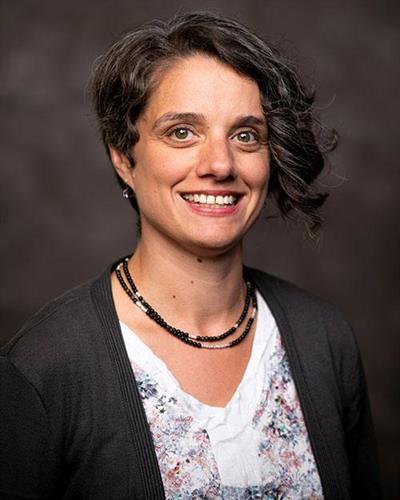
Alisha Rankin serves as Assistant Professor of History at Tufts University, specializing in the history of science and medicine in early modern Europe (c. 1500–1700), with particular focus on Germany. Her academic journey includes earning a PhD in the history of science from Harvard University in 2005 and serving as a Junior Research Fellow at Trinity College, Cambridge prior to her current position.
Rankin's research centers on three interconnected areas: the history of pharmacy, the development of experimentation and empiricism, and women's and gender history in early modern contexts. She investigates early forms of medical empiricism that influenced the development of experimental culture in the seventeenth century, with particular attention to how poison antidotes functioned as testing grounds for evaluating drug efficacy. Her work bridges historical analysis with contemporary understandings of medical knowledge production.
Her publications reveal a consistent focus on poison trials, antidotes, and women's healing practices in early modern Europe, demonstrating how these topics intersect with broader themes of medical empiricism, gender dynamics, and pharmaceutical development. The research shows particular interest in how antidotes were used as testing mechanisms, with implications for understanding the evolution of clinical trials and medical experimentation.
Rankin has established herself as a significant contributor to the field through her monograph Panaceia's Daughters: Noblewomen as Healers in Early Modern Germany (University of Chicago Press, 2013) and her edited volume with Elaine Leong, Secrets and Knowledge in Medicine and Science, 1500–1800 (Ashgate Publishing, 2011), which collectively advance our understanding of historical medical practices and knowledge transmission.

-medium.jpg)