معرفی
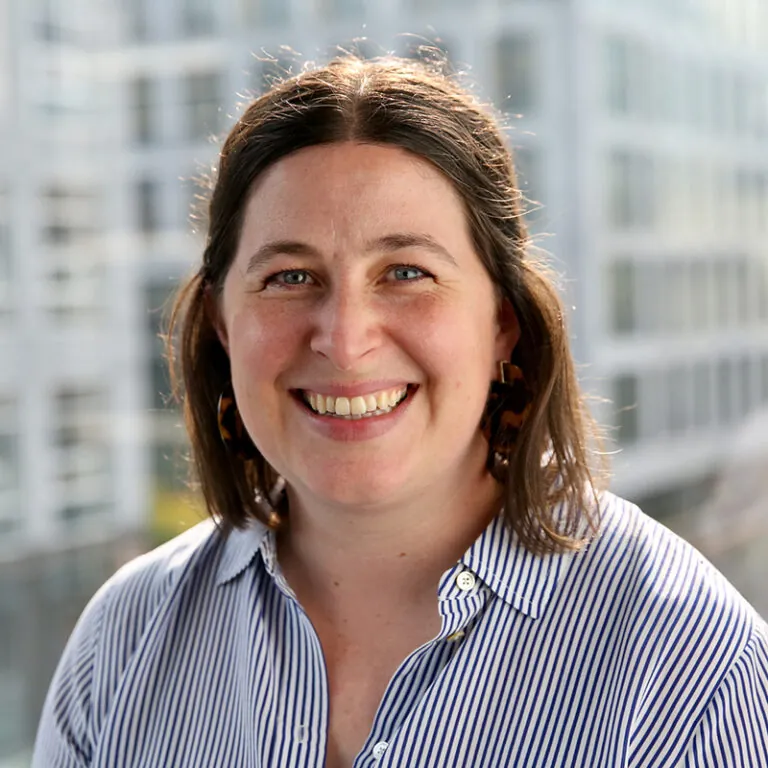
Alice Kane serves as the Ling/Obrzut Assistant Professor at the Institute for Systems Biology (ISB), a position she assumed in Fall 2022. She leads the Kane Lab, which investigates biological determinants of frailty to elucidate molecular mechanisms underlying aging through integrated physiological, molecular, and computational approaches.
Her academic foundation includes a BSc Adv Hons I in Pharmacology and Chemistry (2010) and a PhD in Medicine (2016), both from the University of Sydney. During her doctoral studies under Sarah Hilmer, she examined frailty and aging effects on acetaminophen hepatotoxicity. Postdoctoral training followed at Dalhousie University with Susan Howlett, optimizing mouse frailty assessments and exploring sex differences in cardiovascular aging.
Dr. Kane's research prioritizes three interconnected domains: epigenetic changes (particularly DNA methylation) associated with frailty in aging, large-scale longitudinal phenotyping in mouse models, and development of predictive biomarkers for mice and humans. Her work leverages accelerated and delayed aging models to characterize frailty trajectories, with emphasis on sex-specific biological mechanisms. The Kane Lab employs multi-omic systems biology to decode frailty's molecular language through DNA methylation, histone modifications, and chromatin structure analysis.
She has secured significant competitive funding including the Australian NHMRC CJ Martin Biomedical Fellowship (2018) for research in David Sinclair's Harvard Medical School lab and the current NIA K99/R00 Transition to Independence award supporting her independent program at ISB.
The Kane Lab comprises Postdoctoral Fellows Shyleen Frost (epigenetics specialist with high-altitude hypoxia background) and Dantong Zhu (multi-omics expert), alongside Research Associates Brady Samuelson (molecular aging processes) and Judy Wu. The team actively develops predictive frailty models while investigating regenerative medicine applications through systems biology frameworks.