معرفی
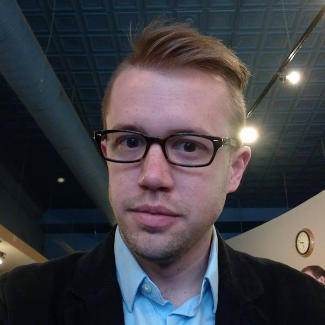
Alexander Clayton is an Assistant Professor of Global Environmental History at the University of Vermont (UVM), affiliated with the College of Arts and Sciences and the Department of History. Prior to his U.S. tenure, he held roles including Assistant Curator of Theatre and Performance at London’s Victoria and Albert Museum and completed advanced studies at the Royal College of Art (MA in History of Design) and the University of St Andrews (undergraduate History). He earned his PhD in History from the University of Michigan in 2024.
His research bridges environmental history, the history of science, and public humanities. Central to his work is examining how colonial histories shape contemporary environmental dynamics through the lens of animals, plants, and microbes. His current book project, *The Living Animal: Menageries and the Nature of Empire*, explores the global trade and display of animal life within the British Empire, highlighting intersections of colonization, Indigenous knowledge, and slave trade labor networks. This work critiques imperial exploitation of living organisms while emphasizing agency in non-human actors.
Clayton’s scholarship has been recognized with the World History Association’s Graduate Student Paper Prize (2023) and History of Science Society’s Nathan Reingold Prize (2022). His research has secured fellowships from over 20 institutions, including the McNeil Center for Early American Studies (2023–24), American Historical Association, and Royal Society. His teaching integrates museum methodologies, tasking students with creating exhibits and analyzing material culture to contextualize historical narratives.
Future projects include a second book on mimicry, camouflage, and creativity in nature, stemming from his 2022 essay on animal intelligence displays. Clayton’s interdisciplinary approach fosters dialogue between academic research and public engagement, challenging conventional boundaries between human and non-human histories.
حوزههای پژوهشی