معرفی
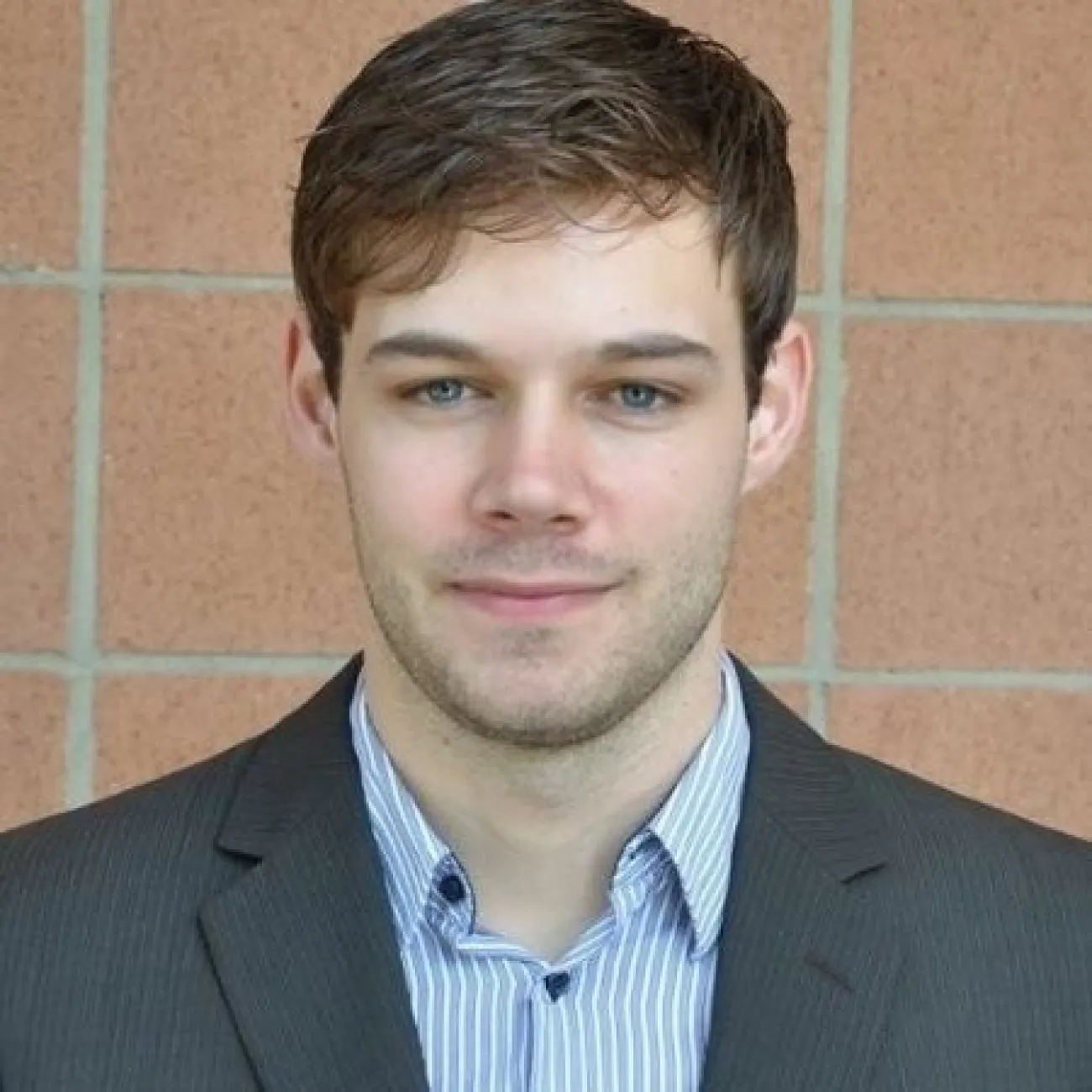
Dr. Alex Chatburn serves as a Lecturer within the Justice & Society division at the University of South Australia, where he conducts research at the intersection of cognitive neuroscience and applied technologies. His work focuses on developing and applying neurophysiological measurement techniques, particularly EEG methodologies, to understand cognitive processes in various contexts including sleep, language comprehension, motor learning, and team dynamics.
His research interests span multiple domains of cognitive neuroscience with particular emphasis on
- Electroencephalography (EEG) applications in naturalistic environments
- Virtual reality-based cognitive assessment and training systems
- Sleep and alertness measurement using neurophysiological markers
- Team cognition and inter-brain synchrony during collaborative tasks
- Language processing and predictive mechanisms in the brain
Analysis of his recent publications reveals a strong research trajectory focused on developing practical applications of cognitive neuroscience principles. His work increasingly emphasizes real-world applications, particularly in defense contexts (as evidenced by the DST Group-funded project on soldier performance) and virtual reality environments. His research demonstrates consistent methodological sophistication with EEG being his primary measurement tool across multiple domains.
Alex Chatburn has established productive collaborations with researchers across multiple institutions including the University of Auckland, Flinders University, and Northwestern University. His work has been published in reputable journals such as Brain Research, Frontiers in Virtual Reality, and Journal of Cognitive Neuroscience, demonstrating interdisciplinary reach across neuroscience, psychology, and virtual reality domains.
As a Research Degree Supervisor, he guides graduate students in cognitive neuroscience research, particularly those interested in applying neurophysiological methods to real-world problems. His current research appears heavily focused on adapting laboratory neuroscience techniques for use in naturalistic settings, with several publications examining EEG measurement in virtual reality and field environments.