معرفی
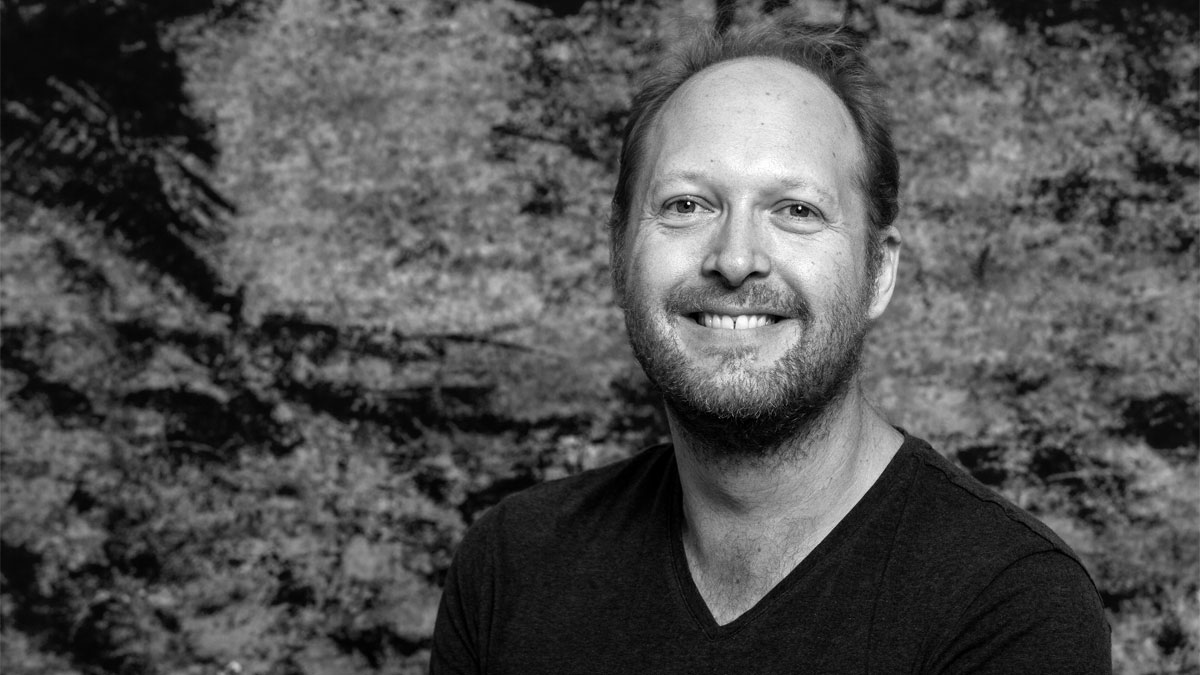
Aleksander Pluskowski is an Associate Professor of Medieval Archaeology at the University of Reading, where he has been a faculty member since 2016. He is internationally recognized for his research on the environmental and cultural dimensions of medieval expansion, particularly in frontier regions of Europe. His long-standing collaboration with the University of Tartu has significantly advanced Estonian archaeology through methodological innovation and international integration.
- University: University of Reading
- Academic Rank: Associate Professor
- Research Focus: Medieval environmental change, zooarchaeology, Crusades, colonization
Pluskowski's research centers on the interplay between nature and culture in medieval Europe, especially during periods of conquest and religious transformation. His work explores how environmental changes accompanied the Crusades and Christianization in regions such as the Baltic and Iberia. He is particularly known for leading the influential project The Ecology of Crusading and its successor Landscapes of (Re)Conquest, which examine human impact on landscapes during medieval military and religious expansion.
His scholarly contributions include two monographs and four edited collections, most notably the two-volume Terra Sacra (2019), an output of the Crusades Ecology Project. He is the editor of the prestigious journal Medieval Archaeology and the book series History of the Environment, and frequently participates in international academic events as an invited speaker.
Scientific Awards:
- Honorary Doctorate in Archaeology from the University of Tartu (2022)
Pluskowski has supervised and mentored numerous researchers and doctoral students, particularly through collaborative fieldwork and exchange programs with institutions like the University of Tartu. His projects have secured significant international funding and fostered transdisciplinary research networks. He has also contributed to laboratory-based research access and training for early-career archaeologists in Estonia.
He is affiliated with several international research initiatives and serves on steering committees and review boards. His work continues to shape the understanding of medieval frontier dynamics, combining archaeological science with historical and environmental analysis.