معرفی
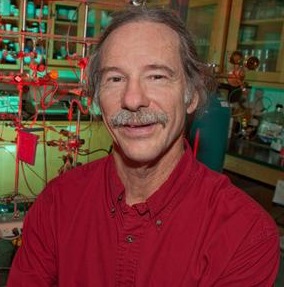
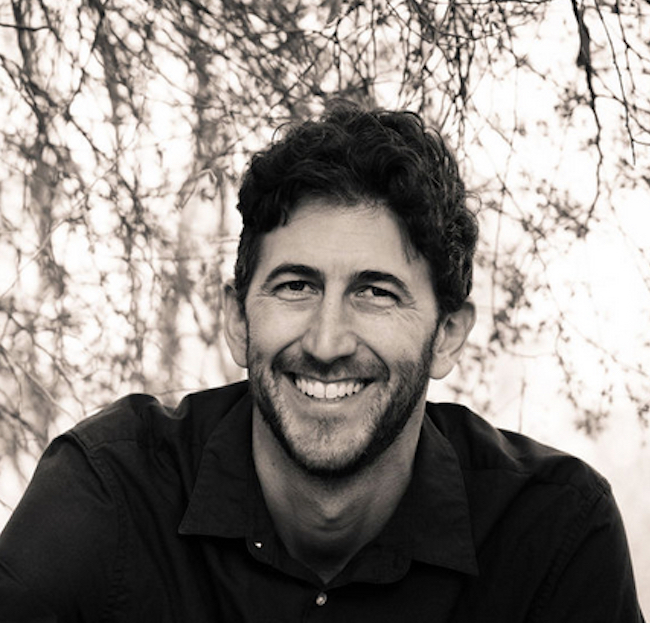
Adam R. Brandt is a Professor in the Department of Energy Resources Engineering at Stanford University’s School of Earth, Energy & Environmental Sciences. He is a leading expert in life cycle assessment (LCA) of energy systems, with a focus on greenhouse gas emissions from oil and gas production, unconventional resources, and methane leakage. He is the principal developer of the Oil Production Greenhouse Gas Emissions Estimator (OPGEE), an open-source model widely used in academic, industry, and policy contexts.
His educational background includes advanced degrees in Energy and Resources (Ph.D.) and Mechanical Engineering, though specific institutions and dates are not detailed in the provided text. His research spans energy systems modeling, carbon mitigation technologies, and environmental policy, with strong emphasis on quantifying uncertainties and improving data transparency in emissions modeling.
Dr. Brandt’s recent publications reveal a consistent focus on methane emissions, detection technologies, and the carbon intensity of natural gas and oil production. His work integrates engineering models with field data, statistical methods, and policy analysis. Key themes include the extreme distribution of methane leaks, the effectiveness of optical gas imaging, and the development of open-source tools for emissions estimation. His research has significant implications for climate policy, energy regulation, and the transition to low-carbon energy systems.
He has received recognition through high-impact publications and collaborative projects with major institutions, though specific awards are not listed in the provided text. His work is frequently supported by grants from federal agencies and private foundations focused on energy and environmental sustainability.
Dr. Brandt actively mentors students and early-career researchers, with several co-authors on his papers likely being advisees. His lab or research group focuses on macro-energy systems, emissions modeling, and the integration of technological and policy solutions for decarbonization. He is involved in large-scale initiatives such as Carbon Mapper and the F3UEL Project, which aim to improve methane monitoring and reduce emissions across the oil and gas sector.
His contributions to open science, reproducibility, and data-driven policy make him a central figure in the field of energy systems analysis and environmental engineering.