معرفی
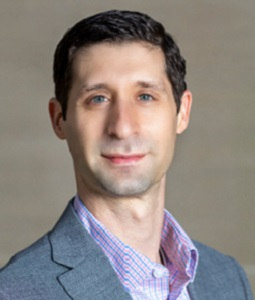
Aaron Jasnow is an Associate Professor in the Department of Pharmacology, Physiology & Neuroscience at the University of South Carolina School of Medicine. His research focuses on understanding the neural and molecular mechanisms underlying fear, stress, and addiction, with a particular emphasis on sex differences and hormonal regulation.
- PhD, Georgia State University Center for Behavioral Neuroscience
- Postdoctoral Training, The Rockefeller University and Emory University School of Medicine
- BA, University of Richmond
Dr. Jasnow's research investigates how overlapping neural circuits regulate aversive and appetitive behaviors. His lab integrates behavioral neuroendocrinology, social behavior, learning and memory, and addiction research to explore how genes, neural circuits, and the environment interact to influence adaptive and maladaptive behaviors. A major focus is on the neuroendocrine regulation of fear generalization, particularly the role of estradiol in promoting generalization in females and suppressing it in males, which has implications for anxiety and stress-related disorders like PTSD. His work also examines cortical-amygdala integration in fear extinction and the impact of adolescent stress on behavioral resilience.
His recent publications highlight trends in understanding sex-dependent neural mechanisms of fear and stress, the role of the nucleus accumbens and hippocampus in emotional memory, and hormonal influences on behavioral phenotypes. Research spans molecular genetics, circuit-level neuroscience, and behavioral pharmacology, aiming to identify common mechanisms of mental health and disease.
Dr. Jasnow's work is funded by the National Institute of Mental Health (NIMH), including current R01 grants on cholinergic regulation of amygdalar circuits and alternative neuroendocrine mechanisms regulating aggression. He mentors graduate and undergraduate students in the Jasnow Lab, where they employ techniques such as optogenetics, chemogenetics, electrophysiology, and complex behavioral analyses. His lab is actively involved in training the next generation of neuroscientists.