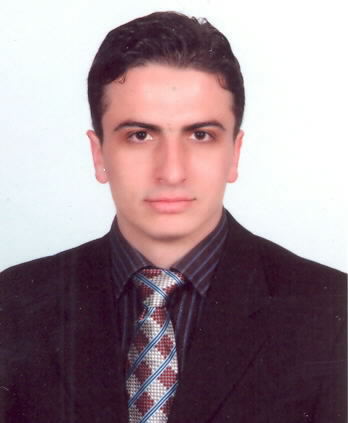
معرفی
Ahmet Saracaloğlu is an Assistant Professor at Gaziantep University Faculty of Medicine, Department of Internal Medicine (specifically Medical Pharmacology). He has been serving in this position since 2022, following his tenure as a Research Assistant at Gaziantep University Institute of Health Sciences, Department of Pharmacology from 2013 to 2022.
His educational background includes:
- Doctorate (2014-2019): Gaziantep University Institute of Health Sciences, Department of Medical Pharmacology
- Master's (2013-2014): Gaziantep University Institute of Health Sciences, Medical Pharmacology (With Thesis)
- Licence (2007-2012): Ege University Faculty of Pharmacy
Dr. Saracaloğlu's primary research interests focus on medical pharmacology with particular emphasis on oxidative stress, nitrosative stress, and thiol/disulfide homeostasis across various disease states. His work bridges basic pharmacological mechanisms with clinical applications, particularly in cardiovascular diseases, neurodegenerative disorders, cancer pharmacology, and metabolic conditions. He has made significant contributions to understanding the role of mitochondrial-derived peptides like humanin and MOTS-c in disease pathophysiology and treatment response.
His extensive publication record demonstrates a strong focus on the biochemical and molecular mechanisms underlying various pathological conditions. Notably, his recent work has explored the relationship between oxidative stress parameters and inflammatory conditions like Crohn's disease, as well as the impact of various therapeutic interventions on these biochemical markers. His research on mitochondrial peptides in conditions ranging from diabetes to cancer represents an innovative approach to understanding disease mechanisms and potential therapeutic targets.
Among his professional recognitions:
- 3rd highest ranking of the oral presentation at Cellular Neuroscience and Oxidative Stress Society (2018)
Dr. Saracaloğlu has actively supervised graduate theses, including research on serum humanin and MOTS-c peptide levels in morbidly obese patients and potential drug-drug interactions in intensive care patients. His research has been supported by multiple national projects, including TÜBİTAK 1001 and 1002 grants, as well as projects funded by Higher Education Institutions. These projects have focused on diverse topics including pterygium pathogenesis, keratoconus, thalassemia, Crohn's disease, and neurodegenerative conditions.
His laboratory work appears to focus on cellular and molecular pharmacology, with particular expertise in oxidative stress measurement techniques, cell culture models (including SH-SY5Y neuroblastoma cells), and molecular analysis of protein expression. His collaborative research network includes colleagues at Gaziantep University across various departments including ophthalmology, neurosurgery, and gastroenterology.