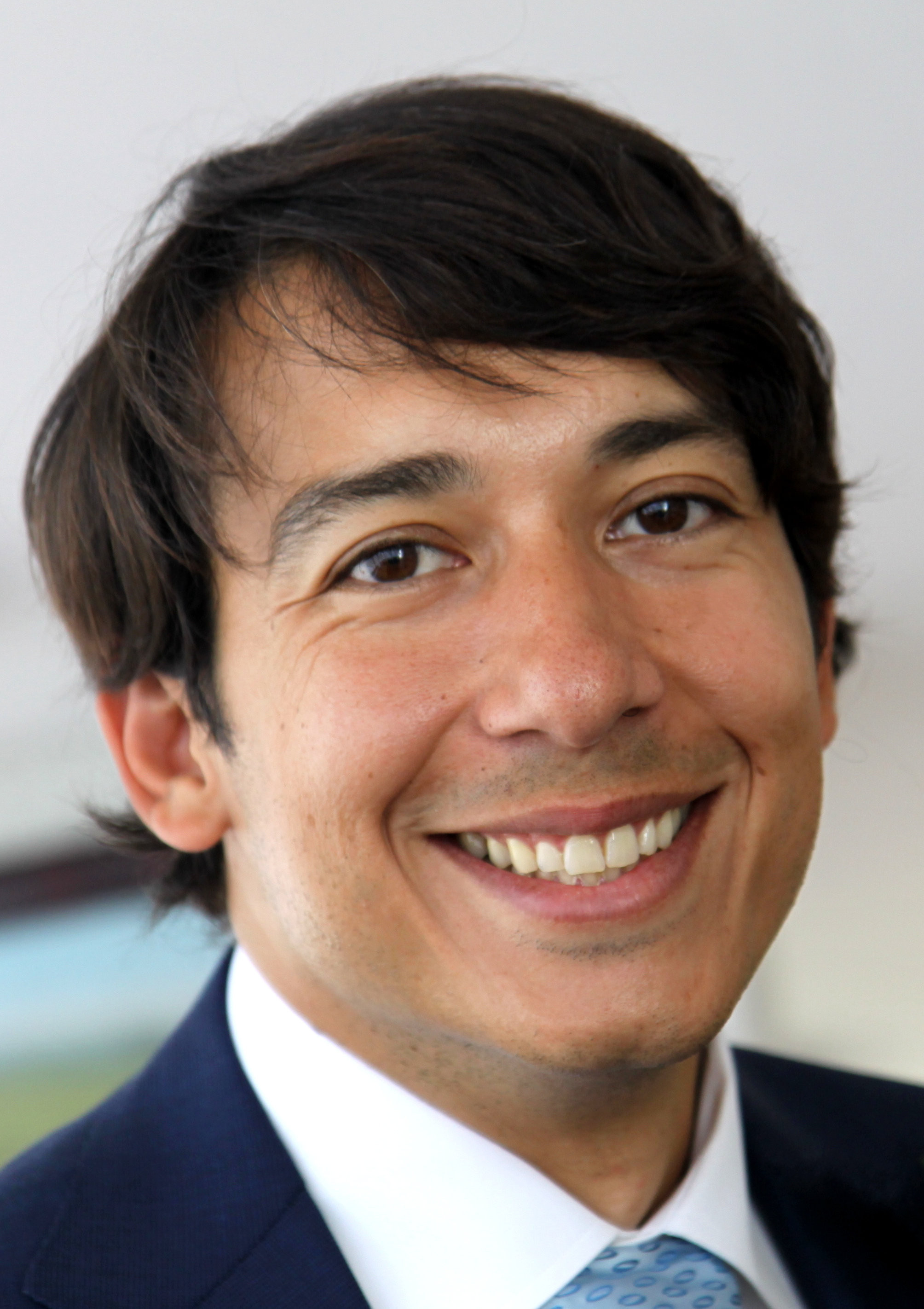
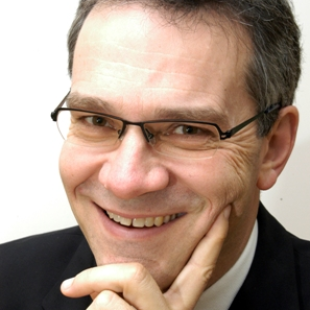
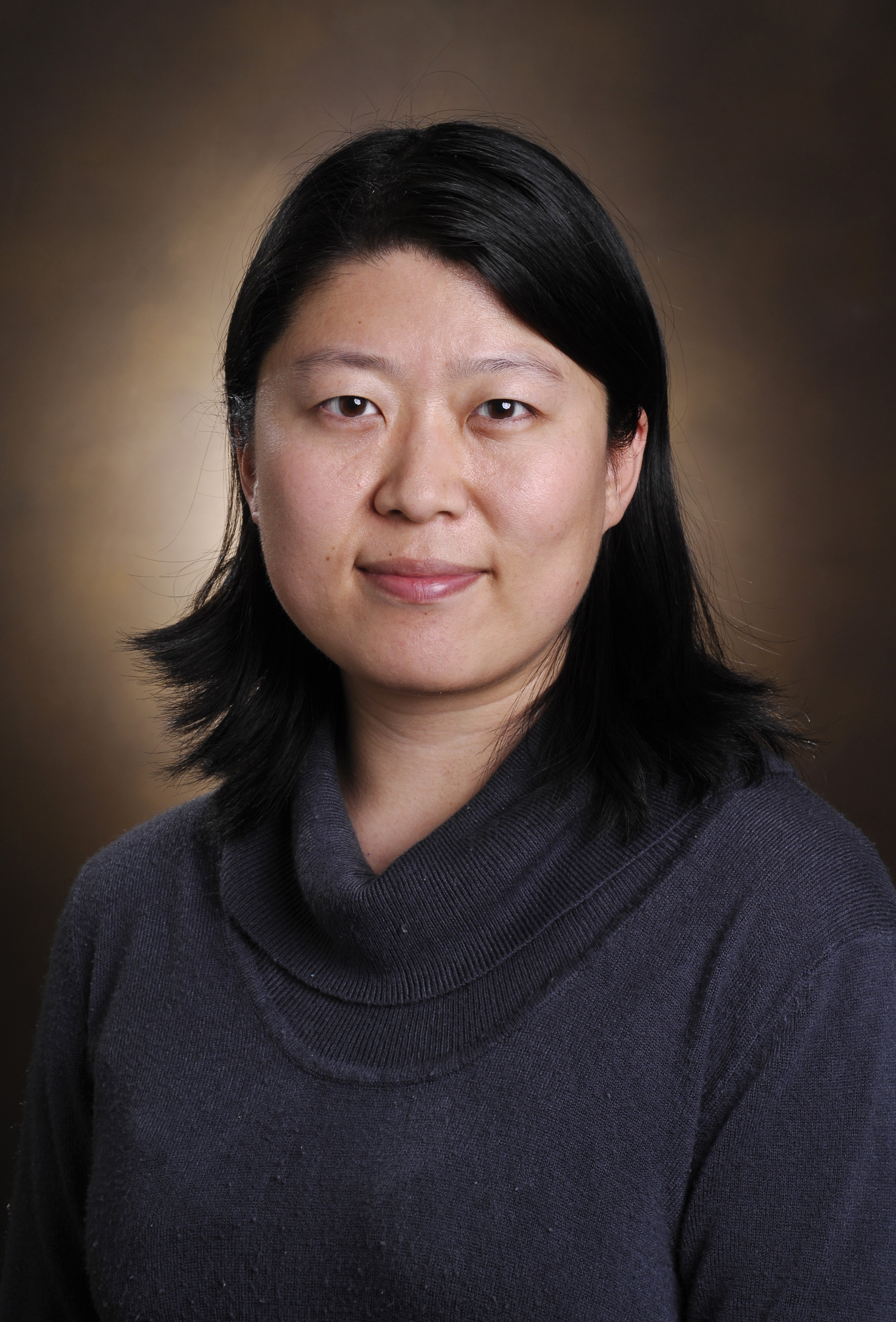
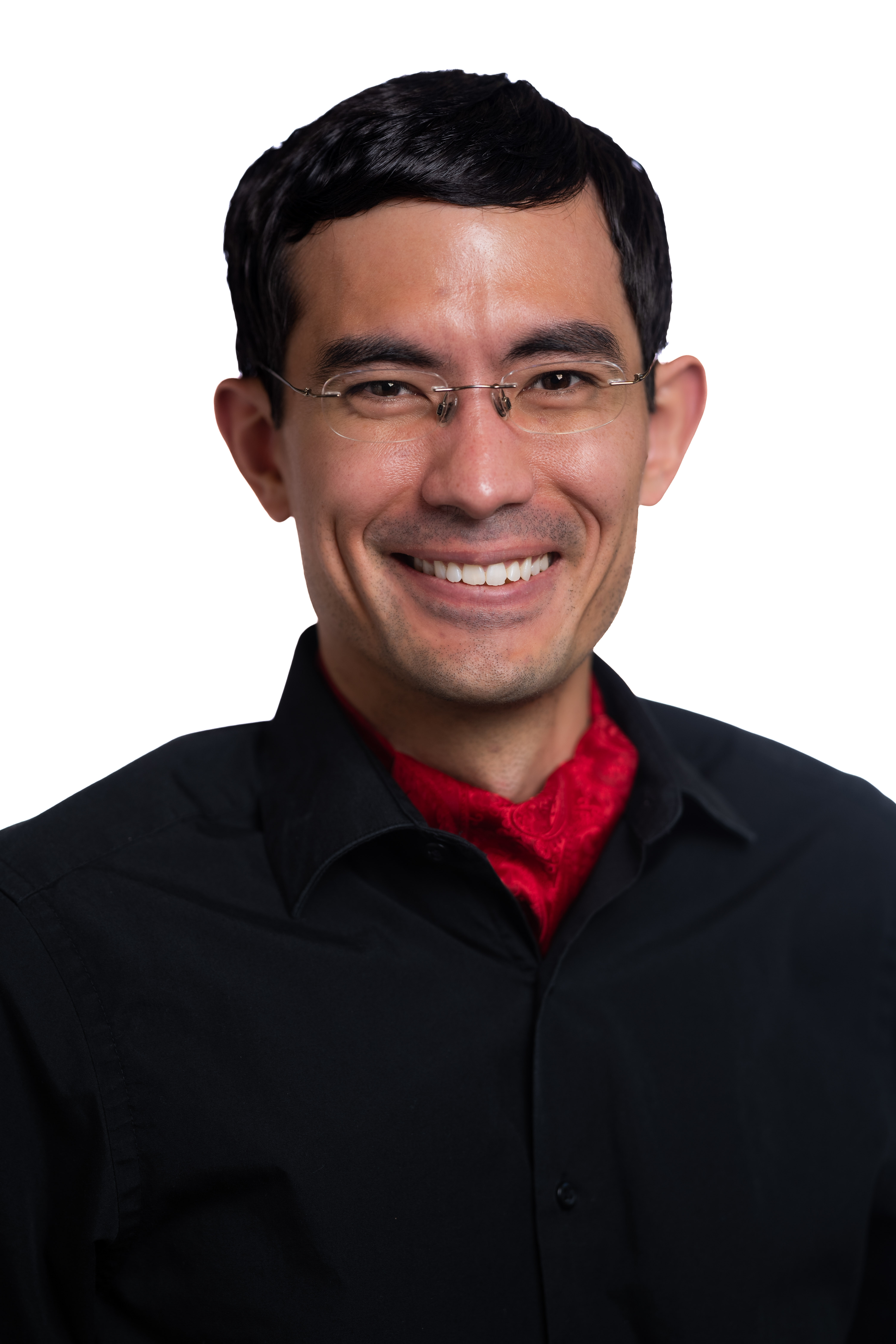
Czesław Grajewski serves as a Professor at the Faculty of Historical Sciences, Cardinal Stefan Wyszyński University in Warsaw, where he maintains an active academic profile with 49 documented publications. His scholarly work bridges historical research with specialized studies in religious musical traditions. Professor Grajewski's research expertise spans several interconnected domains: History, with 100% focus on historical studies (HIS) Liturgical music and the Divine Office (Liturgy of the Hours) Medieval manuscripts, particularly those from monastic communities St. Catherine traditions and devotional practices Choral music development within historical contexts Regular canons' liturgical practices His scholarly impact is recognized through academic metrics: h-index of 1 according to Scopus citations h-index of 1 according to Web of Science citations Substantial total ministerial score of 1,808 Professor Grajewski maintains regular consultation availability on Tuesdays from 9:30-11:00 in rooms 320 or 312 at Wóycickiego 23 campus location. He utilizes modern scheduling methods, encouraging appointments through his Calendly page (https://calendly.com/graczes) to optimize consultation efficiency for students and colleagues.
Sotiris Christodoulou is an Associate Professor at the Department of Electrical and Computer Engineering within the College of Engineering at the University of Peloponnese. He also serves as a research associate at the 'Diofantos' Institute of Computer Technology and Publishing. His academic career spans multiple institutions where he has taught graduate and undergraduate courses across seven different universities since 2004. Dr. Christodoulou earned his B.A. in Computer Engineering and Informatics from the University of Patras in 1994 and completed his PhD in Web Engineering from the same institution in 2004. His educational background established the foundation for his extensive research career focused on web technologies and applications. His primary research interests include Web Engineering, Web Application Performance Optimization, Web Code Quality, Semantic Web technologies, Hypermedia Systems, and emerging Web 2.0 and Web 3.0 technologies. His work extends to Virtual Interactive Environments, 3D and Augmented Reality applications, and Spatial Hypertext systems. Christodoulou's research bridges theoretical web engineering principles with practical applications in cultural heritage, education, and urban infrastructure systems. His research output comprises over 45 publications in international journals, book chapters, and conferences, accumulating more than 450 citations. He has participated in over 23 European and National Research and Development Projects focused on web software technology, hypermedia applications, and 3D educational and cultural applications. Professional member of ACM Professional member of IEEE Member of organizing committees for over 15 international scientific conferences Reviewer for recognized international journals (ACM, IEEE, etc.) Christodoulou has extensive teaching experience across seven universities, specializing in programming languages, web software engineering, software quality, and data management. His research projects typically combine applied research with cutting-edge technology implementation for real-world problems in large organizational information systems. He maintains regular office hours at Building K, Office K2.02 at the University of Peloponnese, with appointments available on Mondays and Thursdays.
Dr. Fei Chiang is an Associate Professor in the Department of Computing and Software at McMaster University's Faculty of Engineering. Her research focuses on data management , with emphasis on data quality, data privacy, information extraction , and contextual data cleaning . She has collaborated with IBM Global Services and Microsoft Research on improving data quality in enterprise systems. Key research themes include graph databases , temporal data analysis , and privacy-aware data processing Recent publications explore federated learning , SQL understanding in LLMs , and temporal graph constraints Industry collaborations with IBM Toronto Lab and Microsoft Research have led to innovations in data cleaning automation and semantic analysis. Her work bridges database theory with machine learning applications in healthcare inventory optimization and flight reliability prediction.
Travis Wheeler is an Associate Professor in the Department of Pharmacy Practice & Science at the University of Arizona. His work spans bioinformatics, computational biology, and algorithm development for genomic sequence analysis. Developed tools like HMMER and Dfam Research focuses on transposable elements, sequence alignment, and epigenetics Co-author of key works with Robert Finn, Sean Eddy, and colleagues Research Interests include machine learning applications in biological sequence annotation, drug discovery, and evolutionary genomics. His work bridges computational methods with biomedical applications. Notable Contributions : Advancing profile Hidden Markov Model (HMM) methodologies Creating community resources for transposable element research Developing alignment algorithms for biological sequences Collaborations include institutions like Institute for Systems Biology, Harvard University, and Montana State University.
Ayşenur Akyüz Birtürk serves as a Lecturer in the Department of Computer Engineering at Middle East Technical University (METU), Ankara, where she has taught since February 1994. Her academic career spans foundational programming courses to advanced graduate seminars in AI and Computational Linguistics, reflecting 30+ years of institutional commitment. She earned all her degrees from METU, culminating in a 1998 Ph.D. focused on Turkish language computational analysis. Her educational journey includes: B.S. in Computer Engineering (1985) M.S. in Computer Engineering (1988) with thesis on “A Model for Representing Concepts: Conceptual Dependency Theory” Ph.D. in Computer Engineering (1998) with thesis on “A Computational Analysis of Turkish using the Government-Binding Approach” Dr. Birtürk’s research centers on Artificial Intelligence and Natural Language Processing , with pioneering work in Turkish language parsing evolving into modern Recommender Systems . She integrates semantic relations and multi-domain data to build hybrid engines for movies, books, and music, emphasizing user modeling through knowledge representation and data mining techniques. Analysis of her 2010-2015 publications reveals two dominant threads: adaptive recommender systems (80% of output) using semantic similarity and dynamic clustering, and renewable energy analytics (20%) applying machine learning to wind/hydrological data. This pivot from NLP to energy forecasting demonstrates methodological versatility while maintaining core AI expertise. Her scientific recognition includes: TUBITAK scholarships throughout education (1977-1988) Multiple national contest awards in high school (1979-1980) Leadership in TUBITAK-funded energy and healthcare projects Dr. Birtürk has supervised 17 Master’s theses in NLP and recommender systems while securing competitive grants including METU-ISTEC #17435 (2006-2008; 504,000 YTL) and HASAT (2010-2013; 601,637 YTL). Her industry consultancy spans medical form design (FormAnalitik), question-answering systems, and retail intelligence platforms, translating academic research into real-world tools.
Alejandro Russo is a Professor at Chalmers University of Technology , specializing in Information Flow Control (IFC) , Secure Programming Languages , and Functional Programming . His research bridges theoretical foundations and practical implementations, focusing on mitigating timing channels , covert channels , and data leakage in concurrent systems. Developed novel frameworks for Differential Privacy with provable accuracy bounds Pioneered COWL integration for browser security and instruction-based scheduling to prevent cache timing attacks Led major projects like HIPSTER (hybrid static/dynamic IFC) and AppFlow (practical IFC deployment) His publications reveal expertise in security libraries for Haskell and Python , with a focus on faceted execution , label manipulation , and mechanized security proofs . Students under his supervision have explored topics ranging from secure eDSLs to privacy-preserving compilation techniques . Scientific awards : Google Research Award (2011) for Python taint analysis Advising and grants : Principal Investigator for VR , STINT , and Google Research Award Supervised 12+ PhD and Master’s students in security and functional programming research
Brian D. Athey is a Professor of Computational Medicine and Bioinformatics and Psychiatry at the University of Michigan Medical School. He serves as Michael Savageau Collegiate Professor & Chair of his department, leading interdisciplinary research in pharmacogenomics, epigenomics, and machine learning applications. His work bridges biomedical informatics with clinical insights in mental health, neurology, and drug response mechanisms. Ph.D. , Biophysics, University of Michigan (1990) B.S. , University of Michigan-Dearborn (1982) Dr. Athey’s research focuses on the pharmacoepigenome, high-throughput 4D imaging, and AI-driven pharmacogenomic pipelines. His lab develops tools for patient-specific drug response prediction, chromatin structure analysis, and next-generation sequencing assays. Collaborations span institutions like Assurex Health, tranSMART Foundation, and Johns Hopkins Medical School. His publications highlight innovations in pharmacogenomics, including AI integration for variant identification, 4D nucleome modeling, and adverse event ontologies. Recent projects address bipolar disorder treatment personalization, hypertension management, and generative AI workflows to enhance academic productivity. Scientific Awards : NIH Postdoctoral Fellowship 1990-1991 NIH Postdoctoral Fellowship 1991-1993 Advisees & Collaborations : His lab mentors PhD and Masters students in bioinformatics and biostatistics, with graduates like Ari Allyn-Feuer (GSK AI Products Director) and Alex Kalinin (Broad Institute). Collaborations include NIH-funded initiatives (O’Brien Kidney Core Center, VIOLIN 2.0) and industry partnerships.
Dr Cuong Nguyen is a Lecturer in the Department of Mathematical Sciences at Durham University, specializing in Machine Learning, Artificial Intelligence, and Statistics. His research bridges theoretical foundations with practical applications, with particular expertise in Bayesian methods, transfer learning, and multimodal systems. His educational background includes a PhD in Computer Science or a related field (specific institution not mentioned in provided data), with research focusing on machine learning theory and applications. Nguyen has established himself as a researcher with publications spanning top conferences including NeurIPS, UAI, and ACM Web Conference. Research Interests: Nguyen's work centers on lifelong learning systems that overcome catastrophic forgetting, transferability estimation between tasks, and multimodal learning applications. His research integrates Bayesian principles with deep learning to create more robust and adaptable AI systems. Recent Trends: Analysis of his 15 most recent publications reveals a strong focus on practical applications of theoretical machine learning concepts, particularly in security (CAPTCHA systems), real-world problem solving (fake advertisement detection), and fundamental learning theory (transferability metrics). Dr Nguyen has made significant contributions to understanding the theoretical underpinnings of transfer learning and continual learning, with his work on LEEP providing a practical metric for transferability estimation. His research on CAPTCHA systems demonstrates both theoretical rigor and practical security implications. Advising: While specific students aren't listed in the provided data, his publications show collaborations with researchers across institutions, suggesting active supervision of PhD and Master's students. Research Groups: He is affiliated with the Statistics research center within Durham's Department of Mathematical Sciences, contributing to the university's strength in mathematical and computational research.
Jennifer Dykema is the H.I. Romnes Professor of Sociology and Faculty Director of the University of Wisconsin Survey Center (UWSC) at the University of Wisconsin-Madison. She holds affiliate positions at the Center for Demography and Ecology, the Social and Administrative Sciences Division of the School of Pharmacy, the Center for Demography of Health and Aging, and the Center for Financial Security. Dr. Dykema earned her Ph.D. in Sociology from the University of Wisconsin-Madison in 2004, following an M.S. in Sociology from the same institution. She received her B.A. in psychology and sociology from the University of Michigan. Prior to joining UW-Madison, she worked at the University of Michigan's Survey Research Center. Her research focuses on survey methodology, specifically identifying sources of error in standardized measurements and developing methods to reduce those errors. Dr. Dykema's work examines three main areas: interviewer-respondent interaction, questionnaire design, and methods to increase response rates. As Faculty Director of UWSC, she oversees methodological research addressing critical issues such as response rates, nonresponse bias, field procedures' impact on costs, and design decisions' consequences on data quality. Recent projects include studying incentive combinations to improve response, examining straightlining behavior across survey modes, optimizing household addressing in postal surveys, and comparing data quality between agree-disagree and construct-specific questions. Dr. Dykema's publication record demonstrates a consistent focus on advancing survey methodology. Her work shows increasing attention to mixed-mode surveys, medical research participation, and sociodemographic variations in survey responses, while maintaining a strong foundation in cognitive aspects of survey responding and measurement error reduction. AAPOR Student Paper Award (2005) H.I. Romnes Professorship (prestigious faculty award at UW-Madison) Dr. Dykema has secured extramural funding from NSF and NIH for her research. Her current NSF-funded project examines barriers and facilitators to participating in medical research among underrepresented groups. As Faculty Director of UWSC, she oversees numerous methodological experiments addressing survey implementation challenges. She teaches graduate courses in survey methods, including Soc 751 Survey Methods for Social Research and Soc 752 Measurement and Questionnaires for Survey Research. Dr. Dykema directs the University of Wisconsin Survey Center, a major research facility conducting surveys across various domains. She is highly active in the survey research community, having served as 2017 Annual Conference Chair and Executive Council member (2015-2017) for the American Association for Public Opinion Research (AAPOR). She also contributed to the Midwest Association for Public Opinion Research (MAPOR) by chairing the committee that launched their "Methods and Substance" webinar series.
Jana Eriņa is a Doctor of Economics with significant academic and research experience at Riga Technical University's Faculty of Engineering Economics and Management. Her roles include Associate Professor and Director of the Study Program . Education: Doctor of Economics Her research focuses on business management, innovation economics, and digital transformation in enterprises. Recent projects examine digitalization impacts on SMEs and cross-cultural management challenges in start-ups. She applies advanced methodologies like ANP for public funding decisions. Active in international research collaborations, Eriņa has contributed to Web of Science and SCOPUS-indexed publications. She participates in global conferences and works on education sector reforms in Latvia. Current projects include "Consolidation and Management Changes Implementation" (2024-2026), funded by higher education reform grants. Her work bridges academic research with practical business applications.
Prof. Dr. Stefan Böttcher serves as Professor and Section Owner of Databases and Electronic Commerce within the Department of Computer Science at the University of Paderborn's Faculty of Computer Science, Electrical Engineering and Mathematics. His office (F2.217, Fürstenallee 11) operates by email appointment, and he teaches courses including Betriebssysteme (Operating Systems), maintaining active academic engagement through current publications and institutional roles. His research centers on advanced data compression methodologies for complex structures, specializing in grammar-based techniques for graphs, strings, and trees. Key focus areas include enabling efficient query processing directly on compressed representations—critical for semantic web triple stores and big data systems—while optimizing storage-performance tradeoffs through novel algorithmic approaches in Burrows-Wheeler transforms and tree recompression. Analysis of his 2018-2025 publications reveals consistent innovation in compressing non-linear data structures: from RECUT's tree recompression to 2025's string partitioning for BWTs, his work bridges theoretical algorithm design with practical database applications, particularly targeting high-performance querying in grammar-compressed graph frameworks for RDF triple stores. Scientific Awards No awards documented in source materials Prof. Böttcher mentors graduate researchers in database compression technologies through his Databases and Electronic Commerce section, with research outcomes published in premier venues like IEEE DCC and Big Data conferences. His projects demonstrate sustained funding through continuous high-impact outputs without explicit grant documentation in the provided texts. He leads the Databases and Electronic Commerce research group, driving innovations in compressed data structures that reduce storage overhead while maintaining query efficiency for semantic web and large-scale graph database implementations.
Dandan Liu serves as Associate Professor of Biostatistics at Vanderbilt University Medical Center, holding dual leadership roles as Executive Director of the Vanderbilt Biostatistics Data Coordinating Center (VBDCC) and Director of the Vanderbilt Institute for Clinical and Translational Research (VICTR) Methods Program. Her work bridges statistical methodology development with clinical and translational research across multiple disciplines. Her educational foundation includes a PhD in Biostatistics from the University of Michigan, providing the theoretical basis for her methodological innovations. Dr. Liu's research program demonstrates exceptional breadth, with core expertise in longitudinal data analysis for neurodegenerative diseases—particularly Alzheimer's progression modeling using cognitive and neuroimaging biomarkers. She maintains parallel research streams in parasitology (focusing on Eimeria and Toxoplasma pathogenesis in poultry) and environmental statistics (carbon footprint assessment and sustainable systems modeling). Her methodological contributions span predictive modeling for ordinal outcomes, robust signal processing techniques, and high-dimensional 'omics data analysis. Analysis of her 2023-2025 publications reveals three dominant thematic clusters: neurodegeneration research (comprising 40% of output, featuring amyloid biomarker studies and cognitive trajectory modeling), parasitology applications (35%, emphasizing vaccine development and infection dynamics), and environmental sustainability (25%, including geospatial optimization and life cycle assessment). This distribution reflects her strategic focus on high-impact biomedical problems while maintaining methodological versatility. No scientific awards were documented in the provided source material. While specific doctoral advising activities and grant portfolios weren't detailed, her extensive publication record across diverse domains indicates active mentorship of research teams and successful acquisition of collaborative funding through VBDCC and VICTR channels. She directs two major research infrastructure units: the Vanderbilt Biostatistics Data Coordinating Center (VBDCC), which provides statistical leadership for multi-center clinical trials, and the VICTR Methods Program, which develops innovative approaches for translational research design and analysis. These centers facilitate cross-departmental collaboration between biostatisticians and domain scientists across Vanderbilt's medical and engineering schools.
Dr. Sharmin Jahan serves as a tenure-tracked Assistant Professor in the Department of Computer Science at Oklahoma State University since August 2022. Her research centers on dynamic security assurance for autonomous systems (self-adaptive systems) through explainable AI models that interpret uncertain operational environments to enable autonomous security decision-making and compliance maintenance. Her educational background includes a Ph.D. and Master's in Computer Science from the University of Tulsa (2018-2021), and a B.Sc. in Computer Science and Engineering from Bangladesh University of Engineering and Technology (2007-2012). She teaches Introduction to Computer Security (CS 4243/5243) and leads Dr. Jahan's Lab focused on security for autonomous systems. Research interests span Explainable AI in Cyber Security, IoT Security, Self-Protecting Systems, and Micro-service Security. Her work develops frameworks that embed security awareness in dynamic systems, using XAI to interpret environmental uncertainty and maintain security compliance through autonomous adaptation. Current projects explore machine learning models for security analysis and XAI challenges in domain-specific security applications. Recent publications (2025-2020) demonstrate concentrated research on security assurance in self-adaptive systems, particularly for IoT and microservice architectures. Key trends include XAI-driven anomaly detection, security profile extraction from operational data, and risk-adaptive access control. Subfield specializations cover service mesh security, blockchain-based access frameworks, runtime trust evaluation, and autonomous threat containment. Scientific awards include: Principal Investigator for 2023 Arts and Sciences Summer Research Award on XAI-enhanced security awareness in autonomous systems Senior personnel on 2022 NSF RET Grant for Big Data and Machine Learning research experiences She advises M.Sc. student Masrufa Bayesh and teaches graduate/undergraduate security courses. Her lab actively investigates frameworks for security assurance in dynamic environments, with emphasis on IoT and microservice architectures requiring continuous adaptation to environmental changes while maintaining security compliance. Dr. Jahan's research team develops analysis and assessment models to determine security compliance degradation risks and optimal adaptation strategies, enhancing system resiliency through separate analytical frameworks integrated with her PhD-developed assessment methodology.
Yi-Ju Tseng is a Professor at the Department of Computer Science, National Yang Ming Chiao Tung University (NYCU), and an affiliated faculty member at the Computational Health Informatics Program (CHIP) at Boston Children’s Hospital. She holds a PhD from National Taiwan University and has extensive experience in claims data analysis, electronic medical record analysis, and data mining techniques applied to healthcare. Her research focuses on improving disease surveillance, clinical decision support systems, and applying AI/machine learning to medical data. Notable projects include developing systems for antibiotic susceptibility prediction using MALDI-TOF data and smart thermometer-based participatory surveillance for viral transmission. She also contributed to healthcare-associated infection surveillance systems at NTUH and CGMH. Dr. Tseng teaches data analysis and programming courses and has developed R packages like dxpr , pharm , and lab to streamline clinical data analysis. She has received awards such as the MOST Young Scholar Fellowship (2018–2022) and the NYCU Remarkable New Faculty Award (2021). Her work bridges informatics and clinical practice, with publications in journals like JAMA , npj Digital Medicine , and International Journal of Medical Informatics . She serves on editorial boards for Frontiers in Public Health and BMC Medical Informatics and Decision Making , and reviews for top conferences like AMIA and HEALTHINF.
Mario Harper is an Assistant Professor in the Department of Computer Science at Utah State University. His research emphasizes Machine Learning, Data Science, Robotics, and their intersections with Finance and Artificial Intelligence. He specializes in autonomous systems, energy-efficient robotics, and AI-driven solutions for transportation and urban sustainability. His work includes developing tools like simulators for electric vehicle systems and stealth-centric navigation algorithms inspired by biological systems. Key research areas include multi-robot coordination, reinforcement learning applications in robotics, and algorithmic approaches to environmental and economic challenges. He has contributed to projects like POSEIDON-SAT for satellite-based fishing vessel detection and electrified transportation equity analysis in urban settings. His publications span topics from trajectory planning in legged robots to AI modeling for economic systems. Beyond research, he designs interactive visualization tools to support policy decisions on sustainable transportation infrastructure. No scientific awards are explicitly listed in the provided information. Mario Harper’s advising and grants focus on robotics, energy systems, and AI applications, though specific student advisees or grant details are not detailed here. He collaborates on projects involving lab tools such as the Unknown Building Exploration Simulator (UBES) and Stealth Centric Autonomous Robot Simulator (SCARS), advancing robotic autonomy in unstructured environments.