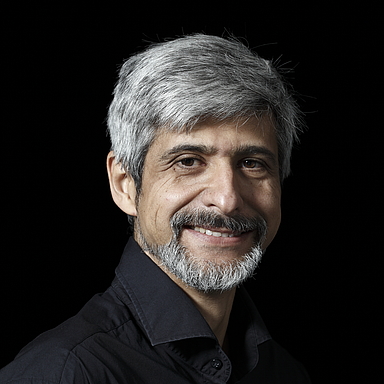
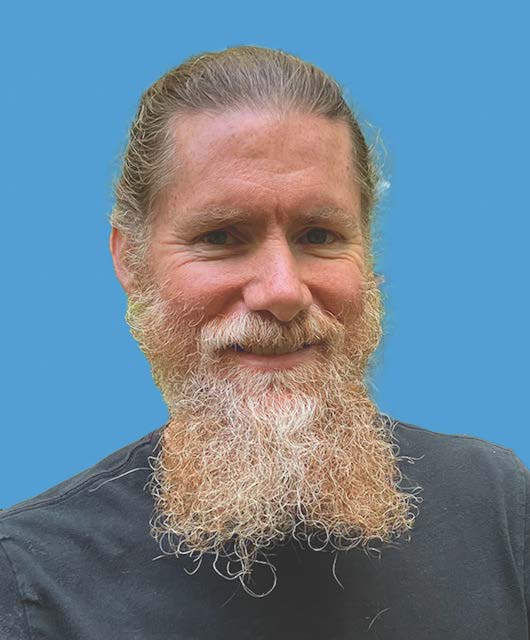
Vinoth Sundar Rajan is a postdoctoral researcher at the Department of Chemistry and Chemical Engineering at Chalmers University of Technology. He works in the Westerlund Research Group , focusing on the interplay between inter/intramolecular forces in nucleic acids and their interactions with proteins through advanced techniques like optical tweezers . His research benefits from close collaboration with the Marcus Wilhelmsson Group in the same department. Research Focus : Utilizing Optical tweezers Atomic Force Microscopy (AFM) Single-molecule biophysics Fluorescence spectroscopy to investigate: Mechanical properties of DNA/RNA RNA structural dynamics in viruses like SARS-CoV-2 Protein translocation mechanics Cancer cell mechanosensitivity Development of biophysical imaging tools Publication Trends : His work spans from 2013 to 2025, covering nucleic acid mechanics , viral RNA dynamics , cancer cell biophysics , and advanced imaging methodologies . Notable projects include characterizing SARS-CoV-2 RNA structures and developing automated optical tweezers systems.
Takashi Kato is a Professor at Waseda University in the Faculty of Education and Integrated Arts and Sciences, specializing in molecular physiology and hematology. His research primarily focuses on comparative hematology using amphibian models, particularly Xenopus laevis and Xenopus tropicalis. Dr. Kato holds a Doctor of Science degree from Waseda University, where he completed his graduate studies in Pure and Applied Physics. His academic journey began with undergraduate studies in the Department of Biology at Waseda University's School of Education. He has maintained continuous affiliation with Waseda University since 2002, while also holding positions at Japan Atomic Energy Agency since 2007. His research interests span Molecular Physiology, Hematology, Protein Chemistry, Cytokine, Interleukin, Hematopoiesis, and Growth factor studies. Dr. Kato has made significant contributions to understanding erythropoiesis and hematopoiesis in non-mammalian vertebrates, particularly amphibians, which has provided insights into evolutionary aspects of blood cell development. Analysis of his recent publications reveals a strong focus on comparative hematology, with particular emphasis on erythropoiesis, granulopoiesis, and thrombopoiesis in amphibian models. His work bridges molecular biology, physiology, and evolutionary biology, providing unique perspectives on conserved and divergent mechanisms of blood cell development across vertebrate species. Japanese Pharmacological Society Quantum Life Science Society Japanese Comparative Immunology Society International Society for Experimental Hematology The American Society of Hematology The Japan Society for Comparative Endocrinology The Japanese Biochemical Society The Japanese Society of Hematology The Zoological Society of Japan His laboratory has developed several innovative techniques for studying hematopoiesis in amphibians, including specialized antibodies for cell identification and novel models for studying physiological responses to environmental stressors. His work continues to advance our understanding of fundamental hematopoietic processes through comparative approaches.
Miguel Andrade is a Professor in the Faculty of Biology at the University of Mainz and serves as Adjunct Director at the Institute of Molecular Biology (IMB) since 2014. Previously, he was a Group Leader at the Max Delbrück Center for Molecular Medicine (2007-2014) and Assistant Professor at the University of Ottawa (2003-2007). His research focuses on computational analysis of protein sequences, particularly tandem repeats and low complexity regions, with applications in neurodegenerative diseases like Huntington's. His educational background includes: PhD in Biochemistry from Universidad Complutense de Madrid (1994) Professor Andrade's research spans bioinformatics and computational biology with emphasis on protein sequence evolution, structural implications of repetitive elements, and development of analytical tools. He investigates how tandem repeats and low complexity regions influence protein folding, aggregation, and interactions in diseases, while exploring evolutionary conservation across species. His work bridges computational methodologies with experimental validation in neurodegenerative contexts. Recent publications (2023-2025) demonstrate consistent innovation in protein sequence analysis, featuring computational tools for homorepeat detection, machine learning applications in proteomics, and multi-omics integration. Key themes include neurodegenerative disease mechanisms, immune system regulation, and evolutionary adaptations, with significant contributions to databases like RepeatsDB and tools such as REP2 and seqQscorer. No scientific awards were documented in the source materials. While specific student names and grant details are unlisted, his leadership at IMB indicates supervision of graduate researchers and postdoctoral fellows. His collaborative network spans immunology, cancer research, and neuroscience, evidenced by co-authorship on diverse projects from lipid-disease associations to T-cell differentiation studies. He directs a research group at IMB Mainz focused on computational genomics, developing algorithms for protein sequence analysis and maintaining community resources. The team actively investigates polyglutamine dynamics in neurodegeneration and applies machine learning to proteome-wide challenges, maintaining strong ties with experimental laboratories for biological validation.
Dr. Terrence (Terry) Furey is a Professor in the Department of Genetics and Biology at the UNC School of Medicine. His research focuses on gene regulatory processes, particularly epigenetically controlled mechanisms, and their role in complex diseases like inflammatory bowel diseases (IBD). The Furey Lab specializes in computational analysis of genome-wide open chromatin, histone modifications, miRNA, and gene transcription data from high-throughput sequencing experiments. Key research areas: Epigenetics, Chromatin Biology, IBD Pathogenesis, Computational Genomics, Microbiome Interactions Specialized methodologies: Development of statistical and computational tools for genomic data analysis Research highlights include investigating genetic and epigenetic contributors to IBD through collaborations with Dr. Shehzad Sheikh, particularly analyzing chromatin reprogramming, miRNA expression, and microbial composition in both IL-10 knockout models and human intestinal tissues. The lab has identified distinct molecular signatures of Crohn's disease associated with clinical phenotypes. Article trends demonstrate expertise spanning Chromatin accessibility analysis in disease states MicroRNA biomarker discovery in IBD Computational tool development (ROCCO, DeFCoM, GSAASeqSP) Multi-omics integration in complex phenotypes Environmental-genetic interaction studies Translational IBD research Dr. Furey actively collaborates with researchers across the Center for Gastrointestinal Biology and Disease (CGIBD), including Drs. Sartor, Sheikh, and Rusyn. His work bridges clinical/translational research with microbiome studies , focusing on how epigenetic landscape alterations contribute to disease progression.
Hun-Way Hwang, MD, PhD, is an Associate Professor in the Department of Pathology at the University of Pittsburgh, with appointments in the Division of Experimental Pathology and Section of Laboratory Medicine. He directs the Hwang Lab, which is affiliated with the Cellular and Molecular Pathology (CMP) and Integrative Systems Biology graduate programs. His research program examines RNA processing mechanisms through three interconnected themes: Fundamental RNA biology : Alternative polyadenylation, microRNA regulation, and isoform-specific gene expression Technical innovation : Development of in vivo mapping tools (cTag-PAPERCLIP) and CRISPR screening approaches Disease mechanisms : Neurological disorders, hematological cancers, and liver pathology linked to RNA processing defects Publication analysis reveals consistent focus on post-transcriptional regulation across 22 papers (2005-2023). Recent work emphasizes: mTORC1 signaling in isoform balance (2023) DNA damage-responsive polyadenylation in chemoresistance (2021) Cell-type-specific poly(A) usage in microglia (2017) Non-canonical polyadenylation in miRNA targeting (2016) The lab employs genetically modified mouse models combined with high-throughput methods to identify disease-relevant mRNA isoforms and their functional consequences.
Jianhua Luo serves as Professor of Pathology and UPMC Endowed Chair of Molecular Carcinogenesis at the University of Pittsburgh, where he directs the High Throughput Genome Center within the Department of Pathology. He maintains active roles across multiple pathology divisions including Experimental Pathology, Molecular and Cellular Pathology, and Anatomic Molecular Pathology. Dr. Luo's research program centers on molecular carcinogenesis, with primary focus on prostate cancer and hepatocellular carcinoma. His laboratory identifies tumor suppressor genes and biomarkers through genomic and epigenomic approaches, aiming to translate discoveries into clinical diagnostics and targeted therapies. Key methodologies include copy number variation analysis, methylation profiling, and fusion transcript detection to elucidate cancer progression mechanisms. Analysis of his 2013-2015 publications reveals consistent emphasis on genomic alterations in prostate cancer, particularly copy number variations and epigenetic modifications with prognostic value. His work bridges molecular discoveries with clinical outcomes, demonstrating strong translational potential across 15+ high-impact studies. His primary recognition includes: UPMC Endowed Chair of Molecular Carcinogenesis Dr. Luo's grant activity is evidenced by sustained publication output and leadership of the High Throughput Genome Center, which facilitates collaborative research across departments. While specific student counts aren't documented, his frequent co-authorship with junior researchers suggests active mentorship in cancer genomics projects requiring interdisciplinary expertise. The High Throughput Genome Center under his direction provides advanced genomic infrastructure for cancer research, supporting investigations into tumor suppressor mechanisms, biomarker validation, and molecular diagnostics through state-of-the-art sequencing and analysis platforms.
María Luisa Marina Alegre serves as a Professor and Member of the Advisory Council at the University of Alcalá, where she leads the Department of Analytical Chemistry, Physical Chemistry and Chemical Engineering. Her academic career spans over three decades with continuous research funding and significant contributions to analytical chemistry. Her research interests focus on chiral analysis , analytical methodologies for food quality and safety , metabolomics , sustainable analytical strategies , proteomics , and valorization of agri-food byproducts . These areas are interconnected through her expertise in capillary electrophoresis and advanced separation techniques, with particular emphasis on developing green analytical methods. Recent publication trends (2024-2025) demonstrate her leadership in sustainable extraction technologies, with 15 high-impact articles focusing on natural deep eutectic solvents, ultrasound-assisted extraction, and valorization of citrus and fruit byproducts. Her work bridges analytical chemistry with food science, pharmaceutical analysis, and environmental monitoring. She has successfully secured continuous research funding since the 1990s through competitive grants from Spanish national and regional agencies. Notable projects include PID2019-104913GB-I00 (€96,800) and multiple COMUNIDAD DE MADRID initiatives totaling over €1.5 million in funding. As coordinator of the 'Técnicas de (Micro)Separación' research group, she oversees a dynamic team working on innovative separation methodologies. The lab maintains strong connections with industry partners and international research groups, facilitating technology transfer and collaborative research in food safety and pharmaceutical analysis.
Michael P. Markey, PhD, is a Research Associate Professor in the Department of Biochemistry & Molecular Biology at Wright State University's Boonshoft School of Medicine and Director of the Center for Genomics Research (CGR). His research integrates genomics, molecular biology, and cancer biology, with projects spanning melanoma genetics, RNA epigenetics, motion sickness neurogenomics, and molecular diagnostics. The CGR facilitates collaborative research in neuroscience, toxicology, and oncology. Dr. Markey teaches graduate courses including Molecular Biology of Cancer , Systems Biology , and Molecular Biology of the Nucleus . He has advised 7 thesis students and served on committees for 30+ trainees. Service roles include: Grant review for NIH and Czech Science Foundation Journal peer review for Cancers , PLoS ONE , Oncotarget University committees: BMS Admissions, Graduate Council, Neuroscience Institute Education: PhD, University of Cincinnati (Advisor: Erik S. Knudsen) Postdoctoral: Wood Hudson Cancer Research Laboratory & Wright State University
Igor Szczepan Babiak is a Professor at Nord University specializing in reproductive biology, genetics, and biotechnology of fish. His research focuses on molecular regulation of early development and germline development in fish, control of fish reproduction, and regulatory RNAs. Dr. Babiak has extensive supervision experience with 11 PhD students, 19 MSc students, 5 BSc students, and 10 postdoctoral researchers. He teaches courses including BI228F Biotechnology, BI210F Molecular Cell Biology, and BI132F Biochemistry and Cell Biology, demonstrating his commitment to education in molecular and cellular biology. His research centers on understanding how parental instruction contained in gametes executes into a complex multicellular organism, investigating the regulatory network consisting of genome, transcriptome and proteome. His work spans molecular developmental biology with applications in aquaculture and fisheries management, particularly using zebrafish, Atlantic cod, and Atlantic salmon as model organisms. Recent publications reveal strong focus on non-coding RNA functions, proteomics of embryonic development, and molecular tools for genomic analysis. Dr. Babiak has been actively involved in significant research projects including the NorthCod transnational project for sustainable development of cod farming, demonstrating his commitment to applied research with practical implications for the aquaculture industry. His work on egg quality indicators, sperm cryopreservation, and environmental effects on early development has direct applications for improving fish farming practices.
Dr. Nural Cokcetin serves as the Faculty Research Engagement Manager for the Faculty of Science at the University of Technology Sydney (UTS), where she focuses on diversifying research funding and facilitating collaborations with internal and external stakeholders. She is part of the central Research Office team and the Partnerships team managing business development, commercialization, and industry engagement activities. Dr. Cokcetin earned her PhD in microbiology from UNSW Australia (2010-2015) and completed her B.Sc (Molecular Biotechnology) (Hons) at the University of Sydney (2003-2007). Prior to her current role, she was a Research Fellow at UTS's ithree Institute (2015-2022) and holds a part-time position as Research Scientist and Project Manager at the University of Sydney (2022-present). Her research expertise centers on medicinal honey, particularly its antimicrobial properties against antibiotic-resistant pathogens and its potential as a prebiotic to promote gut health. She has established herself as a global leader in honey and bee research, with extensive experience in industry-driven research programs, stakeholder engagement, and science communication. Her work bridges fundamental microbiology with practical applications in wound care and infection management. Dr. Cokcetin's publication record demonstrates consistent focus on honey's therapeutic potential, with recent research examining Australian stingless bee honey, honeypot ant honey, and the mechanisms behind honey's antimicrobial activity. Her studies span from basic characterization of honey's physicochemical properties to clinical applications for treating infections and promoting gut health. Scientific Recognition: Early Career Research Excellence Winner (2018) Australian Society for Microbiology Postdoctoral Award (2017) FameLab - Best Young Science Communicator in Australia and International Runner-Up (2017) She has actively engaged in research supervision and teaching, developing and delivering courses on microbiology and science business models. Her media presence includes TEDx talks, The Conversation articles, and appearances on The Checkout, where she discusses the science behind honey's therapeutic properties. As a member of the Australian Institute for Microbiology & Infection (AIMI), she contributes to advancing microbiological research with translational impact.
Martin Nielsen is an Associate Professor of Catalytic Chemistry at the Department of Chemistry , Technical University of Denmark (DTU). His research spans inorganic coordination chemistry, sustainable catalysis, and supramolecular systems. He leads the Catalysis and Sustainable Chemistry Group , focusing on renewable energy applications. PhD in Chemistry, Aarhus University (2009) Master’s in Medicinal Chemistry, Aarhus University (2007) Graduate Certificate in Business Management, Copenhagen Business School (2016) Research interests include catalytic systems for sustainable chemistry , polynuclear complexes as superatoms, and supramolecular drug delivery cages . He explores fundamental inorganic-organic hybrid approaches for industrial and biomedical applications. His group employs Ru-pincer complexes and ionic liquids for CO 2 hydrogenation, biomass upgrading, and enzyme active site mimicry. Recent projects involve metal-organic framework engineering and ultrafast X-ray dynamics studies. Carlsberg Foundation Young Researcher Fellowship (2020) VILLUM Young Investigator Award (2018) Novo Nordisk Foundation Project Grant (2020) Marie Curie IOF Postdoctoral Fellowship (2013) He collaborates with international institutions and has secured multiple grants for catalysis research. His team includes postdocs like Valeria Nori and Luca Piccirilli , working on cutting-edge sustainable chemistry technologies.
Rafael Radi is Professor and Chairman of Biochemistry at the School of Medicine, University of the Republic, Uruguay. He is a leading researcher in free radical biology and redox biochemistry with significant contributions to understanding peroxynitrite chemistry and protein tyrosine nitration. His work bridges basic biochemical mechanisms with translational applications in cardiovascular disease, metabolic disorders, and cancer. Dr. Radi's research focuses on the biochemical mechanisms of reactive oxygen and nitrogen species, particularly peroxynitrite and its biological consequences. His laboratory has made seminal contributions to understanding protein tyrosine nitration as a marker of nitrative stress and its implications in human pathologies. He has pioneered methodologies for measuring oxidative damage and reactive species in biological systems. His publications demonstrate a clear trajectory from fundamental biochemical studies of reactive species to their implications in cardiovascular disease, metabolic disorders, and cancer. The research group has recently expanded into metabolic therapies, exploring how nitroalkene derivatives can modulate energy metabolism and treat obesity. Discovery Award of the Society for Free Radical Biology and Medicine (SFRBM, 2011) Alexander Von Humboldt Senior Award (2010) National Prize in Science and Technology (2007) Howard Hughes International Research Scholar (2000-2011) Foreign Associate of the US National Academy of Sciences (2015) Dr. Radi has served as Past-President of both the Society for Free Radical Biology and Medicine and the Society for Free Radical Research International. He is currently President of the Academia Nacional de Ciencias del Uruguay, which he co-founded. His work has established Uruguay as a significant center for redox biology research in Latin America, mentoring numerous scientists who have gone on to establish their own research programs.
A.J. Robison is a Professor in the Department of Physiology and Neuroscience Program at Michigan State University. Their research focuses on understanding the molecular and physiological mechanisms underlying drug addiction and mood disorders, particularly through hippocampal gene expression and epigenetic regulation. Education: B.S. in Biology from Rhodes College (1999), Ph.D. in Molecular Physiology and Biophysics from Vanderbilt University (2005) Research Areas: Drug addiction, chronic stress responses, epigenetics, synaptic physiology, hippocampal function, and neurotoxicology Techniques: Transgenic mouse models, viral gene transfer, electrophysiology, confocal microscopy, proteomics, and next-generation sequencing Collaborations: Human post-mortem brain sample analysis with external labs
Dr. Amira M. I. Mourad is a plant genetics researcher specializing in wheat genomics and disease resistance. She is currently affiliated with the Gene Bank at the Leibniz Institute of Plant Genetics and Crop Plant Research (IPK) in Germany, with additional research connections to Auburn University in the United States. Her work focuses on identifying genomic regions associated with important agricultural traits in wheat and other cereal crops. Dr. Mourad's research interests span multiple critical areas in agricultural science, including: Genetic basis of disease resistance in wheat, particularly against powdery mildew Seed germination and aging mechanisms at the molecular level Impact of dwarfing genes on wheat quality characteristics Plant responses to combined biotic and abiotic stresses Heavy metal tolerance mechanisms in cereal crops Her recent publications (2024-2025) demonstrate a strong focus on genomic approaches to understand complex traits in wheat. The research shows increasing emphasis on multi-stress scenarios and the integration of molecular mechanisms with practical breeding applications. Several publications highlight collaborative work with international research teams, particularly with Andreas Börner at IPK. Dr. Mourad maintains an active publication record with 24 documented publications, primarily in high-impact agricultural and plant science journals including Frontiers in Agronomy, International Journal of Molecular Sciences, and Phytopathology. Her work bridges fundamental plant science with practical crop improvement applications.
Barabino Silvia is an Associate Professor of Molecular Biology at the University of Milan-Bicocca's Department of Biotechnology and Biosciences. She leads the Barabino Lab (#BarabinoLab_BtBS), specializing in RNA biology and neurodegeneration research. Her work investigates RNA-binding proteins in transcription/RNA processing and their links to human diseases. Current projects focus on: miRNA dysregulation in amyotrophic lateral sclerosis (ALS) pathogenesis FET protein functions in DNA damage response and genome stability Molecular mechanisms connecting RNA metabolism to neurodegeneration Experimental approaches include biochemical assays, advanced microscopy, and transgenic mouse models. Recent publications demonstrate broad impact across molecular neuroscience and RNA biology, including therapeutic target identification for ALS (2020), leukemia proliferation mechanisms (2019), and oxidative stress regulation of RNA processing (2017). She maintains active collaborations with European institutions including King's College London and Stockholm University.