Andrea Irazoki is a Postdoc and Guest Researcher in the Department of Biomedical Sciences at the Faculty of Health and Medical Sciences, University of Copenhagen. She is affiliated with the Molecular Metabolism in Cancer and Ageing research group, where she conducts cutting-edge research at the intersection of cancer biology and metabolic processes. Dr. Irazoki's research focuses on mitochondrial biology in the context of cancer and metabolic diseases. Her work explores how mitochondrial dynamics, temperature variations, and metabolic adaptations influence cancer progression, cachexia, and cellular health. She employs both in vitro and in vivo models to investigate molecular mechanisms underlying these complex biological processes. Her research spans from fundamental molecular pathways to translational applications with potential therapeutic implications. Her recent publications demonstrate a cohesive research trajectory examining mitochondrial function across various disease contexts. She investigates temperature effects on cancer metabolism, gut microbiome interactions with mitochondrial function, and the connections between exercise physiology and metabolic regulation. Her work frequently appears in high-impact journals including Nature Communications, Journal of Cachexia, Sarcopenia and Muscle, and FASEB Journal. Dr. Irazoki maintains strong collaborative relationships with researchers across the Department of Biomedical Sciences, particularly with experts in cancer metabolism, mitochondrial biology, and molecular physiology. Her work has garnered significant attention in the scientific community, with several publications receiving news coverage and substantial social media engagement.
Ana Sofia Navarro Ramalho is a Postdoctoral researcher at the University of Copenhagen's Faculty of Health and Medical Sciences, Department of Cellular and Molecular Medicine. She works in the Molecular Aging Program at the Center for Gene Expression (CGEN) under the supervision of Simon Bekker-Jensen, with research focused on ribosome stress surveillance pathways in cell adaptation and disease development. Her educational background includes: PhD, Netherlands Cancer Institute (December 2019-January 2025), awarded November 20, 2025 MSc in Oncobiology, University of Lisbon (October 2016-May 2019) BSc in Biochemistry, University of Lisbon (September 2013-June 2016) Dr. Navarro Ramalho's research program investigates ribosome dynamics and specialization in intestinal tissue and colorectal cancer. She employs intestinal organoids as a primary model system to study mRNA translation mechanisms, ribosome heterogeneity, and cellular stress responses. Her work bridges fundamental molecular biology with translational cancer research, examining how ribosomal alterations contribute to disease processes. The research has significant implications for understanding cellular adaptation mechanisms and developing potential cancer therapeutics targeting ribosome function. Her publication record demonstrates a cohesive research trajectory focused on ribosome biology, with increasing sophistication and impact. The most recent work explores metabolic regulation in intestinal stem cells, while earlier publications established foundational understanding of ribosome specialization in cancer and ribosome heterogeneity. The 2019 publication on anti-IL-7Rα antibody demonstrates the translational potential of her research approach, connecting basic molecular mechanisms to therapeutic applications in leukemia. Dr. Navarro Ramalho collaborates extensively with researchers across multiple institutions, including the Netherlands Cancer Institute and University of Bristol. Her work has been published in high-impact journals including Cell, Nature Communications, and Science Advances, reflecting significant contributions to molecular oncology and ribosome biology. She is actively involved in research within the Molecular Aging Program at CGEN, working with a multidisciplinary team focused on gene expression mechanisms related to cellular aging and disease processes. Her laboratory work integrates molecular biology techniques, advanced imaging, and organoid culture systems to investigate ribosome dynamics in health and disease contexts.
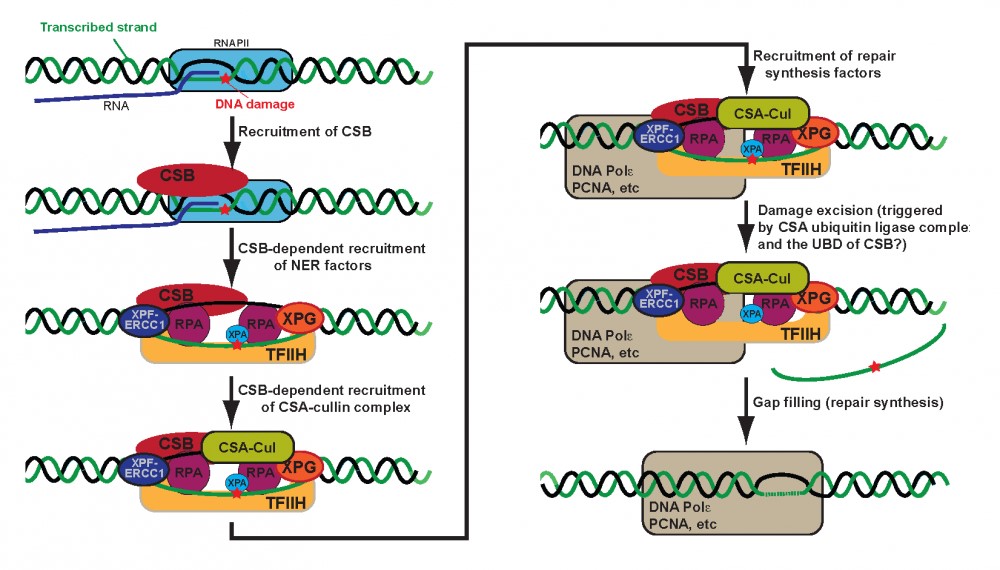
Jesper Qualmann Svejstrup is a Professor at the Department of Cellular and Molecular Medicine within the Faculty of Health and Medical Sciences at the University of Copenhagen. His research group focuses on the molecular mechanisms of transcription and its interface with other DNA-related processes including DNA repair, replication, and recombination. He maintains an active research profile with numerous publications and leads the Svejstrup Research Group. Dr. Svejstrup earned his PhD in Molecular Biology from Aarhus University in 1993. He has held external positions including Visiting Scientist at The Francis Crick Institute since September 2020, demonstrating his international research collaborations and standing in the scientific community. Professor Svejstrup's research primarily investigates how transcription interfaces with DNA repair mechanisms, particularly transcription-coupled nucleotide excision repair (TC-NER). His laboratory studies the mechanisms of transcription with emphasis on transcript elongation in human cells, using biochemical, genetic, and cell biological techniques. A significant portion of his work focuses on how damage-stalled RNA polymerase II triggers DNA repair pathways and how transcription-associated genome instability occurs. His research has important implications for understanding cancer mechanisms where genome instability and deregulated gene expression are hallmarks. Analysis of his recent publications reveals a strong focus on RNA polymerase II mechanisms, transcription termination, DNA damage response, and repair pathways. His work spans from fundamental transcription mechanisms to applied research on genome instability. The research increasingly incorporates RNA biology, particularly examining how DNA damage affects mRNA splicing, termination, and RNA processing more broadly. Fellow (2009) Professor Svejstrup's work involves extensive collaboration across multiple institutions and countries. His research group employs a diverse range of techniques including reconstitution biochemistry, proteomics, genomics, and cell biological screening methods. He has secured funding for investigations into transcription-coupled repair mechanisms, RNA polymerase II ubiquitylation, and the interface between transcription and DNA repair pathways. The Svejstrup Research Group operates within the Transcription, RNA, and Gene Medicine Program at the University of Copenhagen, maintaining strong connections with international research centers including The Francis Crick Institute. The group utilizes advanced methodologies such as quantitative SILAC proteomics, ChIP-Seq, RNA-Seq, CLIP-Seq, 4SU-Seq, and DRB/GRO-Seq to investigate transcriptional responses to DNA damage at the genome-wide level.
Peter Garred is a Clinical Professor at the Department of Clinical Medicine, University of Copenhagen, and a Consultant at the Department of Clinical Immunology, Rigshospitalet, Copenhagen University Hospital. He also holds the position of Chair Professor in Clinical Molecular Medicine at the Department of Clinical Medicine, University of Copenhagen. Professor Garred has extensive experience in research leadership and education with deep insights into basic, translational, and clinical research. He leads a research group at Rigshospitalet and has dedicated the past 20 years to understanding the structure and molecular genetics of the complement system, particularly focusing on the lectin pathway. His research spans molecular characterization of complement components to clinical applications in infectious diseases and inflammatory conditions. His research interests include Immunology, Complement System, Molecular Medicine, Clinical Immunology, Lectin Pathway, Genetics, Host Defense Mechanisms, and Innate Immunity. Professor Garred's work bridges fundamental molecular research with clinical applications, contributing significantly to our understanding of immune system function in health and disease. Analysis of his recent publications (2023-2025) reveals a strong focus on the complement system's role in various disease contexts including infectious diseases (particularly related to SARS-CoV-2), reproductive immunology, kidney and bladder infections, and inflammatory responses. His research employs diverse methodologies from molecular characterization to clinical cohort studies and has resulted in 285 publications. Therapeutic Targeting of the Complement System: From Rare Diseases to Pandemics (2021) Complement Nomenclature-Deconvoluted (2019) Pentraxins in Complement Activation and Regulation (2018) Professor Garred maintains a large network of scientists and clinicians at local, national, and international levels. His research group at Rigshospitalet has secured funding for studies on the complement system and its clinical implications, working closely with both academic and clinical partners to advance understanding of the complement system's role in health and disease. The research group operates within the Department of Clinical Immunology at Rigshospitalet, utilizing advanced laboratory facilities for protein characterization, genetic analysis, and clinical sample processing. Their work continues to make significant contributions to both basic immunological understanding and potential clinical applications.
Jason Kuehner is an Associate Professor of Biology at Emmanuel College in Boston, Massachusetts. His work focuses on molecular biology with particular expertise in gene regulation and cellular stress responses. Dr. Kuehner teaches a comprehensive range of biology courses including Introduction to Cellular and Molecular Biology, Genetics, Molecular Biology, and Biology Senior Seminar, emphasizing the integration of research into undergraduate education. Dr. Kuehner received his B.A. in Biochemistry and Molecular Biology (summa cum laude) with a minor in Psychology from Cornell College in Mount Vernon, Iowa. He earned his Ph.D. in Cellular and Molecular Biology from the University of Wisconsin, Madison, and completed an NIH/NIGMS K12 (IRACDA) Postdoctoral Fellowship at Tufts University School of Medicine, which shaped his dual commitment to research and teaching. Dr. Kuehner's research program investigates transcription regulation mechanisms in eukaryotes, with particular focus on RNA Polymerase II transcription termination and premature transcription termination (attenuation) in yeast. His work has revealed important insights into how cells regulate gene expression through transcriptional mechanisms, with implications for understanding DNA repair processes and cellular stress responses. The research demonstrates that attenuation is more widespread than previously thought, occurring at 10-15% of mRNA genes in yeast and higher eukaryotes. His lab employs molecular biology, genetics, biochemistry, and bioinformatics approaches to dissect transcription stop signals and discover mutants that alter recognition. Dr. Kuehner has received numerous scientific awards including the Emmanuel College Faculty Excellent in Teaching Award (2018), HHMI Teaching Fellow (2006), and NIH/NIGMS K12 Postdoctoral Fellowship (2008-2011). His research has been supported by significant external funding including an NSF Research in Undergraduate Institutions (NSF-RUI) Grant (2022-2025, $372,026) and multiple student research grants from Tri-Beta and Sigma Xi honor societies. Emmanuel College Faculty Excellent in Teaching Award (2018) National Science Foundation Research in Undergraduate Institutions Grant ($372,026) HHMI Teaching Fellow in Classroom Teaching and Mentoring (2006) NIH/NIGMS K12 Postdoctoral Fellowship (2008-2011) Dr. Kuehner is deeply committed to undergraduate research mentorship, having supervised numerous students who have co-authored publications and presented at national conferences. His lab provides authentic research experiences that have led to multiple student awards including the Frank G. Brooks Award and Emmanuel College Hakim Scholarship. He has successfully integrated research into core undergraduate biology laboratory courses, extending research experiences to approximately 50 additional students annually. Kuehner lab alumni have pursued successful careers in research (academia, industry), health care (PA, NP, RN), and government. The Kuehner Lab employs a multidisciplinary approach combining molecular biology (PCR, Gibson cloning), genetics (mutagenesis, CRISPR), biochemistry (lacZ reporter assays), and bioinformatics. This integrated methodology allows the lab to identify transcriptional attenuators, characterize their RNA-binding elements, and determine the protein recognition factors involved. The research has important implications for understanding eukaryotic gene regulation more broadly, as many of these mechanisms are conserved across species, including humans.
Anne Siegel is a CNRS Research Director based at IRISA (Institute for Research in Computer Science and Random Systems), affiliated with the University of Rennes and CNRS. She currently serves as a Scientific Officer at CNRS Informatics (INS2I), overseeing the transversal mission for gender equality, having previously served as Deputy Scientific Director from 2021 to 2025. Her research focuses on the intersection of computer science and biology, particularly in developing symbolic methods for knowledge representation and integration to analyze large-scale biological systems. Former student of ENS Lyon Associate professor of mathematics Doctor of mathematics from the University of Aix-Marseille (2000) Joined CNRS in 2002 Research Director position since 2010 Anne Siegel's research spans the interface between computer science and biology, with particular emphasis on symbolic approaches to knowledge representation and integration for analyzing large-scale biological networks. Her early work focused on mathematics-computer science interfaces through the study of symbolic dynamic systems. She then transitioned to biology-computer science interfaces, developing methods to analyze metabolic networks of organisms including macro-algae. Her current research contributes to various scientific projects focusing on methods for modeling the metabolism of organisms in interaction with their microbiota. She has made significant contributions to bioinformatics, systems biology, and computational modeling of biological processes. Her publication record demonstrates a strong focus on developing computational methods for biological network analysis, particularly in metabolic modeling and logical signaling networks. The research trends show a consistent pattern of interdisciplinary work combining mathematical rigor with biological applications, with a recent emphasis on microbial communities, metabolic modeling, and the development of computational tools for systems biology. Her work often involves collaborations across multiple institutions and countries, reflecting the interdisciplinary nature of her research. Best paper award (CMSB 2012) Active involvement in gender equality initiatives in science Anne Siegel has supervised numerous PhD students and researchers throughout her career, with a particular focus on interdisciplinary projects at the interface of computer science and biology. Her leadership roles have included creating and leading the Dyliss team (bioinformatics, systems biology) within IRISA laboratory (2012-2019), and serving as head of the 'Data and Knowledge Management' department (2019-2021). She has been actively involved in multiple research projects funded by institutions including ANR, Inria, and CNRS, with focus areas spanning from algal metabolism to plant microbiomes and fermented products. She has been instrumental in establishing and leading the Dyliss team at IRISA, which focuses on bioinformatics and systems biology. Her leadership extends to national committees including the CNRS National Committee and the Inria Evaluation Committee. She has also played a key role in gender equality initiatives within CNRS Informatics, contributing to the creation of the transversal parity-equality mission.
Dr. Bruce McNaughton is a Professor at the University of Lethbridge affiliated with the Canadian Centre for Behavioural Neuroscience (CCBN), where he directs the Polaris Brain Dynamics research group. His work pioneers advanced neural recording technologies and computational approaches to decode cognitive processes. His academic credentials include: PhD (Cum Laude) in Psychology from Dalhousie University MSc in Biology from Carleton University BSc (Honours, First Class) in Biology from Carleton University McNaughton's research centers on the neural basis of cognition, with emphasis on memory systems, spatial navigation, and synaptic plasticity. He investigates hippocampal-cortical interactions during memory consolidation, neural mechanisms of spatial orientation (including grid/place/head-direction cells), and memory disorders in Alzheimer's disease and epilepsy. His lab pioneers high-density electrophysiology and optical imaging at cellular resolution to study network dynamics in behaving animals. Analysis of his 2005-2008 publications reveals three dominant themes: (1) memory trace reactivation during rest/sleep and its role in consolidation, (2) spatial coding mechanisms in hippocampal-entorhinal networks, and (3) methodological innovations in neural recording/data analysis. His work consistently bridges computational theory with experimental neuroscience to explain cognitive phenomena at the circuit level. Key recognitions include: Polaris Award ($20M/10 year) Personnel awards from Alberta Innovates – Health Solutions He actively mentors 14 trainees (6 postdocs, 8 graduate students) and has guided over 30 successful researchers throughout his career. Major funding sources include NSERC, the European Commission, and the $20M Polaris Award supporting his preclinical Alzheimer's research and neural technology development. The Polaris Brain Dynamics group within CCBN focuses on scaling advanced neural imaging techniques, developing animal models of sporadic Alzheimer's, and creating early seizure detection systems for temporal lobe epilepsy, aiming to expand collaborative neuroscience through open technology platforms.
Dr. Iwona Wojda is a University Professor at the Department of Immunobiology, Institute of Biological Sciences, Faculty of Biology and Biotechnology at Maria Curie-Skłodowska University in Lublin, Poland. She specializes in host-pathogen interactions using the greater wax moth Galleria mellonella as a model organism. Research Focus Professor Wojda's research centers on: Immunological imprinting in insects Innate immunity mechanisms Host responses to bacterial/fungal pathogens Role of metalloproteinases and their inhibitors Thermal stress effects on immune systems Her work with pathogens like Bacillus thuringiensis , Beauveria bassiana , and Candida albicans has advanced understanding of invertebrate immune memory and defense dynamics. Scientific Contributions Key contributions include: Elucidating immune priming mechanisms Investigating phenoloxidase activity regulation Studying ricin's molecular toxicity pathways Characterizing peptidoglycan recognition proteins
Helle Smidt Mogensen is a Researcher and Forensic Geneticist at the Section of Forensic Genetics within the Department of Forensic Medicine, Faculty of Health and Medical Sciences, University of Copenhagen. Employed since 1997, she has served as Laboratory Manager for the STR laboratory since 1998, overseeing critical forensic DNA analysis operations. Her academic credentials include: Master of Science (Cand. scient.) in Biochemistry with neuropharmacology specialization (1993) PhD thesis: "Quantitation of glutamate receptor subunit mRNAs in primary neuronal cultures: A comparative study of cultured mouse and rat cerebellar granule cells" (1997) Mogensen's research centers on STR typing of biological traces , interpretation of complex STR results , and next-generation sequencing applications in forensic genetics . Her work bridges molecular biology, statistical modeling, and practical forensic investigation, significantly enhancing DNA evidence reliability in criminal cases through rigorous methodological development. Analysis of her 2022-2026 publications reveals dominant trends in Y-STR paternal lineage identification, SNP genotyping via advanced statistical models, and optimization of DNA extraction from challenging samples like telogen hair. Her research consistently integrates computational approaches with laboratory validation, addressing critical gaps in forensic DNA interpretation for complex mixtures and low-template samples. Mogensen actively participates in international collaborative research and forensic laboratory proficiency initiatives. Her professional development includes extensive leadership training (2010-2014), specialized forensic genetics coursework, and technical certifications in DNA analysis instrumentation and software systems. As STR Laboratory Manager, she directs forensic casework analysis and reference sample processing while pioneering next-generation sequencing adoption. Her team maintains ISO/IEC 17025 accreditation standards and contributes to international forensic genetics guidelines through method validation studies and interlaboratory exercises.
Quan Shi is a Postdoctoral Research Fellow in the Department of Biology within the Faculty of Science at the University of Copenhagen, specializing in Genome Research and Molecular Biomedicine. Based at Universitetsparken 5, Copenhagen, their work bridges computational biology and experimental genomics. Research focuses on single-cell and spatial transcriptomics , with emphasis on liver development, regeneration, and bioinformatics tool development. Key methodologies include single-nucleus RNA sequencing, spatiotemporal mapping of biological processes, and novel data format design. Recent work demonstrates expertise in mouse model systems for studying pluripotency and organ regeneration. Publications reveal strong trends in integrative genomics , particularly the development of computational frameworks (e.g., FASTQ+ format) alongside deep biological investigations of liver homeostasis. Work spans both tool-oriented bioinformatics and mechanistic studies of developmental processes. No scientific awards or formal student supervision roles are documented in the provided materials. Research appears conducted within collaborative networks, as evidenced by multi-author publications in high-impact journals including Nature Genetics and Bioinformatics .
Dr. Andrew C. Hsieh is a distinguished physician-scientist holding dual appointments at Fred Hutch Cancer Center and University of Washington. At Fred Hutch, he serves as Professor and Associate Director of the Human Biology Division, Professor of the Clinical Research Division, and maintains a professorship in the Division of Hematology and Oncology at the University of Washington School of Medicine. His clinical practice focuses on genitourinary cancers at Fred Hutch Cancer Center at UW Medical Center – Montlake, where he treats patients with prostate and bladder cancers while balancing clinical care with laboratory research. Dr. Hsieh earned his medical degree from Albert Einstein College of Medicine and completed both residency and fellowship training at University of California, San Francisco. He is board-certified in Medical Oncology and Internal Medicine by the American Board of Internal Medicine. His educational background provided the foundation for his dual career path as both clinician and researcher, allowing him to bridge discoveries from bench to bedside. Dr. Hsieh's research program centers on understanding how cancer cells hijack protein synthesis mechanisms to drive tumor growth and progression. The Hsieh laboratory investigates the deregulation of protein synthesis control in epithelial cells during the multi-step process of tumor initiation and progression, with particular emphasis on prostate and bladder cancers. His team aims to merge fundamental discoveries in translational control biology with the clinical needs of cancer patients, developing novel therapeutic approaches that selectively target cancer-specific protein synthesis pathways while sparing normal cells. This work has significant implications for overcoming therapy resistance in advanced cancers. Analysis of Dr. Hsieh's extensive publication record reveals a consistent research trajectory focused on translational control mechanisms in cancer biology. His work spans from basic molecular mechanisms of protein synthesis regulation to clinical applications in cancer treatment, with an increasing emphasis on precision medicine approaches for genitourinary malignancies. Key research themes include understanding therapy resistance mechanisms, identifying novel druggable targets in protein synthesis pathways, and developing biomarker-driven treatment strategies for prostate and bladder cancers. His collaborative approach is evident in numerous multidisciplinary studies involving clinical data analysis, molecular biology techniques, and translational research methodologies. $1 million grant for London-Seattle collaboration to develop new therapies for drug-resistant prostate cancer Multiple high-impact publications in journals including Nature, Cell, Cancer Cell, and Nature Communications Active participation in clinical trials for novel cancer therapeutics Recognition as a leading expert in translational control mechanisms in cancer As a physician-scientist, Dr. Hsieh mentors numerous trainees and collaborates extensively with both basic science and clinical researchers. His laboratory at Fred Hutch employs a multidisciplinary approach that integrates molecular biology, genomics, and clinical research to address fundamental questions about how cancer cells co-opt protein synthesis machinery. The Hsieh lab has developed innovative methodologies including CRISPR screening approaches to understand RNA-binding proteins in cancer, and has pioneered research on how transcriptional-translational conflicts serve as barriers to cellular transformation. Dr. Hsieh's commitment to translating basic discoveries into clinical applications is evident in his active involvement in clinical trials and his focus on developing novel therapeutic strategies for patients with advanced genitourinary cancers.
Sarah Annesley serves as a Senior Research Fellow in the Department of Microbiology, Anatomy, Physiology and Pharmacology at La Trobe University, Melbourne, Australia. She leads the Molecular Cell Biology Group with continuous academic appointments since 2005, progressing from Level A Research Fellow to her current Level C Senior Research Fellow position. Her work bridges fundamental cell biology with clinical applications through extensive collaborations with medical research foundations. Dr. Annesley's research focuses on neurological disease mechanisms with primary emphasis on Parkinson's Disease (PD), Myalgic Encephalomyelitis/Chronic Fatigue Syndrome (ME/CFS), and Long-COVID. Her laboratory investigates metabolic changes, immune dysfunction, gut microbiota interactions, gene expression alterations, and epigenetic modifications to identify diagnostic biomarkers and therapeutic targets. Notably, her team aims to develop the first diagnostic tests for ME/CFS and Long-COVID using blood-based biomarkers, while also enabling early PD detection before clinical symptoms manifest. Analysis of her 15 most recent publications reveals strong interdisciplinary focus spanning immunology, neuroscience, and molecular biology. Key trends include amyloid aggregation in post-viral syndromes, kynurenine pathway dysregulation in ME/CFS, mitochondrial dysfunction biomarkers, and innovative cellular imaging techniques. Her work consistently employs Dictyostelium discoideum as a model system while validating findings in human lymphoblasts and fibroblasts. Mason Foundation ME/CFS Research Grants (2021-2028) National Institutes of Health (Michael J Fox Foundation) Parkinson's Disease biomarker study (2015-2018) Australian Research Council Discovery Projects on TORC1 signaling (2014-2016) ARC Research Hub for Protected Cropping (2025-2029) Dr. Annesley actively supervises research students through 43 documented projects since 2010, primarily investigating neurological disease mechanisms using Dictyostelium models. Her professional activities include editorial roles for Mitochondria in Health and Disease , committee membership in the Melbourne Discovery Research Network, and frequent peer review for journals including Journal of Cell Science and Cells . She has organized multiple international conferences including the International Dictyostelium Conference and Mason Foundation workshops for ME/CFS biobank development.
Prof. Dr. Ahmed Ghallab is Professor of Toxicology at the Faculty of Veterinary Medicine, South Valley University, Egypt, and Head of the Intravital Toxicology Research Group at the Leibniz Research Centre for Working Environment and Human Factors (IfADo) in Dortmund, Germany. His dual appointments reflect his interdisciplinary work bridging veterinary and human toxicology. Dr. Ghallab earned his Dr. med. vet. from Justus-Liebig-University Gießen in 2013, following a Master's degree (2009) and Bachelor's degree (2006) in Veterinary Medicine from South Valley University. His career progressed from postdoctoral scientist at IfADo (2013) to BMBF-funded Junior Group Leader (2015-2021), Assistant Professor (2018), and finally Professor (2023). His research focuses on intravital toxicology , particularly bile acid metabolism , drug-induced liver injury , and hepatobiliary system pathophysiology. He employs intravital imaging , computational modeling , and molecular techniques to investigate liver-kidney axis interactions, cholestatic diseases, and mechanisms of hepatotoxicity. Analysis of his recent publications (2022-2025) reveals a strong emphasis on bile acid transporters , cholemic nephropathy , liver regeneration , and hepatocellular carcinoma development. His work spans from basic molecular mechanisms to translational applications, including development of novel diagnostic probes and therapeutic strategies targeting bile acid pathways. Dr. Ghallab leads the Intravital Toxicology Research Group at IfADo, where his team conducts cutting-edge research using advanced imaging techniques to study real-time toxicological processes in living organisms. His work has significant implications for understanding drug safety, environmental toxicants, and metabolic diseases affecting the liver and related organ systems.
Marcus Wilhelmsson is a Professor of Chemistry and Biochemistry at Chalmers University of Technology in Gothenburg, Sweden, where he leads a research group focused on developing fluorescent base analogs for DNA and RNA. His work bridges chemistry, biophysics, and molecular biology to create tools for studying nucleic acid structure, dynamics, and protein interactions. His research interests center on nucleic acid chemistry and the development of fluorescent probes for biological applications. Wilhelmsson's group designs novel fluorescent base analogs that enable researchers to study DNA and RNA structure, dynamics, and interactions with proteins without significantly perturbing the native biomolecules. His work spans chemical synthesis, photophysical characterization, and biological applications of these probes. Analysis of Wilhelmsson's recent publications (2020-2025) reveals a strong focus on developing and applying fluorescent nucleoside analogs for studying RNA structure and dynamics, with particular emphasis on viral RNA (including SARS-CoV-2), microRNA, and RNA-based therapeutics. His research integrates biophysical techniques like optical tweezers, force spectroscopy, and fluorescence lifetime imaging to investigate nucleic acid mechanics and cellular processes. Wilhelmsson actively secures research funding, with current projects including Mechanical Characterisation of Nucleic Acids using Single Molecule Methods (MeCHaNiSM) (2024-2028, EU-funded), Enkelmolykylanalys av RNA-baserade terapier (2023-2026, SSF-funded), and several VR-funded projects on RNA labeling and structure. He has supervised numerous PhD students and postdocs, many of whom appear as co-authors on his publications. Wilhelmsson founded the FB 3 conference series and established the company LanteRNA, demonstrating his commitment to translating basic research into practical applications. His laboratory employs interdisciplinary approaches combining synthetic chemistry, biophysics, and cell biology to develop tools for studying nucleic acids in vitro and in living cells.
Meng-meng Fu is an Assistant Professor in Cell Biology, Development and Physiology. Her research focuses on understanding glial cell functions at molecular, cellular, and organismal levels, particularly in the context of myelination and neurodegenerative diseases. Her lab investigates Golgi outpost microtubule nucleation in oligodendrocytes, mRNA transport mechanisms, and cytoskeletal organization in astrocytes. Current projects include studying leukodystrophies and astrocyte cytoskeletal interactions. Research interests span mechanisms underlying myelination defects, neurodegenerative protein aggregation, and glial cell biology. Recent work explores how genetic mutations in leukodystrophies reveal critical steps in normal myelination and how microglial senescence impacts remyelination. Her lab employs mouse models, biochemical assays, and biophysical techniques to dissect these processes. Key contributions include identifying TPPP's role in microtubule nucleation for myelination and uncovering the necessity of dynein/dynactin for Mbp mRNA transport. Her publications highlight interdisciplinary approaches bridging cell biology and neurological disease mechanisms.