Dana CarrollView profile
Professor
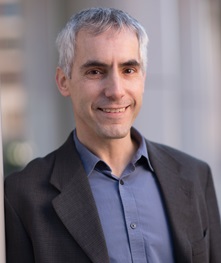
Dana Carroll is a Distinguished Professor in the Department of Biochemistry at the University of Utah's Spencer Fox Eccles School of Medicine, renowned as the "father of the gene-editing revolution" for pioneering zinc-finger nucleases that enabled CRISPR technology. With a 48-year career at the institution, he has shaped genome editing across medicine, agriculture, and basic science. Education: Bachelor's degree from Swarthmore College, Pennsylvania PhD from the University of California, Berkeley Postdoctoral research at Beatson Institute for Cancer Research, Glasgow Postdoctoral research at Carnegie Institution Department of Embryology, Baltimore Research Focus: Carroll's work centers on targetable nucleases (zinc-finger, TALENs, CRISPR/Cas) for precise genome editing in over 200 organisms. His lab optimizes these tools for clinical trials targeting genetic diseases and agricultural improvements in crop nutrition and animal welfare, while actively addressing ethical implications through public discourse and international policy development. Scientific Recognition: National Academy of Sciences membership American Academy of Arts and Sciences Fellowship Novitski Prize (2012) and Sober Lectureship Award (2014) University of Utah Distinguished Innovation Award (2017) Utah Governor’s Medal (2018) and Rosenblatt Prize (2023) Mentorship & Leadership: Carroll supervised 31 graduate/postdoctoral students and served on 125 thesis committees. As Biochemistry Department co-chair (1980s) and sole chair (1998-2009), he recruited Nobel laureates and revitalized the department. His committee service spans 26 university-wide, 50 School of Medicine, and 20 NIH panels, alongside innovating graduate courses on recombinant DNA technology and gene therapy ethics. Current Initiatives: As a Huntsman Cancer Institute member in the Nuclear Control Program, Carroll advances clinical genome editing applications while co-authoring the 2020 international report on heritable human genome editing for the U.S. National Academies and UK Royal Society.