Jennifer CheavensView profile
Professor
- Treatment of Mood and Personality Disorders
- Adaptation of Therapeutic Approaches (e.g., DBT)
- Emotion Regulation
- +4 more
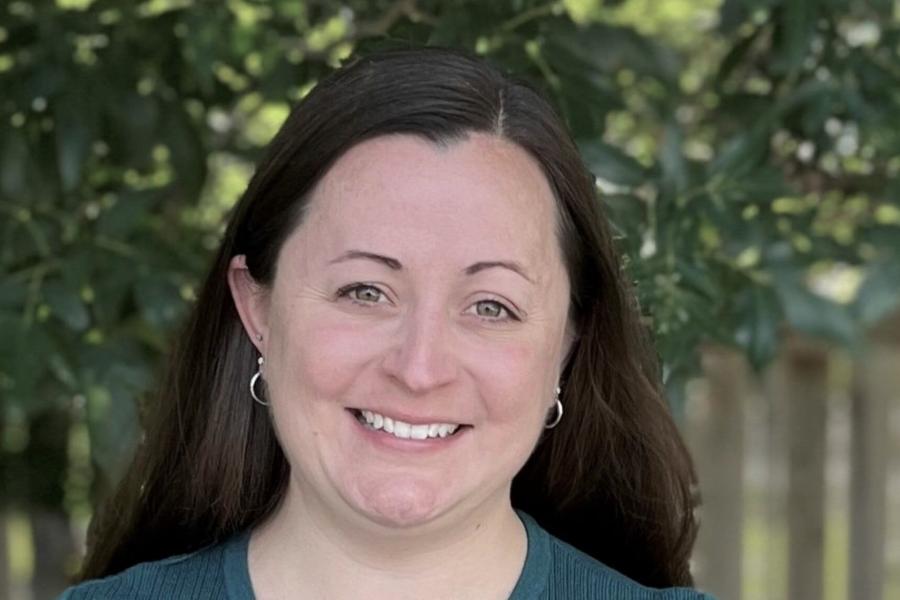
Dr. Jennifer Cheavens is a Professor in Clinical Psychology at The Ohio State University's College of Arts and Sciences, Department of Psychology. She specializes in the treatment of mood and personality disorders, with a focus on adapting therapies like Dialectical Behavior Therapy (DBT) for diverse populations, including older adults. Her research integrates emotion regulation, hope-based interventions, and positive clinical psychology to enhance therapeutic outcomes. Dr. Cheavens has held positions such as the Joan N. Huber Faculty Fellow and received accolades like the Spotlighted Mentor Award for her teaching and mentorship. Her work bridges clinical practice with research, addressing challenges in mental health treatment and promoting resilience through evidence-based approaches. Education: PhD, Clinical Psychology, University of Kansas (2002) MS, Clinical Psychology, Old Dominion University (1996) BS, Psychology, James Madison University (1994) Research Interests: Dr. Cheavens explores how emotion regulation impacts treatment efficacy, particularly in borderline personality disorder and depression. She develops interventions focused on hope, flourishing, and strengths-based approaches, including the "Pathways" program for lung cancer patients. Her work emphasizes translating lessons from high-functioning individuals into clinical settings. Awards and Recognition: 2024 Joan N. Huber Faculty Fellow 2023 Sister Accord Leadership Award 2019 George Vaillant Award 2017 Distinguished Teaching Award Advising and Grants: Dr. Cheavens has mentored numerous students and led initiatives funded by NIMH and other agencies, focusing on diabetes prevention, pain management, and culturally tailored mental health interventions. Labs/Teams: Collaborates with interdisciplinary teams in behavioral medicine, positive psychology, and clinical trials, advancing research in emotion regulation and health disparities.