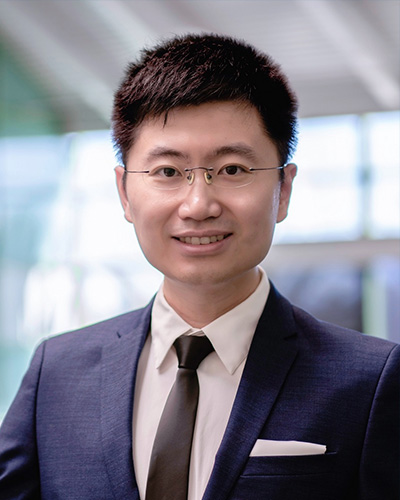
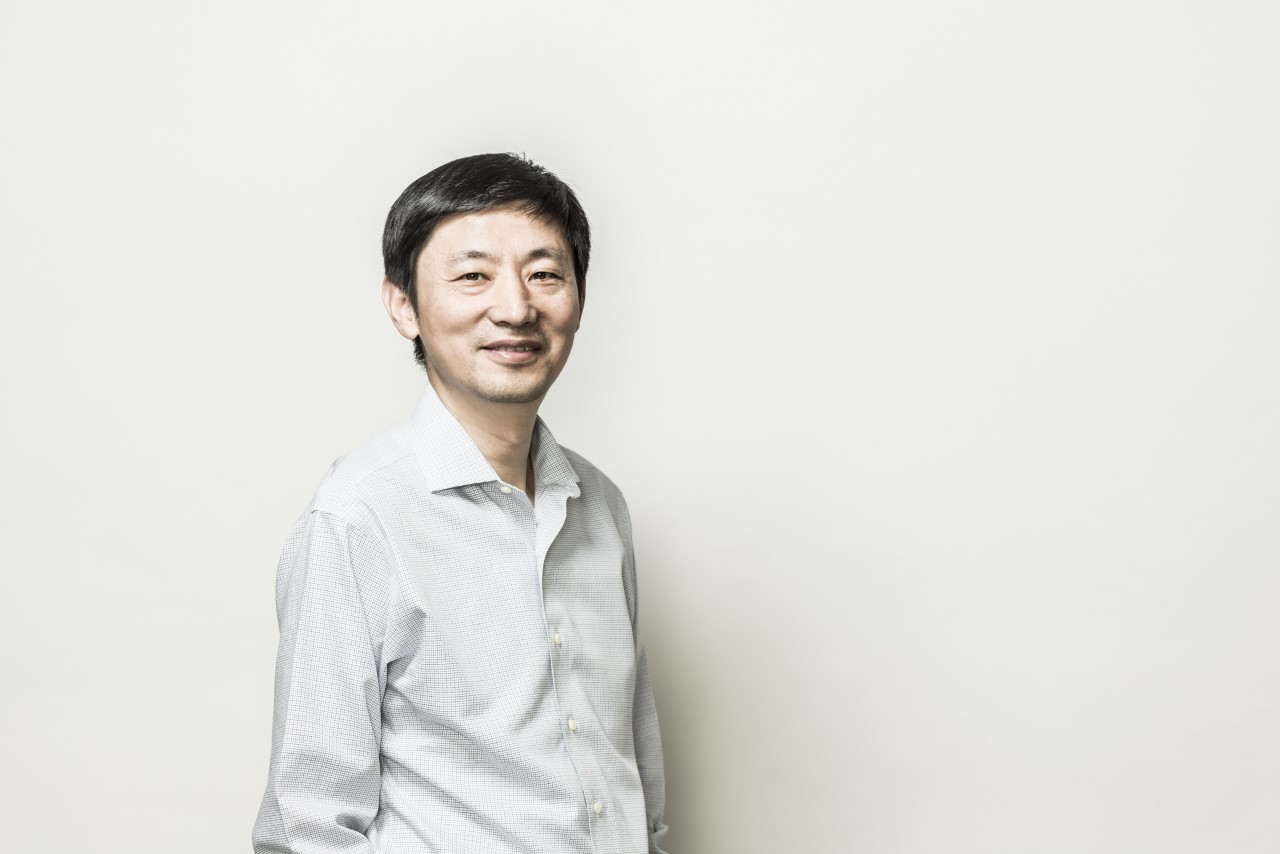
Xilin Liu is an Assistant Professor at the Edward S. Rogers Sr. Department of Electrical & Computer Engineering (University of Toronto) and the Center for Advancing Neurotechnological Innovation to Application (CRANIA) . He obtained his PhD from the University of Pennsylvania and previously worked at Qualcomm Inc. in California. Expertise in integrated circuits and systems for brain-machine interfaces , neuromodulation , and edge AI Published in top venues including Nature Electronics , IEEE JSSC , and ISSCC Recipient of multiple best paper awards and IEEE Senior Member His research spans three main themes: High-speed data converters for wireless/wireline communication IC design for neural interfacing Accelerating machine learning via hardware Recent publications focus on closed-loop neuromodulation , ultra-wideband transceivers , and flexible biomedical sensors . These works integrate analog IC design , edge AI , and real-time neural interfacing across medical rehabilitation , parkinson's monitoring , and memory research . Awards include: IEEE Solid-State Circuits Society Predoctoral Achievement Award (2016) Best Paper Award at BioCAS (2015) ECE Department Teaching Award (2022) Multiple conference best paper finalists His lab collaborates with UHN , EMBS , and global institutions while maintaining strong commitments to equity, diversity, and inclusion (EDI) in research practices.
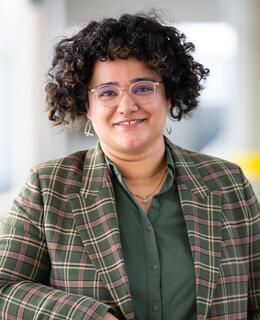
Dr. Zahra Abbasi is an Assistant Professor at the Department of Electrical and Software Engineering, University of Calgary (since 2021), with expertise in designing passive and active RF/microwave sensors for non-invasive real-time detection and monitoring. She holds a PhD in Nanosystems and Microsystems from the University of Alberta (2020) and a postdoctoral fellowship at the Waterloo Microfluidics Lab (University of Waterloo). Her research focuses on sensor systems for environmental, biomedical, and industrial applications, including microfluidic sensing, chipless tags, and wearable devices. Dr. Abbasi’s educational background includes degrees from Iran University of Science & Technology (BSc 2014, MSc 2016) and advanced training in Canada. She chairs IEEE MTT-S/AP committees in Alberta and has received notable awards such as the ASTech Finalist (2024) and Alberta Immigrant Impact Award (2023). Her work emphasizes collaboration across disciplines to address challenges in precision agriculture, healthcare, and environmental monitoring. Her sensor research spans diverse fields: microplastic detection in water, hydrocarbon contamination monitoring, real-time medical diagnostics (e.g., fibrinogen levels), and nutrient assessment in agriculture. Recent advancements include disposable sensors for medical implants and non-invasive hydration tracking for aging populations. Awards Finalist: ASTech Early Career Academic Change Maker (2024) Early Research Excellence Award (Schulich School of Engineering, 2023/2024) Alberta Immigrant Impact Award (2023) Advising & Labs Dr. Abbasi leads the Calgary Sensor Laboratory, fostering innovation in microwave and microfluidic sensor technologies. Her team collaborates on industrial and biomedical projects, emphasizing practical applications of novel sensor designs. While no named advisees are listed, her research group actively engages in multidisciplinary projects.
Dr. Ian Bruce is a Professor in the Department of Electrical and Computer Engineering at McMaster University, Hamilton, ON, Canada. He has been with the department since 2002, conducting interdisciplinary research that bridges electrical engineering with auditory neuroscience. His work has significant implications for hearing technologies and auditory rehabilitation. Education: B.E. (electrical and electronic) from The University of Melbourne (1991) Ph.D. from the Department of Otolaryngology, The University of Melbourne Dr. Bruce's research program focuses on auditory modeling, hearing aids, cochlear implants, tinnitus, neural coding of speech, and digital speech processing. His work centers on understanding the physiological mechanisms of auditory processing and applying this knowledge to develop improved hearing technologies. He has pioneered computational models of the auditory periphery that accurately predict speech intelligibility for hearing-impaired listeners, directly informing hearing aid and cochlear implant design. Analysis of Dr. Bruce's recent publications (2019-2025) reveals a consistent focus on cochlear implants and auditory nerve modeling, with increasing integration of machine learning techniques. His work demonstrates a sophisticated balance between physiological accuracy and computational efficiency, with recent papers exploring WaveNet-based approximations of cochlear models and DNN-based auditory processing. A significant portion of his research examines the relationship between neural responses and perceptual outcomes in hearing-impaired individuals, particularly regarding temporal processing and speech understanding. Scientific Awards and Recognitions: Fellow of the Acoustical Society of America Member of the Association for Research in Otolaryngology Registered Professional Engineer in Ontario Associate Editor of the Journal of the Acoustical Society of America Dr. Bruce has mentored numerous graduate students through various capstone design projects across multiple engineering disciplines including biomedical, electrical, mechanical, and software engineering. His teaching portfolio includes specialized courses in biomedical signals and systems, cellular bioelectricity, models of the neuron, and advanced signal processing. He has consistently supervised M.Eng. projects and independent studies, demonstrating commitment to training the next generation of engineers in auditory technology development. Dr. Bruce's research is conducted within McMaster University's interdisciplinary biomedical engineering framework, collaborating with clinicians and researchers in otolaryngology and audiology. His laboratory work focuses on developing and validating computational models that simulate auditory nerve responses to both natural and prosthetic stimulation, with direct applications to improving cochlear implant performance and hearing aid algorithms for real-world listening environments.
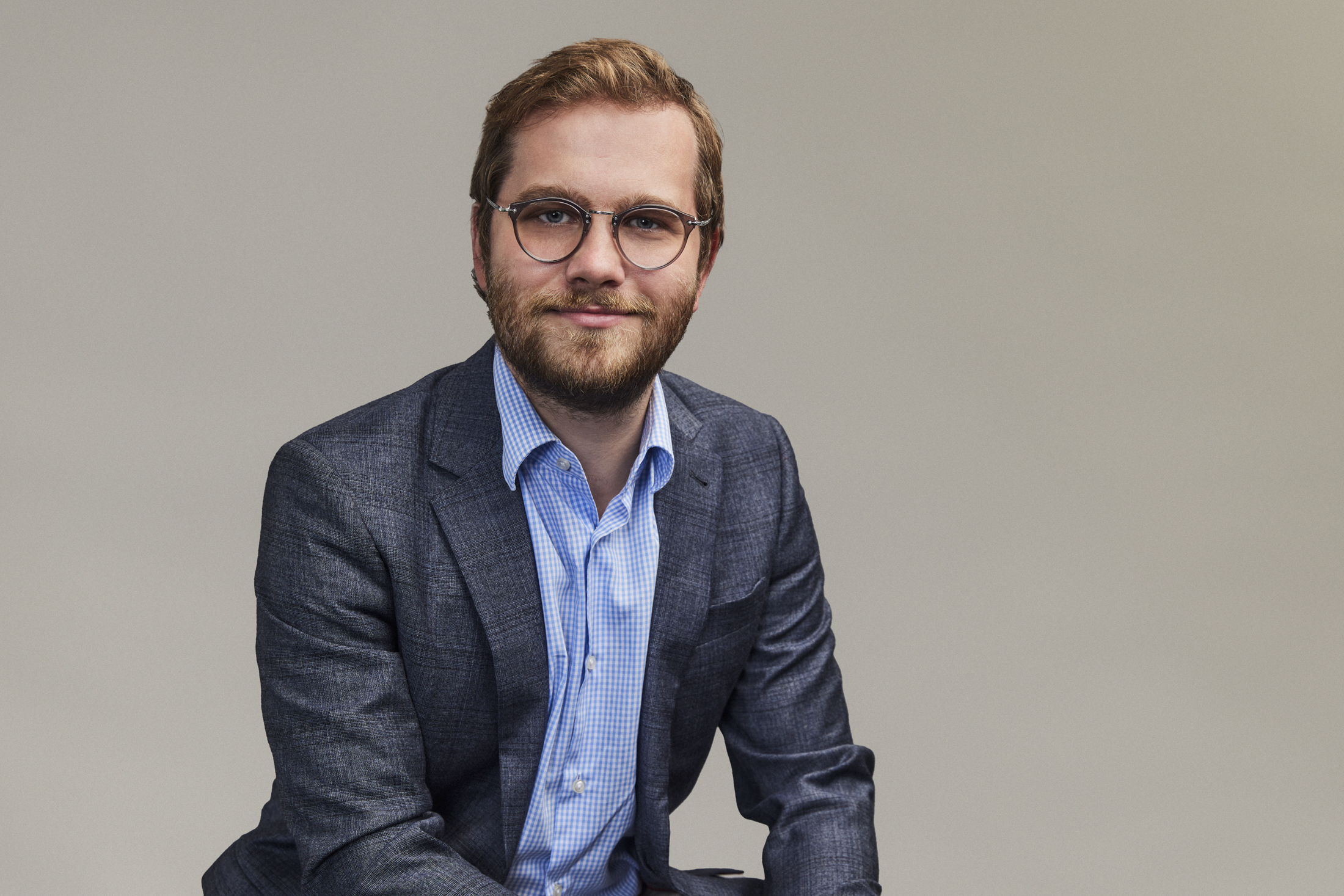
Gerd Grau is an Associate Professor of Electrical Engineering at York University, affiliated with the Lassonde School of Engineering and the Department of Electrical Engineering & Computer Science. He holds a BA and MEng from the University of Cambridge and a PhD from UC Berkeley (2016). His research focuses on semiconductor devices, microfabrication, printed electronics, and additive manufacturing, funded by NSERC, CIHR, Mitacs, and industry partners. He leads the Electronics Additive Manufacturing (E-AM) Lab, which integrates 3D printing and printed electronics for applications in biomedical devices, aerospace, and smart materials. Education: BA and MEng (University of Cambridge), PhD (UC Berkeley, 2016). Research interests include printed transistor devices, carbon fiber composites with integrated sensors, and machine learning optimization for printing processes. His lab houses advanced equipment like 3D printers, micro-inkjet systems, and characterization tools. Grau supervises a dynamic group of graduate and undergraduate students, with former advisees now leading roles in industry and academia. Teaching includes courses on semiconductor physics, nanoelectronics, and printed electronics. The E-AM Lab collaborates with Prof. Garrett Melenka on carbon fiber structural health monitoring and explores novel applications of laser-induced graphene for energy storage and environmental sensors.
Yunyun Wu is an Assistant Professor in the Department of Biomaterials & Applied Oral Sciences and the School of Biomedical Engineering at Dalhousie University. Her research focuses on developing cost-effective, sustainable, and scalable biomaterials and structures for healthcare applications, including eco/bioresorbable electronics, biosensors, and energy storage solutions. Her work emphasizes wearable and implantable devices for health monitoring and disease treatment. Research interests include electroactive biomaterials, biosensors, electronic textiles, and stretchable electronics. Key projects involve skin-interfaced microfluidic biosensors and sewing-based fabrication of bioresorbable electronics. Recent publications highlight innovations in wearable sensors, implantable devices, and textile-based electronics. These contributions address challenges in medical monitoring, energy storage, and biocompatible materials. The Wu Lab actively explores sustainable materials and scalable manufacturing techniques to advance wearable and bioresorbable technologies. No scientific awards are explicitly listed in the provided texts, but her extensive publication record reflects her impactful contributions to biomedical engineering. Advising and grants details are not provided in the current data. The lab’s activities are centered on interdisciplinary approaches to biomedical device development, as detailed on their website (www.yyunwulab.com).
Prof. Kenichi Takahata is a Professor at the University of British Columbia's Department of Electrical & Computer Engineering, with an associate membership in the School of Biomedical Engineering. He holds a PhD from the University of Michigan (2005) and has over 25 years of experience in micro/nanofabrication and MEMS. His research focuses on developing advanced microdevices for biomedical applications, including implantable sensors, smart stents, and wireless drug delivery systems. Education: B.S. Physics (Sophia University, 1990), M.S. and Ph.D. in Electrical Engineering (University of Michigan, 2004/2005). Professional experience includes roles at Panasonic (Japan) and 3M (USA) before joining UBC in 2008. He leads the Takahata Lab, which pioneers innovations in micro/nanofabrication, medical MEMS, and energy harvesting. Research interests span microplasma control, wireless microactuators, and ferrofluid-based micromachines. Over 150 peer-reviewed publications and 10 patents highlight his contributions. His work includes developing the 'smart stent' for real-time vascular monitoring and microendoscopic imaging systems using ferrofluid actuators. Grants include a Canada Research Chair (2008–2018) and NSERC funding. Advising over 50 graduate students, he emphasizes interdisciplinary training across engineering, materials science, and biomedicine. The lab collaborates with industry and hospitals to translate technologies into clinical tools. Labs/Teams: Takahata Lab (UBC Microsystems & Nanotechnology Group), affiliated with the Canadian Institute for Advanced Research (CIFAR) and NSERC CREATE programs.
Jason Gu is a Professor in the Department of Electrical and Computer Engineering at Dalhousie University, cross-appointed to the School of Biomedical Engineering. His research integrates robotics, control systems, and biomedical engineering to develop innovative solutions for mobile robotics, surgical systems, and rehabilitation technologies. His primary research domains include: Robotics : Mobile robotics, surgical robots, rehabilitation assistive devices, wireless control systems, and multi-sensor data fusion. Biomedical Engineering : Artificial eye implant control, medical robotic devices, and rehabilitation technology design. Control Systems : Real-time intelligent control, nonlinear systems theory, and embedded control applications. Alternative Energy : Development of novel energy technologies and systems. Analysis of his recent publications (2023-2025) reveals a strong convergence of AI with robotics, particularly in vision-language models for human-robot interaction, semantic SLAM for dynamic environments, and medical image processing. His work shows increasing emphasis on lightweight algorithms for UAVs, neural interfaces, and energy-efficient control systems for aerospace applications. His distinguished honors include: IEEE Canada President (2020-2021) and President-elect (2018-2019) Fellow of the Engineering Institute of Canada (FEIC) Fellow of the Canadian Academy of Engineering (FCAE) Professional Engineer (PEng) designation Professor Gu leads a dynamic research laboratory developing advanced robotic platforms including the PA10 Portable General-Purpose Intelligent Arm and B21r Mobile Robotic System. His team actively pursues real-world applications in surgical robotics, terrain perception for legged robots, and alternative energy systems through industry-academic partnerships and competitive research grants.
Rob Adamson is a Professor and Acting Director at the School of Biomedical Engineering, Dalhousie University. His research focuses on advanced imaging and therapeutic devices using light and ultrasound, with applications in otology, medical implants, and high-frequency ultrasound systems. He collaborates closely with industry partners to translate research into clinical solutions. His current projects include optical coherence tomography for middle ear imaging, ultrasound-based powering of medical implants, and development of a subcutaneous piezoelectric hearing aid (SPAHA). He leads a lab emphasizing applied engineering solutions, recruiting students in math, physics, and engineering disciplines. Key innovations include a 40-MHz phased-array ultrasound transducer for endoscopic imaging and a novel transcutaneous energy transmission system. His work bridges fundamental engineering principles with clinical needs, addressing challenges like long-range imaging in the ear and efficient power delivery to implants. Adamson has pioneered high-frequency ultrasound technologies for ear imaging and co-founded Daxsonics Ultrasound Inc. to commercialize advancements. His research emphasizes miniaturization, beamforming algorithms, and material science for medical devices.
Professor Peter Lian is a faculty member in the Department of Electrical Engineering & Computer Science at York University's Lassonde School of Engineering. He holds prestigious fellowships from IEEE, Canadian Academy of Engineering, and Singapore Academy of Engineering. His research focuses on biomedical circuits, low-power systems, and embedded AI for IoT sensors. He has served in numerous leadership roles within IEEE, including IEEE Board of Directors (2024-2025) and President of the IEEE Circuits and Systems Society (2018-2021). Education: B.Sc., College of Economics & Management, Shanghai JiaoTong University (1984) Ph.D., Electrical Engineering, National University of Singapore (1994) Research Interests: Specializes in wearable/implantable biomedical sensors, ultra-low-power circuits, event-driven sensor systems, and embedded AI. His work bridges biomedical engineering with low-power electronics design. Awards Summary: 2023 IEEE Mac Van Valkenburg Award for biomedical systems leadership 2023 Best Paper Award for cardiac arrhythmia classifier research 1996 IEEE Guillemin-Cauer Award for digital filter design Advising & Grants: Advised over 20 graduate students whose work received 30+ awards including IEEE grants. Active in mentoring student research teams in low-power biomedical systems and IoT sensor design. Labs & Collaborations: Leads research initiatives in biomedical circuits and energy-efficient systems, collaborating with industry on wearable health monitoring technologies.
Mohamed Basha is an Adjunct Associate Professor at the University of Waterloo, specializing in advanced antenna design, MEMS technology, and millimeter-wave systems. His research focuses on integrating silicon-on-glass (SOG) and 3D-printed materials to develop innovative solutions in radar sensors, high-frequency antennas, and optical MEMS. Basha has contributed significantly to fields such as FMCW radar characterization, resonant MEMS mirrors, and tunable permittivity sensors. His work spans applications in aerospace, biomedical engineering, and telecommunications, with a particular emphasis on improving antenna efficiency, sensor sensitivity, and system miniaturization. Key contributions include the development of quasi-optical mirrors for space routing, contactless dielectric waveguide probes, and low-loss silicon-based THz platforms. Basha’s recent research trends highlight advancements in deep learning-assisted radar imaging, 3D-printed dielectric antennas, and tunable phase shifter technologies for sub-millimeter wave and terahertz applications. His interdisciplinary approach bridges electrical engineering, materials science, and mechanical design. While no formal awards are listed, his extensive publication record (spanning 2001–2023) underscores his impact in millimeter-wave and THz systems. His work often involves collaborations across academia and industry, though specific grant details are not provided here.
Benoit Gosselin , Professor at Université Laval's Department of Electrical and Computer Engineering and Canada Research Chair in Smart Biomedical Microsystems, specializes in wireless implantable electronics, brain-computer interfaces, and biomedical microsystems. He leads the Biomedical Microsystems Lab at CERVO Brain Research Centre. Education : Ph.D. in Electrical Engineering (École Polytechnique de Montréal, 2009), NSERC Postdoctoral Fellow (Georgia Institute of Technology, 2010) Research Focus : Development of wireless electro-optic platforms for neural monitoring, optogenetics, and closed-loop applications, with emphasis on CMOS circuits, energy harvesting, and multimodal biosensors. Recent Publications highlight advancements in implantable neural probes with embedded micropumps, ultra-compact UWB transmitters for neural implants, and wearable biosensors leveraging machine learning for gesture recognition and pain management. His work bridges microelectronics, neuroscience, and personalized healthcare. Scientific Awards : Fellow of the Canadian Academy of Engineering (2020) Génie Innovation Prize (Order of Engineers of Quebec, 2019) NSERC Brockhouse Canada Prize (2018) Collaborations with Doric Lenses Inc. led to commercialization of wireless optogenetics platforms. He serves as Associate Editor of IEEE Transactions on Biomedical Circuits and Systems and founded the IEEE CAS/EMB Quebec Chapter.
Dr. Virgilio Valente serves as an Assistant Professor in the Department of Electrical, Computer and Biomedical Engineering within Toronto Metropolitan University's Faculty of Engineering and Architectural Science. His research focuses on miniaturized wireless medical sensors for continuous remote health monitoring and future autonomous microintervention systems. His educational background includes a BSc from the University of York (2004), MSc from Aalborg University (2006), and PhD from University College London (2011). Research interests span bioelectronics, biotelemetry, Bio-MEMS, analog/mixed-mode IC design, and wireless biosensors, with emphasis on enabling continuous health monitoring and targeted therapies through grain-of-rice-scale autonomous systems. His recent publications reveal strong focus on wireless power transfer , implantable sensor interfaces , and energy-efficient circuit design for biomedical applications, with consistent contributions to IEEE journals on biotelemetry systems and microelectronics. Research trends show progression from fundamental circuit design toward integrated bidirectional bioelectronic interfaces. Senior Member, IEEE (2020) EPSRC i-sense Mobility Fellowship (2016) Best Poster Award, UCL Cullen Prize (2008) Actively supervises graduate students in biomedical engineering research, teaching courses including EES 604 (Electronics and Sensors) and BME 804 (Design of Bio-MEMS). Serves on IEEE Biomedical Circuits and Systems Technical Committee and as Track Chair for IEEE APCCAS 2019. His lab (WisLab) develops wireless biosensors for remote diagnostics and microintervention systems, with vision toward autonomous in-body therapies for controlled drug release and microsurgery.
Daniel Franklin is an Assistant Professor in the Institute of Biomedical Engineering at the University of Toronto's Faculty of Applied Science and Engineering. He holds the Ted Rogers Chair in Cardiovascular Engineering at the Ted Rogers Centre for Heart Failure and is affiliated with the Translational Biology & Engineering Program (TBEP). Dr. Franklin's research focuses on the intersection of optics, engineering, and biology to develop next-generation medical technologies. His lab specializes in: Wearable health devices for advanced hemodynamic monitoring (blood pressure, cardiac output, systemic vascular resistance) Wireless implants for physiological monitoring and closed-loop stimuli/feedback Novel materials like liquid crystal for bioresorbable temperature sensors Applications in fundamental understanding of heart disease and commercial health telemetry Dr. Franklin's work has resulted in significant publications including research in Nature Biomedical Engineering, Science Advances, and Physiological Measurement, with findings highlighted by major media outlets including Forbes, Wired, and the World Economic Forum. His scientific achievements have been recognized with prestigious awards: Baxter Young Investigator Award Displaying Futures Award from Merck KGaA, Germany Connaught New Researcher Award from the University of Toronto Dr. Franklin actively mentors graduate students and has secured numerous competitive grants including NSERC Discovery Grants, CIHR Project Grants, and Canadian Foundation for Innovation awards. His lab partners with industry-leading semiconductor manufacturers and hospitals to develop and leverage new sensor technologies for clinical translation. The Franklin Research Lab (FRL) is a multidisciplinary team dedicated to exploring bioelectronic and biophotonic systems to shed light on unexplored aspects of human physiology. The lab's work combines fundamental science with practical applications for medical device commercialization.