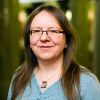
Dimitra Fimi is Professor of Fantasy and Children’s Literature at the University of Glasgow , where she co-directs the Centre for Fantasy and the Fantastic . She is a leading Tolkien scholar and expert in fantasy literature, with a particular focus on mythopoeia, medievalism, and Celtic influences. Key affiliations: University of Glasgow, Centre for Fantasy and the Fantastic, Perspectives on Fantasy book series Her research explores: Tolkien’s myth-making and linguistic creativity Celtic myth in modern fantasy Historical intersections between fantasy and academia World-building methodologies Racial and cultural discourse in fantasy Recent publications analyze Sir Gawain chronology, The Gnomobile , and fantasy languages. She has contributed to BBC’s Bargain Hunt and TLS, and co-edited Realms of Imagination for the British Library exhibition. Major awards: Mythopoeic Scholarship Award (Inklings Studies, 2010) Tolkien Society Award (Best Book, 2017) Mythopoeic Scholarship Award (Myth and Fantasy Studies, 2019) Tolkien Society Outstanding Contribution Award (2021) Active in public engagement, she curated the Tiny Treasures miniature book exhibition and contributes to podcasts, documentaries, and media discussions on fantasy literature.
Dr. Marie Busfield is a Senior Lecturer in the Department of Geography and Earth Sciences at Aberystwyth University. Her research focuses on glacial geology, sedimentology, and geomorphology, with fieldwork in Namibia, the European Alps, South Australia, and the western US. Key areas include debris-covered glaciers, subglacial bedform analysis, Snowball Earth studies, and geoheritage promotion. She holds a PhD in Earth Sciences from Royal Holloway, University of London, and a MGeol from the University of Leicester. Research Interests: - Debris-covered glaciers and high mountain landscapes - Subglacial bedforms in ancient ice streams (e.g., Ordovician and Late Palaeozoic) - Cryogenian and Paleoproterozoic glaciation analysis - Geoheritage conservation and geotourism development Recipient of Gwobr Adnodd Cyfrwng Cymraeg (2020) and Gwobr Goffa Eilir Hedd Morgan (2019) Editorial roles: Proceedings of the Geologists' Association , Frontiers in Earth Science , and Scientific Reports Recent projects include: Subglacial bedform analysis in South Africa (grounding zone wedge studies) Modern Alpine glacier dynamics at Gepatsch Glacier, Austria Cryogenian glacial records in Death Valley and Namibia Labs/Teams: Collaborates with researchers like Dr. David Le Heron and Prof. Christian Kettler on glacial sedimentology and geomorphology. Active in Welsh geoheritage initiatives through projects like CUPHAT (Coastal Uplands Heritage and Tourism).
Dr. Mo El-Haj is a Reader (Associate Professor) in Natural Language Processing (NLP) at the College of Engineering & Computer Science, VinUniversity, Hanoi, Vietnam, and holds a visiting role at Lancaster University. He specializes in NLP with a focus on Financial NLP, Arabic NLP, and multilingual systems for under-resourced languages. Education: PhD in Computer Science (University of Essex, 2012), MSc in Information Systems (University of Jordan, 2008), BSc in Computer Information Systems (University of Jordan, 2005). Awards include the FHEA Fellowship (2021) and the 2016 BBC NewsHack Best Tool award. Research interests include text summarization, financial narrative processing, biomedical NLP, and corpus linguistics. He leads the VinNLP research group and has supervised/co-supervised over 20 PhD students. Notable projects include the Welsh Automatic Text Summarisation tool (ACC) and the FreeTxt bilingual analysis toolkit, funded by the Welsh Government and AHRC. Publications span 92+ works in top journals/conferences like Computational Linguistics and LREC. Active in organizing workshops (e.g., WACL-4, FinNLP) and has served as external/internal PhD examiner at UK universities.
Florian Haas is a Senior Lecturer in Linguistics at the Institute for English and American Studies , Friedrich Schiller University Jena , where he has taught since 2009 across BA, MA, and teacher training programs. His research focuses on recent morphosyntactic changes in English , contrastive linguistics , typology , and usage-based construction grammar , with a notable Habilitation thesis on the history of human impersonal pronouns in English. Education : PhD in Linguistics (2008, Free University of Berlin, summa cum laude), MA in European Master's Degree in Linguistics (2002), MA in English Studies (2002). His research interests span corpus-driven analysis of language change, cross-linguistic contrasts (particularly English-German), and cognitive approaches to grammar. His publications emphasize diachronic shifts in pronouns, genre-specific linguistic patterns, and constructionist analyses of syntax. He has supervised numerous student theses on topics like political framing, bilingualism, and sociolinguistic variation in English. Academic service includes roles as Erasmus coordinator, reviewer for journals like Journal of Pragmatics , and memberships in societies such as the Association for Linguistic Typology .
Dr Helen West is a Senior Lecturer in English Language within the Division of Communication, Screen and Performance at the University of Chester's School for the Creative Industries. She serves as a research and knowledge exchange representative for her division and has held significant leadership roles including Single Honours English Language Programme leader (2017-18) and Student Engagement Officer for English (2018-2024). Helen's educational background includes a PhD from the University of York (2009-2013), an MSc and MA (Hons) from the University of Edinburgh (2008-2009 and 2004-2008 respectively), and a PGCert in Learning and Teaching in Higher Education from the University of Chester. She became a Fellow of the Higher Education Academy in 2016. Her research focuses on sociolinguistics, particularly sociophonetics, investigating how social factors like age, gender, and social status influence language and accent. Two major research strands dominate her recent work: the Talking Chester/Cestrian English Project examining Chester's unique linguistic position between Liverpool, Manchester and Welsh English varieties; and The Swift Accent Shift Project analyzing Taylor Swift's accent changes between musical genres to explore connections between accent, stylistic categories, and social-psychological processes. Her methodological approach combines computational, quantitative, and qualitative techniques to study language variation and change. Helen's publication record demonstrates consistent scholarly output with a notable recent focus on contemporary sociophonetic investigations. Her work spans traditional academic formats like book chapters and conference presentations while also engaging with public-facing formats including exhibitions and internet publications. The Taylor Swift research represents an innovative approach to studying real-time accent variation through popular culture, while the Chester dialect project contributes to our understanding of regional identity formation through language. As an educator, Helen teaches across undergraduate and postgraduate programs on topics including sociolinguistics, sociophonetics, phonetics and phonology, child language acquisition, forensic linguistics, language and identity, and language and popular culture. She has developed numerous courses including Forensic Linguistics, Language and Identity, and Topics in Sociophonetics. Her leadership roles have focused on enhancing student engagement through immersive teaching experiences and promoting student-as-partner approaches to learning. Helen actively collaborates through projects like the Talking Chester initiative with Dr Jo Close and has organized significant academic events including the 10th Northern Englishes Workshop and Current and New Methods in Sociolinguistics (CANMIS) conference. She also serves as an External Examiner for Blackpool and The Fylde College and holds membership in professional organizations including the International Phonetic Association and Linguistics Association of Great Britain.
Praboda Rajapaksha is a Lecturer in Health Data Science at Aberystwyth University and a Data Scientist at HDUHB, NHS Wales. She holds a PhD in Computer Science from IP Paris, alongside advanced degrees from AIT (Thailand), IMT (France), and a B.Eng. from the University of Peradeniya, Sri Lanka. With over nine years of research experience, her expertise spans data science, natural language processing, generative AI, machine learning, and digital twin technologies. She leads the UKRI EPSRC-funded 'Portable Luminescent Chemical Compass' project and collaborates on the Welsh Government-funded 'DeepDetect' initiative. Education: PhD (IP Paris), M.Eng (AIT), M.Sc (IMT), B.Eng (Peradeniya) European Projects: ITEA, BPI, Horizon, FUI Her research focuses on applying AI to healthcare delivery transformation via Patient Digital Twins, traffic sensor optimization, and mitigating hallucinations in LLMs for sexism detection. Key areas include emotion analysis in arguments, cross-lingual hate speech detection, and unsupervised video anomaly frameworks. Recent work addresses redundancy reduction in sensor networks and emotion-aware meta-learning models. Scientific Contributions: 14+ peer-reviewed articles (2023-2025), conference proceedings Grants: EPSRC, Welsh Gov, EU initiatives Current projects include developing mobile diagnosis apps for agriculture and advancing IoT-enabled digital twin systems. Her work aligns with UN SDGs for health innovation and sustainable cities.
Prof. Peter Schrijver is a Professor of Celtic and Classics at Utrecht University's Faculty of Humanities, leading the Department of Languages, Literature, and Communication (TLC). His research focuses on historical linguistics, particularly the evolution of Celtic languages and Indo-European studies. Schrijver earned his PhD in Classical Philology from Leiden University (1991) and held academic positions at Ludwig-Maximilians-Universität München before joining Utrecht University in 2005. He has served as vice-dean of the Faculty of Humanities (2015–2020) and director of undergraduate studies for languages and cultures (2007–2014). His work explores language contact, prehistoric linguistic relationships, and the cultural history of Europe. He is an editorial board member of the Journal of Indo-European Studies and frequently delivers invited lectures on topics like Hattic syntax, Celtic origins, and language evolution. His contributions bridge linguistic analysis with archaeological and genetic perspectives, offering insights into prehistoric language dynamics. Research interests include the history of Brittonic and Goidelic languages, substrate influences in Old English, and the linguistic prehistory of Western Europe. He has published extensively on Indo-European phonology, Celtic comparatives, and substrate languages. His recent work examines East Caucasian languages and Neolithic linguistic connections. Schrijver's editorial roles and international collaborations highlight his role in advancing comparative linguistics.
Dr. Catrin Fflur Huws is a Senior Lecturer in Aberystwyth Law School specializing in Welsh language legislation, bilingual legal systems, and interdisciplinary approaches to law. Her research examines language rights in judicial contexts, statutory interpretation in bilingual jurisdictions, and innovative methodologies like legislative theatre to study legal processes. Huws directs projects on court interpretation systems and comparative analysis of linguistic rights frameworks. Her work integrates socio-legal studies with applied linguistics, focusing on practical implementation of language equality in legal settings.
Professor Jerry Hunter is a distinguished academic at Bangor University's School of Welsh, where he has served since 2003 after previous positions at Harvard University and Cardiff University. His career spans both scholarly research and creative writing, establishing him as a leading authority in Welsh-language literature across historical periods. His educational background includes a BA in English from the University of Cincinnati, an MPhil in Welsh from the University of Wales, Aberystwyth, and a PhD in Celtic Languages and Literatures from Harvard University. Hunter's research encompasses the full spectrum of Welsh literary tradition, from medieval texts to contemporary works, with particular expertise in 17th-century conflict literature, American Civil War-era writings by Welsh immigrants, and the intersection of prophecy with historiography. His scholarly approach bridges historical analysis with literary criticism, revealing how Welsh cultural identity has been constructed and expressed through writing across centuries. His recent publications demonstrate consistent scholarly output with a clear trajectory toward increasingly nuanced examinations of Welsh literary responses to historical trauma and social change, particularly focusing on how literature processes collective experiences of conflict and displacement. The 2025 works continue his exploration of foundational Welsh literary figures while expanding into Arthurian traditions. Literature Wales Book of the Year Award (2004) for Llwch Cenhedloedd: Y Cymry a Rhyfel Cartref America National Eisteddfod Prose Medal (2010) for Gwenddydd Gwyn Alf Williams BAFTA Cymru Award for documentary series Cymry Rhyfel Cartref America Multiple shortlistings for Literature Wales Book of the Year Award Hunter has supervised numerous research projects including the recently completed 'Merch Glyndwr (The Lady Speaks in Welsh)' (2022-2024), which examined Owain Glyndŵr's wife through literary and historical lenses. His creative works have extended the reach of Welsh-language writing to broader audiences, including the English translation of Y Fro Dywyll as Dark Territory (2017). His documentary work for S4C has successfully translated academic research into accessible public history programming. As an active researcher and creative writer, Hunter maintains engagement with multiple academic communities through his publications, public lectures including the 2016 J.V. Kelleher Lecture at Harvard, and ongoing contributions to Welsh cultural discourse through platforms like Nation.Cymru.
Dr. Kevin Smith is a Senior Lecturer in Education at Cardiff University's School of Social Sciences. His research focuses on reconceptualist approaches to curriculum and pedagogy, emphasizing dynamic, socially constructed educational processes. He employs methods like currere (autobiographical reflection), narrative analysis, and critical discourse analysis to explore themes such as social justice, decolonization, and climate change in education. His work bridges critical theory, poststructuralism, and post-humanism, with a particular interest in Wales' educational landscape while engaging globally through research in Pacific nations like Tonga and Fiji. Smith's research themes include cultural studies, education policy, and the interplay between place and learning. He has contributed to the development of the Curriculum Cymreig, examining its impact on Welsh identity formation. His blog (blogs.cardiff.ac.uk/drkevinsmith) reflects on contemporary educational challenges, including anti-racist pedagogy and climate crisis responses. He holds a PhD and has taught internationally, combining academic rigor with outdoor activities like long-distance hiking that inform his thinking on place and experiential learning. His external affiliations include ORCID and social media engagement, reflecting a commitment to public scholarship.
Antony Hughes is a Lecturer in the School of Humanities and Social Science at the University of Brighton. His work is aligned with the Research Excellence Group, where he contributes to research on childhood and adolescent development, particularly in the context of literacy and learning difficulties. His research interests center on literacy development, cognitive models of reading, and interventions for dyslexia and Specific Learning Difficulties (SpLDs). He investigates phonological awareness as a key indicator of dyslexia risk and explores how self-paced, computer-based reading programs can improve literacy and behavior in children. His work uniquely combines literacy interventions with psychological approaches such as Cognitive Behavioural Therapy, mindfulness, and music therapy, with a growing interest in music and memory. The analysis of his recent publications reveals a consistent focus on brief, technology-assisted reading interventions that yield rapid improvements in reading ability and behavioral outcomes. These studies highlight the effectiveness of self-paced, computer-based programs in both English and Welsh educational contexts, particularly for children with reading difficulties. Antony Hughes has contributed to academic discourse through publication peer-review for journals such as Learning and Motivation and participation in research workshops like the REG Inspiration Event. These activities reflect his active engagement in the scholarly community. He has served as a peer reviewer and participated in academic workshops, demonstrating commitment to research dissemination and collaboration. While no formal advising or grant information is provided in the text, his collaborative research suggests involvement in team-based educational and psychological research projects.
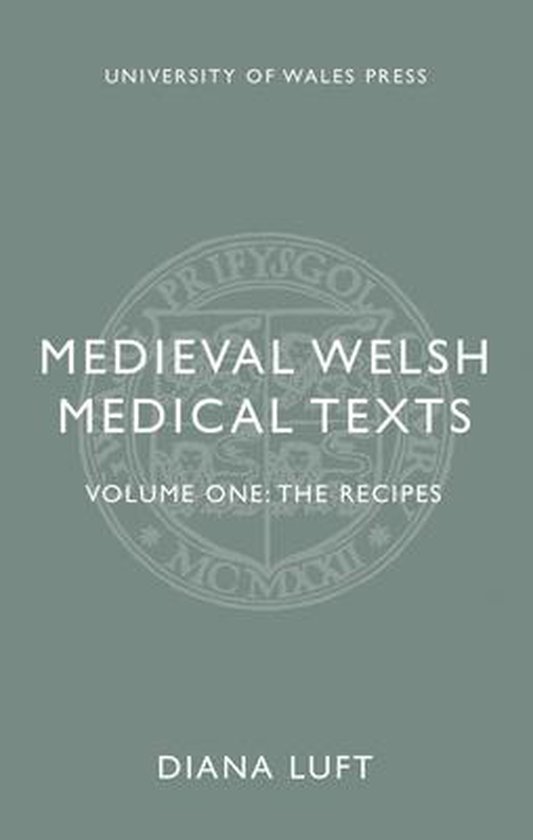
Dr. Brigid Ehrmantraut is a Junior Research Fellow at University of Cambridge ’s St John’s College , specializing in Celtic languages and literature , Classical reception , and medieval intellectual history . She holds a PhD and MPhil in Anglo-Saxon, Norse & Celtic (ASNC) from Cambridge and an AB in Classics from Princeton University. Education PhD, MPhil - Anglo-Saxon, Norse & Celtic, University of Cambridge AB - Classics, Princeton University Her research focuses on medieval Irish and Welsh literature, particularly the reception of Classical mythology and translation of Latin epic in medieval contexts. She supervises Celtic philology and Latin language at the university level. Dr. Ehrmantraut’s publications explore intersections between Celtic philology , medieval medical texts , and historiographical frameworks . Her 2024 Classical Antiquity and Medieval Ireland chapter analyzes narrative structures in medieval Irish battle tales, while her 2021 Cambrian Medieval Celtic Studies article examines prehistoric monuments in Welsh literature. In 2024, she served as Guest Editor for the North American Journal of Celtic Studies , and previously held editorial roles for Quaestio Insularis . Her forthcoming monograph Classical Myth in Medieval Ireland (D.S. Brewer, 2025) will further establish her expertise in cross-cultural literary adaptation.
Nigel John Musk is an Assistant Professor at Linköping University, working within the Department of Culture and Society and specifically in the Department for Language, Culture and Interaction. His academic work focuses on language education, multilingualism, and linguistic practices in social contexts. His research examines how individuals learn languages and use them in social contexts, considering how language intertwines with other resources such as movement, gaze, and object use. He approaches these topics through conversation and interaction analysis, with particular focus on educational contexts. Musk leads the research project "Revisions in digital collaborative writing," funded by the Swedish Research Council's Education Science Committee (2018-2020), which examines how upper secondary school students revise texts when writing collaboratively in English using digital tools. His research contributes to the field by conducting basic research on collaborative writing, developing refined methods to understand writing processes, and providing pedagogical recommendations. His publications from 2021-2024 focus on translation tools in language learning, collaborative writing strategies, and conversation analysis methodologies, appearing in journals like Linguistics and Education and Classroom Discourse. Musk has previously participated in the LINT research project (2008-2012) on learning and memory, and his doctoral thesis focused on bilingualism among young people in Welsh bilingual education settings. He teaches courses on interaction in language classrooms, varieties of English worldwide, and English language history. He has course responsibility for English 3 and the English Master's Year, and coordinates degree theses in English. He is affiliated with research environments including the Conversation and Interaction Seminar and the Language and Culture research environment.
Andrew Ware is a Professor of Computing at the University of South Wales, leading the Wales Institute of Digital Information (WIDI) as its Research Director. His work focuses on applying AI and data science to solve real-world problems, such as medical diagnostics, environmental monitoring, and educational systems. He teaches courses on artificial intelligence, data mining, and programming. Andrew has supervised nearly forty PhD students and actively collaborates with industry partners like Tata Steel and Goggleminds. Beyond academia, he directs Techno Camps (a Welsh Government-funded initiative to engage youth in computing) and chairs 360 Ability Sport, a charity promoting disability inclusion in sports. As Editor-in-Chief of the Annals of Emerging Technologies in Computing (AETiC), he oversees cutting-edge research dissemination. Affiliations: University of South Wales, Wales Institute of Digital Information, Techno Camps, 360 Ability Sport Research Interests: AI-driven healthcare systems, image processing for medical diagnostics, IoT optimization, and educational technology. His recent publications span AI applications in brain tumor detection, nanomaterials for cancer therapy, and YOLOv8-based attendance monitoring. Andrew’s interdisciplinary work bridges academia and industry, addressing societal challenges through innovation. He serves on the board of the University of South Wales’s Chaplaincy Support Services and actively participates in international research projects, contributing to global knowledge networks.
Bethan Davies is a Lecturer in Linguistics and Phonetics at the School of Languages, Cultures and Societies, University of Leeds, where she has been a faculty member since 1996. Her work bridges discourse analysis, pragmatics, and sociolinguistics, with a strong commitment to interdisciplinary research. PhD in Linguistics, University of Edinburgh MSc in Computing, Cardiff University BA in Modern English Studies, Cardiff University Her primary research interests include linguistic (im)politeness , critical discourse analysis , gender and language , metadiscourse , and the discourse of transport . She explores how language reflects and shapes social identities, power dynamics, and societal norms. Her work on advisory texts like The Highway Code reveals how institutional language evolves with cultural values. Her recent publications show a consistent focus on politeness theory, media representations of gender-based violence, and ideological dimensions of language use. These works combine rigorous discourse analysis with sociopolitical awareness, often contributing to methodological debates in pragmatics. Bethan is a founding member of the Linguistic Politeness Research Group (LPRG) and co-founded the Journal of Politeness Research in 2005, where she continues to serve on the editorial board. She has played a key role in organizing international conferences in the field. She supervises postgraduate researchers, including current PhD student Malèk Chaieb. Her research has been supported through university funding and collaborative academic networks, though specific grants are not detailed. She also serves as Exams Officer for Linguistics & Phonetics. Bethan is affiliated with research groups in Multilingualism and Linguistics and Phonetics at Leeds, contributing to a vibrant research community focused on language in social context.