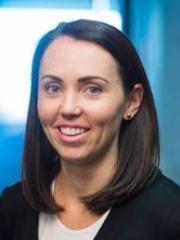
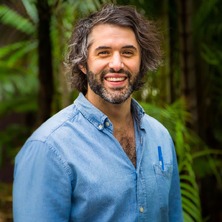
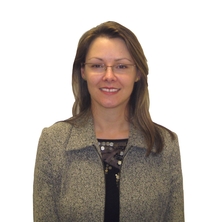
Laura Robinson is a Senior Lecturer at the School of Psychology , University of Wollongong. She holds a Doctor of Philosophy in Psychology and extensive teaching experience in behavioral sciences, statistics, and applied psychology. Education : PhD in Psychology (2017), Postgraduate Diploma in Psychology (2010), Bachelor of Psychology (2009), and Bachelor of Aviation (2004) Her research focuses on vulnerable populations, particularly women and youth, with expertise in substance use disorders, eating disorders, mental health comorbidity, and health equity. She has published extensively on residential treatment outcomes, continuing care interventions, and stigma reduction in mental healthcare. Recent publications highlight longitudinal analyses of psychological distress, weight stigma, and integrated approaches to substance use and physical health. She supervises PhD students on topics like veterans' mental health, methamphetamine use, and suicide prevention. Laura has received funding from internal and external sources, including grants for stimulant use interventions and health literacy studies. She serves on committees like the Australasian Professional Society for Alcohol and Drugs and contributes to peer-reviewed journals as a reviewer.
Professor Adrienne O'Neil is a leading academic at Deakin University's Food & Mood Centre, where she holds an NHMRC Emerging Leader (2) Fellowship. As a behavioral scientist, she specializes in evidence-based lifestyle medicine and rehabilitation for mental health and cardiac conditions. Director, Heart and Mind Research (2022–present) Deputy Director, Food & Mood Centre (2022–present) Her research focuses on: Shared pathways between mental and physical disorders Lifestyle interventions for mental health Cardiac rehabilitation and psychosomatic medicine Social determinants of health Epidemiology of comorbid conditions Key contributions include: Leading the CALM trial (2024) showing lifestyle interventions match psychotherapy effectiveness Co-chairing international lifestyle mental health guidelines (2022) Advancing the MAGNET clinical trial network Groundbreaking work on stress-cardiovascular disease relationships Scientific awards: NHMRC Emerging Leader (2) Fellowship Email: adrienne.oneil@deakin.edu.au
Professor Fernando Calamante is a Professor of Biomedical Engineering at The University of Sydney and Director of Sydney Imaging Core Research Facility. He leads the National Imaging Facility node and focuses on advanced MRI methodologies, particularly Diffusion and Perfusion MRI, to study brain connectivity and neurological disorders. His work includes developing the MRtrix software, widely used in diffusion MRI analysis. He holds extensive funding (~$50M) and has been recognized with awards like ISMRM Fellowship and NHMRC grants. His research spans super-resolution imaging, brain connectomics, and clinical applications in stroke and tumors. Education: BSc (Physics, Argentina), PhD (Magnetic Resonance Imaging, University College London). Career highlights include leadership roles at The Florey Institute and ISMRM presidency (2021-2022). Research interests include: Novel MRI methods for brain connectivity and super-resolution imaging Applications of Diffusion and Perfusion MRI in neurology Integration of structural and functional connectomics Key achievements: Over 200 publications, software innovations, and leadership in global MRI societies.
Associate Professor Romy Lauche serves as Deputy Director (Research) at the National Centre for Naturopathic Medicine , Faculty of Health , Southern Cross University , Australia. A psychologist by undergraduate training and medical scientist by doctoral education, she has built an international reputation for rigorous methodological expertise in clinical and public-health research focused on complementary, integrative and traditional medicine. Education Master of Psychology – Friedrich Schiller University Jena, Germany Doctor of Health Science (Medical Science) – University of Duisburg-Essen, Germany Research Interests Lauche’s work integrates mind–body interventions (yoga, Tai Chi, mindfulness), manual and non-pharmacological therapies , and self-care strategies within the frameworks of public health , health-services research and evidence-based medicine . She specializes in advanced study designs including randomized controlled trials , systematic reviews , meta-analyses and qualitative inquiry , frequently leveraging large national datasets such as the U.S. NHIS. Scientific Awards 2017 – Dean’s Academic Excellence Award – Research High Achiever, Faculty of Health, University of Technology Sydney 2022 – Award for Research Excellence – Mid-Career Researcher, Southern Cross University Grants & Funding She has attracted a substantial portfolio of competitive research grants supporting clinical and public-health investigations in integrative medicine, although specific grant details are not enumerated in the provided text. Supervision & Teaching Lauche is an experienced supervisor of PhD, Masters and Honours students and welcomes projects on yoga, Tai Chi, hydrotherapy, traditional and cultural medicine, and methodological innovation. She lectures in research methodology, biostatistics, public health and complementary medicine . Professional Service She sits on the Southern Cross University Human Research Ethics Committee , holds editorial roles with leading integrative-medicine journals, and contributes to the Cochrane Collaboration via Cochrane Translate and Cochrane Crowd.
Antonio Verdejo-Garcia is a Professor (Research) in the School of Psychological Sciences and the Turner Institute for Brain and Mental Health at Monash University. He holds an NHMRC Leadership Fellowship and serves as Co-Chair of the Neuroscience Interest Group at the International Society of Addiction Medicine. He has an Adjunct Honorary Appointment at Turning Point (Eastern Health). His academic journey includes a PhD from the University of Granada (2006) and postdoctoral training at Johns Hopkins University, University of Cambridge, and Institut Hospital del Mar d'Investigacions Mediques. Before joining Monash in 2012, he held roles as Lecturer, Senior Lecturer, and Associate Professor at the University of Granada. Research interests center on cognitive and neural mechanisms of executive control, decision-making, and their implications for addiction, compulsive eating, and obesity. He has authored over 290 peer-reviewed articles, edited a book on Cognition & Addiction, and secured continuous national/international research funding. His work has garnered over 17,000 citations. He serves on editorial boards for journals like Addiction , PLoS One , and Current Addiction Reports . Key projects include the AAT-APP Trial for alcohol use disorder, decoding drivers of food choices for obesity management, and neurocircuitry studies in addiction. Recent articles (2023–2025) focus on impulsivity, telehealth interventions for eating disorders, and neuropharmacological comparisons between MDMA and methamphetamine users. Scientific achievements include NHMRC Leadership Fellowship and contributions to clinical translation of cognitive rehabilitation. He advises on grants and mentors students in addiction neuroscience. Current projects involve psilocybin treatment for anorexia nervosa and cortical control of feeding circuits.
Paul Gilbert is an Honorary Professor at the School of Psychology, University of Queensland. As a pioneer of Compassion Focused Therapy (CFT), his work integrates evolutionary, social, developmental, and neurobiological perspectives to address mental health challenges. He maintains an active research profile with recent collaborations spanning multinational studies on compassion-based interventions. Gilbert's research focuses on the mechanisms and applications of compassion in clinical, educational, and community settings. Key areas include reducing shame and self-criticism, developing compassion training protocols for specific populations (e.g., teachers, adolescents, forensic groups), and exploring evolutionary underpinnings of psychopathology. His work frequently employs randomized controlled trials and meta-analytical approaches to validate therapeutic efficacy. Analysis of Gilbert's 15 most recent articles (2023-2024) reveals three dominant themes: 1) Efficacy of compassion-focused interventions across diverse populations (clinical disorders, educational settings, forensic contexts), 2) Integration of contemplative practices (mindfulness, Buddhist psychology) with evolutionary models, and 3) Physiological and neural correlates of compassion and emotional regulation. Methodologically, these studies emphasize mixed-methods designs, scale validation, and cross-cultural applications.
Clinical Associate Professor Therese McGee is affiliated with the Westmead Clinical School, part of the Sydney Medical School at the University of Sydney. Her work focuses on maternal and neonatal health, particularly in obstetrics and gynaecology, with a strong emphasis on clinical research and guideline implementation. She investigates diverse topics such as perinatal outcomes, pandemic impacts on healthcare, and optimizing healthcare delivery models. Her research often addresses challenges in multiethnic populations and evaluates interventions to improve patient care and reduce healthcare costs. Her research interests include perinatal care, gestational diabetes, hypertensive disorders in pregnancy, and the validation of hospital data to ensure accurate reporting of maternal medical conditions. She also explores fetal surveillance techniques, neonatal jaundice management, and the efficacy of midwifery-led care models. Her work frequently employs mixed-methods and cohort study designs, reflecting a commitment to evidence-based practice. Therese has contributed to studies on uterine rupture, anaemia in pregnancy, and the use of rapid diagnostic tests for preventing neonatal infections. Her articles highlight a focus on healthcare quality, patient-centered care, and improving clinical guidelines through rigorous analysis. The scope of her research spans both clinical and public health dimensions, addressing issues such as antibiotic exposure reduction and maternal morbidity in Australian contexts. Grants: Efficacy and safety of vaccination in at-risk pregnant women and impact on infant immune responses (2017) Are we there yet? Optimising timing of planned birth to improve newborn outcomes and reduce health service costs (2017) Therese is involved in collaborative projects through Sydney Health Partners, focusing on applied research with real-world healthcare implications. Her studies often involve interdisciplinary teams, reflecting her role in bridging clinical practice and academic research. While no formal student advisees are listed, her publications suggest active participation in mentoring research cohorts.
Dr. Brooke Devlin is a Lecturer in Nutrition and Dietetics at the School of Human Movement and Nutrition Sciences, University of Queensland . She holds advanced qualifications as an Accredited Practising Dietitian (AdvAPD), Advanced Sports Dietitian (AdvSD), and Accredited Exercise Scientist, with a PhD in Sports Nutrition from La Trobe University (2016) and a Graduate Certificate in Higher Education. Her research focuses on diet and exercise interventions for optimizing blood glucose control , metabolic health , and chrono-nutrition , particularly through time-restricted eating protocols. She also investigates sports nutrition , including athletes' nutrition knowledge and public health interventions in community sports. PhD in Sports Nutrition (La Trobe University, 2016) MNUTRDiet (Nutrition and Dietetics) BExSci (Exercise Science) GradCertHigherEd (Graduate Certificate in Higher Education) Dr. Devlin's research spans two primary domains: metabolic health and sports nutrition . In metabolic health, her work explores time-restricted eating for type 2 diabetes prevention and management, evaluating its impact on glycaemic control , lipoprotein profiles , and health-related quality of life . Her chronological articles reveal a focus on nutritional timing , anti-inflammatory diets , and exercise synergy . For sports nutrition, she examines athletes' dietary behaviors , team sport nutrition , and public health strategies to reduce sugar-sweetened beverages in community sports. Her recent publications include 15 articles from 2025 to 2022, covering topics like anti-inflammatory diets for chronic diseases, TREx trials in diabetes management, and chrono-nutrition applications. These works frequently employ randomized controlled trials , systematic reviews , and meta-analyses , with keywords and subfields reflecting metabolic health , time-restricted eating , chronobiology , nutritional epidemiology , exercise physiology , and public health interventions . Dr. Devlin serves as an Associate Advisor for multiple PhD projects, including studies on genetics of sensory nutrition , dietary patterns in diabetes , and pediatric diabetes care optimization . She is currently a Chief Investigator (CI-D) on a NHMRC MRFF project (2021-2024) titled "What or When to eat to reduce the risk of developing type 2 diabetes (WOW)" and an investigator on a Diabetes Australia Research Project (2021-2023) about time-restricted eating in diabetes management. Her affiliations include the Faculty of Health, Medicine and Behavioural Sciences and collaborations with institutions like La Trobe University and the University of Adelaide.
Glen Bates is a Professor in the School of Health Sciences at Swinburne University of Technology , Australia. His research focuses on trauma, mental health, and psychological well-being, with a particular emphasis on social anxiety, complex PTSD, self-compassion, and resilience. He has a strong publication record and actively supervises PhD students across diverse topics in clinical and health psychology. His research interests span several interconnected domains: Clinical and health psychology, especially trauma-related disorders and mood disorders Social and personality psychology, focusing on stigma, resilience, and identity Applied and developmental psychology, including educational and workplace mental health Digital mental health interventions and telehealth applications Mechanisms of therapy such as emotion regulation, mindfulness, and nonattachment His recent publications reveal a consistent focus on understanding psychological mechanisms in anxiety, trauma, and resilience. The articles show strong use of advanced statistical methods (meta-analysis, structural equation modelling) and qualitative approaches (thematic analysis, phenomenological inquiry). Key themes include the measurement and treatment of complex PTSD, the role of self-compassion and emotion regulation in social anxiety, resilience among marginalized populations, and the impact of societal challenges like the pandemic and food insecurity on mental health. Scientific contributions include: Over 100 publications including high-impact journal articles Systematic reviews and meta-analyses advancing methodological rigor in trauma and anxiety research Development and validation of digital interventions for mental health Exploration of novel constructs such as nonattachment and their role in psychological development He has supervised numerous Doctoral (PhD) candidates, with projects covering areas such as EMDR therapy, digital mental health, intergenerational trauma, HIV resilience, and workplace stress. His grant funding includes projects on monitoring anxiety and depression nationally and on raising teacher status through social innovation. He leads a research program that bridges clinical psychology with public health and educational innovation. He is actively involved in research teams and collaborations, particularly in projects related to trauma, mental health interventions, and social innovation in education. His work often involves interdisciplinary collaboration across psychology, public health, and digital technology.
Dr. Helen MacLaughlin is an Associate Professor in Nutrition and Dietetics at QUT and an Advanced Clinician Researcher at Royal Brisbane and Women's Hospital. She has over 20 years of clinical experience specializing in nutritional interventions for kidney disease patients. She holds a PhD from King's College London (2013) and completed a postdoctoral fellowship as a National Institute of Health Research (NIHR) and Health Education England (HEE) Clinical Lecturer. Her research focuses on dietary and lifestyle interventions to slow chronic kidney disease progression and nutritional epidemiology, particularly examining obesity's impact on renal and cardiovascular outcomes. Education: PhD in Nutritional Sciences, King's College London Health Science (Nutrition and Dietetics), Queensland University of Technology Research Interests: Nutrition assessment and interventions for chronic kidney disease Acute kidney injury management Nutritional epidemiology Obesity and kidney disease comorbidities Awards: 2018 Walls Bursary 2015 Clinical Lectureship postdoctoral fellowship Supervision: Focuses on obesity management in CKD, diet quality indices, and hyperkalaemia management. Current projects include the SLOW-CKD feasibility study on low-energy diets and diet quality assessment in CKD patients. Labs/Teams: Collaborates with the London Renal Obesity Network and multidisciplinary teams at QUT and Royal Brisbane and Women's Hospital.
Brett Gordon is an Associate Professor in Exercise Physiology and Head of Department for Rural Clinical Sciences at La Trobe University's Rural Health School in Bendigo, Australia. He is also an Accredited Exercise Physiologist (AEP) with over a decade of academic experience and nearly ten years of clinical practice. PhD from Royal Melbourne Institute of Technology University (2012) MAppSc (Exercise Rehabilitation) from Victoria University BAppSci (Human Movement) from Royal Melbourne Institute of Technology University Professor Gordon's research focuses on the role of exercise in managing chronic disease, particularly examining how exercise can be optimally assessed and prescribed for people with cardiometabolic health conditions. His work utilizes continuous glucose monitoring systems, accelerometers, and GPS monitors to study both healthy individuals and those with health conditions. Early in his career, he investigated exercise benefits for children with chronic fatigue syndrome before shifting focus to cardiometabolic health. Analysis of his recent publications reveals a strong emphasis on practical applications of exercise physiology in real-world settings, particularly in rural communities. His research spans walking football programs for older adults, optimal exercise dosing for cardiac rehabilitation, e-bike health benefits, military transition health issues, and telehealth applications for cardiac rehabilitation. A consistent theme across his work is addressing health disparities in rural populations. Member of Exercise and Sports Science Australia (ESSA), Research Committee Associate Editor for Frontiers in Sports and Active Living Member of Scientific Reports Editorial Board Member of American Association of Cardiovascular and Pulmonary Rehabilitation Professor Gordon has successfully supervised numerous students to completion, including 3 honours students (all H1), 1 master's student, and 5 doctoral students. He currently supervises 5 PhD candidates and 2 Master by Research candidates. His funded research includes projects on walking football for older adults and exercise demands in adolescent athletes. He maintains a broad collaborative network including institutions such as Auckland, Swinburne, Sheffield Hallam, Murdoch, RMIT, and Deakin universities, as well as Bendigo Health, The Austin Hospital, and the Baker IDI Heart and Diabetes Institute. His current research projects focus on prediabetes, diabetes, heart disease, hospital care, military transition, and resistance training, demonstrating his commitment to translating exercise science into practical health interventions for diverse populations.
Professor Jerry Greenfield is a distinguished Endocrinologist and Clinical Researcher at the University of New South Wales, holding multiple leadership positions including Head of Department of Endocrinology and Director of Diabetes Services at St Vincent's Hospital, as well as Head of St Vincent's Clinical Campus. His academic career spans decades of significant contributions to diabetes research and clinical practice. Greenfield completed his medical education at the University of New South Wales, graduating with Honours (Class 1) in 1995. He earned his PhD at the Garvan Institute (2001-2004) under the supervision of Professors D Chisholm, L Campbell, and K Samaras. His early career included an NHMRC Neil Hamilton Fairley Postdoctoral Research Fellowship at the University of Cambridge (2005-2006) where he worked with Prof Stephen O'Rahilly and Dr Sadaf Farooqi. His research interests focus on endocrinology with particular emphasis on type 1 and type 2 diabetes, obesity, metabolic disorders, insulin resistance, and cardiometabolic risk. Greenfield has pioneered work on SGLT2 inhibitors and their applications across various patient populations, including heart transplant recipients and those with specialized complications. His research bridges clinical practice with translational science, addressing critical gaps in diabetes management. Analysis of his recent publications (2023-2025) reveals a strong focus on cardiometabolic protection in diabetes, particularly examining SGLT2 inhibitors and GLP-1 receptor agonists for cardiovascular and renal protection in both type 1 and type 2 diabetes. His work spans clinical trials, population studies, and consensus guidelines development, with increasing attention to specialized populations including transplant recipients and those with monogenic diabetes. NHMRC Neil Hamilton Fairley Postdoctoral Research Fellowship Editorial Board member, Clinical Obesity Executive Council Member, Australian Diabetes Society Professor Greenfield leads significant research initiatives examining the role of novel diabetes medications in cardiometabolic protection. His work has secured substantial research funding through NHMRC and other competitive grants. He actively collaborates with multidisciplinary teams across endocrinology, cardiology, and transplant medicine to advance diabetes care. His leadership extends to developing national consensus statements on genetic testing for monogenic diabetes and improving management of diabetic ketoacidosis across Australia. Greenfield maintains strong affiliations with the Garvan Institute of Medical Research and St Vincent's Hospital, where his research team investigates metabolic pathways, insulin resistance mechanisms, and clinical applications of novel diabetes therapies. His work with the Australian Diabetes Society has significantly influenced clinical practice guidelines and research directions in the field.
Associate Professor James N. Kirby is a Clinical Psychologist and Co-Director of the Compassionate Mind Research Group at the School of Psychology, University of Queensland. He holds affiliate positions at the Parenting and Family Support Centre, Early Cognitive Development Centre, and Centre for Health Outcomes, Innovation and Clinical Education (CHOICE), all within the Faculty of Health, Medicine and Behavioural Sciences. Additionally, he maintains a Visiting Fellowship at the Center for Compassion and Altruism Research and Education at Stanford University and is an Honorary Member of the Compassionate Mind Foundation UK. Dr. Kirby earned his Bachelor (Honours) of Psychological Science and Doctor of Philosophy from the University of Queensland. His expertise spans clinical psychology with a specialization in compassion research and interventions. Dr. Kirby's research focuses on compassion and its applications in mental health. His work examines factors that facilitate and inhibit compassionate responding, with particular attention to how compassion-focused interventions help address self-criticism and shame underlying depression and anxiety disorders. His research spans multiple domains including parenting, athlete well-being, mental health in the performing arts, and compassion in healthcare settings. He investigates compassion from multiple angles: as a transdiagnostic treatment target, its neurophysiological correlates, its relationship to social rank and attachment, and its application in diverse populations including autistic adults and fathers. His recent publications reveal a strong emphasis on practical compassion-focused interventions across diverse contexts. There's a clear trend toward examining compassion's physiological correlates (particularly heart rate variability), its application in specific populations (autistic adults, athletes, performing artists), and its role in addressing specific mental health challenges like weight stigma in lipoedema. His work increasingly incorporates digital assessment tools and examines compassion in everyday life through experience sampling methods. The research demonstrates how compassion functions as a cross-cutting therapeutic mechanism applicable across multiple mental health conditions. Associate Editor, Mindfulness journal Associate Editor, Psychology & Psychotherapy: Theory, Research & Practice Author of Choose Compassion (2022) Co-editor of Making an Impact on Mental Health (2020) Co-author of Essentials of Compassion Focused Therapy: A Practice Manual for Clinicians (2024) Dr. Kirby is actively involved in research supervision, currently overseeing multiple PhD candidates across diverse projects related to compassion. His current supervision includes research on deepening self-compassion, online compassion skills training, compassion in healthcare, gender and sexuality perspectives on body image, and compassion-based interventions for caregivers of children born preterm. He has successfully supervised several PhD students to completion, with research focusing on social and affective impacts of attachment, compassion-focused therapy for body weight shame, neurophysiological correlates of compassion, and compassion in parenting contexts. His grants portfolio includes projects funded by Australian Red Cross Lifeblood, Anglicare Southern Queensland, Metro North Hospital and Health Service, and YoungCare Ltd. As Co-Director of the Compassionate Mind Research Group, Dr. Kirby leads a multidisciplinary team dedicated to advancing the science and application of compassion. His current research examines compassion in blood donation, the justice system, traumatic pregnancy, and compassionate decision-making, demonstrating the breadth and impact of his work across multiple domains of human experience.
Matthew Pase is an Associate Professor at Monash University, leading the Epidemiology of Dementia Lab, the Aging and Neurodegeneration Research Program at the School of Psychological Science, and the Aging Well Pillar at the Turner Institute. He holds an adjunct position as Associate Professor of Epidemiology at Harvard University and has conducted postdoctoral training at the Framingham Heart Study and Boston University School of Medicine. Education: PhD in Neuropsychology/Neuroscience (2014), specializing in modifiable hemodynamic predictors of cognitive aging Research focuses on modifiable risk factors for dementia, validation of non-invasive biomarkers, and sleep-dementia relationships. Notable projects include the Brain and Cognitive Health (BACH) cohort, NIH-funded Sleep and Dementia Consortium, and the Vascular Contributions to Dementia (VCD-CRE) initiative. Key themes in recent articles include sleep architecture’s impact on dementia risk, neurovascular integrity in aging, and biomarkers like YKL-40 and plasma tau. His work emphasizes translational research to reduce cognitive disorder burdens. Grants/Projects: ARC Training Centre for Optimal Ageing (2023–2028) Poor Sleep and Hypertension combined Alzheimer’s risk (2023–2025) Vascular Contributions to Dementia (2022–2027) Labs/Teams: Leads multi-institutional collaborations, including the Framingham Heart Study and International Stroke Genetics Consortium’s Cognitive Working Group.
Professor Nadine Foster is a NHMRC Leadership Fellow (Level 2) and Director of the University of Queensland (UQ) Clinical Trials Centre , affiliated with the Faculty of Health, Medicine and Behavioural Sciences and School of Health and Rehabilitation Sciences . She is a physiotherapist and lifelong Fellow of the Chartered Society of Physiotherapy (UK) , renowned for her work in musculoskeletal pain , clinical trials , and rehabilitation science . Education : Bachelor (Honours), University of Ulster Doctor of Philosophy, University of Ulster Research Interests revolve around musculoskeletal pain (low back pain, osteoarthritis, shoulder pain), health services research , and interprofessional collaborative practice . Her work emphasizes stratified care models and clinical trials to improve patient outcomes. She has led over 31 RCTs and contributed to 311+ peer-reviewed publications, including the Lancet Series on Low Back Pain . Recent research trends focus on clinical trial fidelity , patient-centered service design , comparative effectiveness of surgical vs. conservative care , and implementation strategies for evidence-based interventions (e.g., STarTBack tool). Her studies span biomechanics , return-to-work programs , and eHealth . Scientific Awards & Recognition : Elected to Australian Clinical Trials Alliance (ACTA) Board (2024) NHMRC Investigator Grant (2024–2029) Stanley Paris Visiting Fellowship (2023) NIHR Senior Investigator Award (2020) Supervision includes 15 completed PhDs and 19 Masters students. She currently supervises projects on collaborative clinical practice , FORENSIC low back pain trial , and shoulder osteoarthritis management . Her grants exceed $145M, including NHMRC , NIHR , and PCORI funding. She leads international collaborations such as the FORENSIC trial (lumbar fusion vs. conservative care) and RAPSODI trial (shoulder replacement approaches).