Federica Tomao is an Associate Professor at the Department of Maternal, Child and Urological Sciences within Sapienza University of Rome. She actively teaches and supervises courses in Medicine and Surgery , Nursing , and Midwifery programs across multiple institutions. Current faculty member with academic rank Teaching roles in 6th, 3rd, and 2nd year courses Specialized in gynecologic oncology Research Focus : Her work spans ovarian cancer, breast cancer, and endometrial cancer, emphasizing chemotherapy optimization, precision medicine, and radiomics. Notably, she contributes to understanding PARP inhibitors, immune checkpoint therapies, and fertility preservation techniques in cancer survivors. Recent Publications highlight advancements in sarcopenia analysis, BRCA testing, and radiogenomic nomograms. These studies demonstrate her commitment to bridging imaging and molecular data for improved cancer management. Email : federica.tomao@uniroma1.it
Vanessa Samouëlian, MD, PhD, serves as an Associate Clinical Professor in the Department of Obstetrics and Gynecology at the University of Montreal. Based at the Montreal University Hospital Center (CHUM), she specializes in gynecological oncology within the Gynecological Oncology division. Her institutional roles include leading Tumor Board meetings and serving as a service representative on CHUM's medical act evaluation committee and the University of Montreal externship committee. Her educational background includes: MD from University of Montpellier 1, France (1992-1998) Certificate of Clinical and Therapeutic Synthesis and Master's in Biological/Medical Sciences (1998) IUD in Colposcopy and Cervicovaginal Pathology (1999) DES in Gynecology-Obstetrics from University of Lille 2, France (2005) PhD from Biology-Health Doctoral School, University of Lille 2 (2007) Clinical Fellowship in Gynecology Oncology at CHUM (2009-2011) Dr. Samouëlian's research centers on gynecological malignancies with emphasis on cervical, endometrial, and vulvar cancers. She investigates molecular biomarkers for nodal metastasis, treatment outcomes in high-risk endometrial carcinoma, and surgical innovation including robotic techniques. Her work bridges clinical oncology, cancer pathology, and HPV vaccination strategies through national collaborations. Her 2015-2016 publications reveal a cohesive research trajectory focused on endometrial cancer through the Canadian High Risk Endometrial Cancer (CHREC) Consortium. Key themes include adjuvant therapy optimization, pathological pattern analysis (MELF invasion), and surgical training innovation using virtual reality simulation. These works demonstrate integration of clinical practice, molecular diagnostics, and surgical education within gynecologic oncology. Within CHUM's organizational structure, Dr. Samouëlian contributes to the Historical Assignment Team and Gynecological Oncology division. She co-developed the Contemporary Clinical Questions on HPV-Related Diseases and Vaccination booklet with Gynecologic Oncology Canada and Merck Canada, endorsed by major Canadian gynecological societies including the Society of Obstetricians and Gynaecologists of Canada.
Dr. Laila Ingrid Muderspach is a Clinical Professor of Obstetrics & Gynecology at the University of Southern California (USC) on a part-time basis. She specializes in the diagnosis and treatment of gynecologic malignancies, emphasizing patient-centered care that addresses physical, emotional, and socioeconomic needs. Her clinical expertise spans surgical and medical interventions for cancers of the female reproductive system, with a focus on improving outcomes through advanced techniques like Enhanced Recovery After Surgery (ERAS) pathways and sentinel lymph node biopsies. Dr. Muderspach’s research spans epidemiological trends in gynecologic cancers, including adolescent and young adult (AYA) populations, and the optimization of surgical and chemotherapy protocols. She has contributed to pivotal studies on endometrial and cervical cancer staging, palliative care utilization, and the management of complications in vulvar cancer surgery. Her work also addresses healthcare disparities, such as accessibility to obstetric care and adherence to cancer treatment in underserved communities. Education: Medical degree from an unspecified institution, with training at USC and UCLA. Awards: Over 30 awards including Best Doctors recognition (2009–2014), National Faculty Award (2007), and multiple teaching accolades. Labs/Teams: Active in multidisciplinary gynecologic oncology teams at LAC+USC Medical Center, focusing on surgical innovation and patient safety. Her publications (over 150 listed) reflect a commitment to translational research, including clinical trials for novel therapies like eribulin for cervical cancer and investigations into HPV vaccine impact on cervical lesions.
G. Petur Nielsen, MD is a Professor of Pathology at Harvard Medical School and serves as Subspecialty Head, Bone and Soft Tissue Pathology at Massachusetts General Hospital . With a clinical focus on bone and soft tissue tumors, his expertise spans diagnostic pathology, molecular genetics of neoplasms, and ancillary testing applications. Research interests center on Pathology and biology of bone/soft tissue tumors Molecular genetics of bone and soft tissue neoplasms Chordoma and sarcoma research Epithelioid vascular tumor differentiation Mesenchymal tumors of the female genital tract His work includes landmark studies on tumor misdiagnosis rates, immunohistochemical profiling, and genomic analysis of chordomas. Scientific contributions appear in leading journals like Nature and American Journal of Surgical Pathology , with major emphasis on Molecular tumor classification Mutational signature analysis Translational oncology Diagnostic accuracy improvement Genomic instability mechanisms
Dr. Natalia Buza is a Professor of Pathology at Yale School of Medicine with a distinguished career specializing in gynecologic and breast pathology. She serves as Director of Women's Health Pathology and Director of both the Gynecologic Pathology and Women's Health Pathology Fellowship Programs at Yale. Dr. Buza earned her medical degree from the University of Pecs Med and Health Science Center in Hungary, followed by residency and fellowship training at Yale University, where she joined the faculty in 2010. Professor of Pathology, Yale School of Medicine Director, Pathology Center of Excellence for Women's Health, Anatomic Pathology Director, Gynecologic Pathology Fellowship Program Director, Women's Health Pathology Fellowship Program Secretary, International Society of Gynecological Pathologists (ISGyP) Dr. Buza's research focuses on gestational trophoblastic disease, ovarian neoplasms, and uterine cancers, with particular expertise in morphological and microscopic analysis of gynecological pathologies. Her work bridges diagnostic pathology with clinical applications, contributing significantly to precision medicine approaches in gynecologic oncology. She has authored over 160 publications, including review articles, book chapters, and a textbook on Intraoperative Frozen Section in Gynecologic Pathology. Her recent publications demonstrate a strong focus on molecular characterization of endometrial and ovarian cancers, HER2 testing methodologies, gestational trophoblastic disease diagnostics, and targeted therapies for gynecologic malignancies. Dr. Buza's work frequently incorporates advanced molecular techniques like STR genotyping and next-generation sequencing to improve diagnostic precision and treatment selection. The Averill A. Liebow Award for Excellence in the Teaching of Pathology Residents (2016) Dr. Buza serves as Section Editor for Archives of Pathology and Laboratory Medicine and Pathology and Oncology Research, and sits on the editorial boards of Modern Pathology, International Journal of Gynecological Pathology, and Human Pathology. She is a domain expert for the International Collaboration on Cancer Reporting datasets on Gestational Trophoblastic Tumors and Endometrial Cancer, and frequently serves as course faculty for major pathology organizations including ASCP and USCAP.
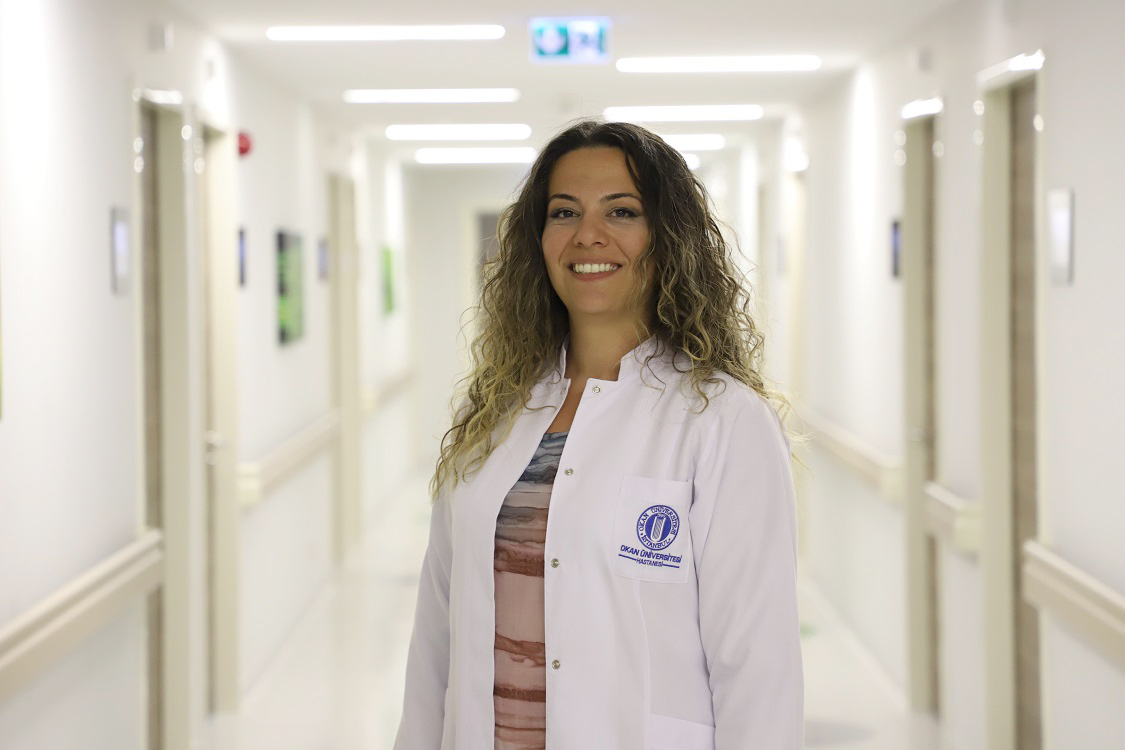
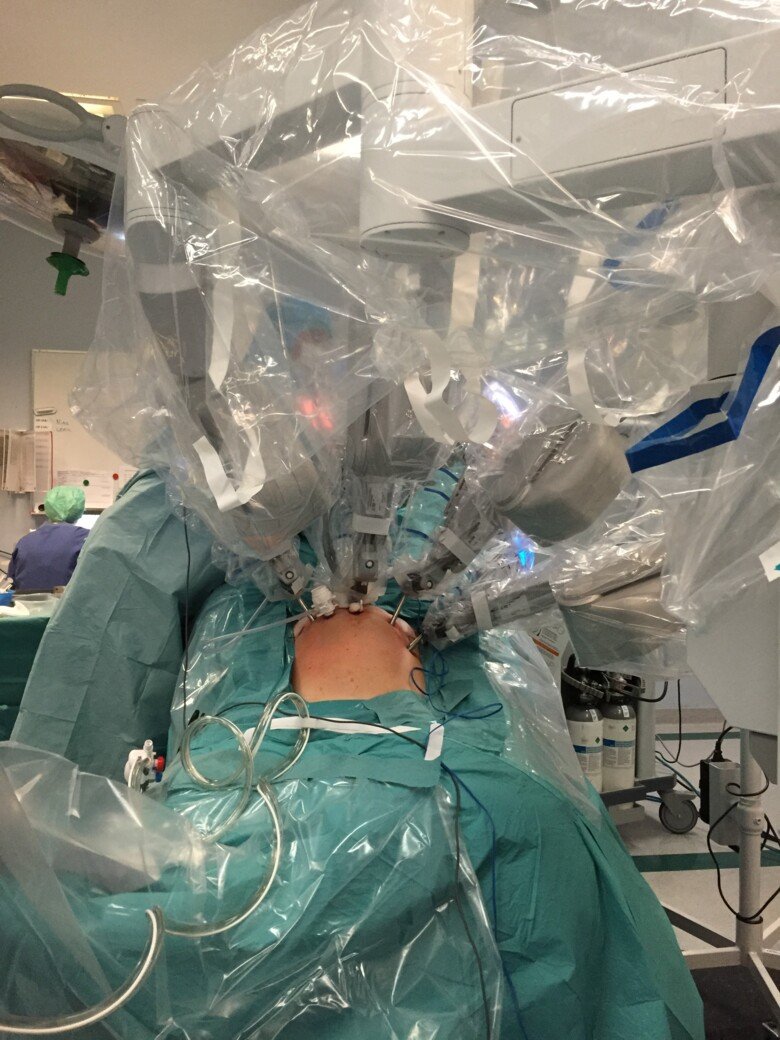
Dr. Gökçenur Karakelleoğlu serves as a Lecturer in the Department of Obstetrics and Gynecology at Istanbul Okan University Faculty of Medicine, specializing in women's sexual health and advanced surgical techniques including laparoscopic and robotic procedures in gynecologic oncology. Her clinical practice integrates evidence-based approaches to maternal-fetal medicine and complex gynecological conditions. Her academic foundation includes: Medical Degree: Istanbul University Faculty of Medicine (2000-2006) Specialization: Bilim University Department of Obstetrics and Gynecology Research focuses on prenatal diagnostic innovation, fetal abnormality management, and gynecological pathologies including endometriosis and scar-related complications. Her work emphasizes improving maternal outcomes through advanced imaging techniques and surgical interventions, with particular attention to gestational diabetes prediction and fetal growth restriction indicators. Analysis of her 40+ publications reveals consistent contributions to obstetric screening methodology, especially in predicting small-for-gestational-age infants through biochemical markers (PAPP-A, hCG, TSH) and ultrasound parameters. Recent work demonstrates expertise in rare condition management including cesarean scar pregnancies and vaginal sarcomas. Professional development includes active membership in the Turkish Gynecology and Obstetrics Association and specialized training in: Laparoscopic suture techniques (2015) Hysteroscopy (2015) Fetal heart screening (2009) Neonatal resuscitation (2010)
Gabriella Lillsunde-Larsson is a Senior Lecturer and Associate Professor at the Örebro University School of Health Sciences , with a 30% appointment at the Department of Laboratory Medicine, Örebro University Hospital. Her work bridges biomedical laboratory science and clinical oncology , focusing on HPV-induced cancers and translational research. PhD in Biomedicine (2015) - Thesis: Characterization of HPV-induced vaginal and vulvar carcinoma Current research projects: HPV gene variation and protein expression as prognostic markers Molecular triage for cervical screening Prognostic biomarkers in prostate cancer Research Focus: Gabriella investigates biological and prognostic factors in HPV-induced genital cancers, prostate cancer, and endocannabinoid signaling. Her work includes cost-effectiveness analysis of self-sampling methods and international collaborations on cervical screening policies. Publications: Recent work explores molecular triage in cervical screening, HPV genotyping in HIV-endemic regions, and protein expression markers in vaginal carcinoma. Her studies (2022-2025) emphasize translational applications of HPV research and laboratory science innovations. Academic Leadership: Program Manager for the Master's Program in Methods in Medical Diagnostics Vice Chair of the Institute of Biomedical Laboratory Science (IBL) President of the International Federation of Biomedical Laboratory Science (IFBLS) since 2024 Örebro University representative in the Regional Cancer Center (RCC) Central Sweden International Engagement: Active in WHO collaborations through IFBLS, scientific committee member for global HPV congresses, and contributor to professional education standards across Nordic countries.
Paul Dickman is a Professor of Biostatistics at the Department of Medical Epidemiology and Biostatistics (MEB) at Karolinska Institutet in Stockholm. He has been employed there since 1999, serving as deputy head of department, head of the MEB Biostatistics group, and programme director for the Master's Programme in Biostatistics and Data Science. His research focuses on developing and applying statistical methods for population-based cancer survival analysis, particularly relative/net survival estimation and modeling. Education: PhD in Statistics (1997), University of Newcastle, Australia B.Math (Honours Class 1) (1992), University of Newcastle, Australia Research Interests: Cancer epidemiology Survival analysis Statistical methods for register-based studies Awards: Statistical Promoter of the Year 2023 Grants and Fundings: Swedish Cancer Society grants for developing statistical methods in cancer epidemiology Swedish Research Council grant for register-based research Advising and Mentorship: Supervised 8 doctoral students as primary supervisor and 18 as co-supervisor, covering topics like cancer survival, health technology assessment, and epidemiology. Labs/Teams: Leads the Statistical methods in epidemiology – Paul Dickman's research group , focusing on biostatistical methods for cancer survival analysis and policy applications.
Prof. Ate van der Zee is a Professor of Gynecologic Oncology and Chairman of the Board of Directors at University Medical Center Groningen (UMCG). He leads the Department of Gynecologic Oncology and is a global authority in vulvar and ovarian cancer research. His work focuses on clinical trials, translational research, and improving patient care through managed clinical networks. He holds leadership roles in multiple national/international organizations, including the Dutch Federation of University Medical Centers and the European Society of Gynaecological Oncology (past president). His research spans prognostic biomarkers, sentinel node procedures, and cancer treatment protocols. Prof. van der Zee has authored >270 peer-reviewed publications and supervised 40 PhD students. He combines administrative leadership with active clinical practice, surgical expertise, and mentoring.
Professor Andreas Obermair is the Director of Queensland Centre for Gynaecological Cancer Research (QCGC Research) and a Professor of Gynaecological Oncology at The University of Queensland since 2007. He holds an Honorary Professor title at UQ since 2006 and serves as a Senior Medical Officer at Royal Brisbane & Women's Hospital, along with Visiting Medical Officer positions at St Andrews War Memorial Hospital and Buderim Private Hospital. As an NHMRC Leadership Fellow and Affiliate of the Centre for Extracellular Vesicle Nanomedicine, he leads significant research initiatives in gynaecological oncology. Professor Obermair's research spans multiple critical areas in gynaecological oncology including clinical trials methodology, where he emphasizes evidence-based approaches to cancer management; translational research applying new technologies to prevention and treatment; quality of life studies focusing on ovarian, endometrial, cervical and vulval cancers; and minimally invasive surgical techniques like total laparoscopic hysterectomy. His work has demonstrated that systematic training and mentoring can overcome barriers to adopting less-invasive surgical approaches that improve patient outcomes. His recent publications reveal a strong focus on improving cancer care through innovative approaches including telehealth follow-up for ovarian cancer patients, surgical complication management, vulval cancer treatment patterns, hormone therapy impacts, and immunotherapy applications for endometrial cancer. His research consistently addresses both clinical outcomes and patient quality of life considerations across various gynaecological cancers. NHMRC Investigator Fellowship Level 2 (2021-25) Cancer Australia's Jeannie Ferris Recognition Award (2017) for outstanding achievements in clinical practice and research Professor Obermair actively supervises multiple PhD and MPhil students working on biomarker research, patterns of care in endometrial cancer, and lifestyle factors affecting cancer outcomes. He has secured substantial funding from NHMRC, Cancer Australia, and the Cherish Women's Cancer Foundation for projects including the ALIVE WELL Centre of Research Excellence, the ANVU trial for vulvar cancer, and multiple clinical trials addressing precision surgery and treatment options for gynaecological cancers. He co-founded and serves on the Board of the Cherish Foundation, which funds clinical research for women with gynaecological cancers, demonstrating his commitment to consumer-focused research.
Dr. med. Anne Schlesinger-Raab, MPH, is a researcher affiliated with the Institute for Medical Information Processing, Biometry and Epidemiology at Ludwig Maximilian University of Munich (Medical Faculty). Her work focuses on cancer epidemiology, treatment outcomes, and quality of life in oncology patients. Research Interests: Cancer epidemiology, metastasis risk, treatment delays, radiation therapy effects, and quality of life studies across multiple cancer types. Selected Publications: 15 recent articles spanning breast cancer, colorectal cancer, prostate cancer, and melanoma outcomes, with emphasis on population-based analyses and long-term follow-ups. Contact: schlesi@ibe.med.uni-muenchen.de | Marchioninistr. 15, 81377 Munich | Room K U1 953
Valerie A Capstick is an Associate Professor in the Department of Obstetrics and Gynaecology at the University of Alberta's Faculty of Medicine & Dentistry, where she specializes in gynecologic oncology with emphasis on ovarian cancer management and women's health. Her educational background includes: Medical degree from University of Alberta (1983) Residency training at University of Alberta Fellowship in Gynecologic Oncology at University of Toronto Dr. Capstick's research focuses on hereditary ovarian cancer pathways, surgical and chemotherapeutic interventions for ovarian malignancies, and comprehensive management of uterine, cervical, and vulvar cancers. She actively investigates cervical precancerous lesion treatments and integrates clinical innovation with undergraduate medical education curriculum development. Her work bridges translational research and patient-centered care in gynecologic oncology. Her 2019 BMJ Open publication examining cost-awareness campaigns in laparoscopic hysterectomy demonstrates her expanding research scope into surgical resource optimization and healthcare economics within gynecologic procedures, reflecting contemporary trends in value-based surgical practice. As an educator, Dr. Capstick contributes significantly to undergraduate medical training at the University of Alberta, though specific graduate student mentorship details and research grant portfolios are not documented in available sources.
Shari Damast, MD is a Professor of Therapeutic Radiology at Yale School of Medicine, serving as Vice Chair for Brachytherapy and Chief of the Gynecologic Radiotherapy Program. She specializes in radiation oncology for gynecologic malignancies, including cervical, uterine, and vulvar cancers, with a focus on brachytherapy and improving patient quality of life. Her work integrates modern techniques like image-guided radiation and addresses sexual health concerns post-treatment. Education & Training: Residency in Radiation Oncology: Memorial Sloan Kettering Cancer Center (2011) Internship in Internal Medicine: Beth Israel Medical Center (2007) MD: Weill Cornell Medical College (2006) BS: Yale University (2002) Research Interests: Dr. Damast’s research emphasizes optimizing brachytherapy techniques, studying prognostic factors in endometrial and cervical cancers, and mitigating treatment side effects. Key topics include MLH1 promoter hypermethylation’s role in endometrial cancer outcomes, vaginal stenosis prevention, and patient-centered care innovations. Publications Overview: Her 15 most recent articles (2022–2024) focus on brachytherapy techniques, radiation dosimetry, genetic biomarkers in cancer prognosis, and clinical guidelines for vulvar and cervical cancers. They reflect a blend of translational and clinical research aimed at enhancing treatment efficacy and patient experience. Awards & Recognition: Yale Cancer Center Award for Clinical Excellence (2021) ARRO Educator of the Year Award (2019–2020) YNHH/Smilow Cancer Hospital Luminary Award of Excellence (2019) ABR Volunteer Service Award (2019) Grants & Mentorship: Dr. Damast collaborates on multidisciplinary teams and leads initiatives to advance brachytherapy education. She mentors residents and fellows in radiation oncology, emphasizing patient-centered care and innovative techniques. Labs & Affiliations: She contributes to the Yale Cancer Center and directs the Gynecologic Radiotherapy Program, fostering a collaborative environment for clinical and translational research.
Henrik Falconer serves as an Adjunct Senior Lecturer and Docent at Karolinska Institutet, where he leads the Gynecologic Cancer research group within the Department of Women's and Children's Health, Division for Neonatology, Obstetrics, Gynaecology and Reproductive Health. His career spans clinical practice, research leadership, and academic teaching in gynecologic oncology. Docent, Karolinska Institutet, 2015 Doctor of Philosophy, Department of Women's and Children's Health, Karolinska Institutet, 2008 University Medical Degree, Karolinska Institutet, 1998 Dr. Falconer's research focuses on clinical trials, cancer epidemiology, and translational research in gynecological malignancies. His work primarily investigates cervical cancer, ovarian cancer, and endometrial cancer, with emphasis on surgical techniques, cancer outcomes, and prevention strategies. He has pioneered research on minimally invasive surgical approaches, sentinel lymph node mapping, and fertility-sparing procedures in gynecologic oncology. Analysis of Dr. Falconer's recent publications reveals a strong focus on multinational collaborative studies examining surgical outcomes in cervical cancer (particularly the SCCAN studies), innovative approaches to ovarian cancer management, and the psychological impact of gynecologic cancers. His work spans clinical trials, epidemiological analyses, and translational research with practical clinical applications. Dr. Falconer leads several significant research projects including the RACC-trial (Robot-assisted Approach to Cervical Cancer), a major international randomized controlled trial investigating the oncologic safety of robotic surgery for cervical cancer. He also leads research on salpingectomy for ovarian cancer prevention and collaborates on the IPLA-OVCA trial investigating intraperitoneal anesthetics in ovarian cancer surgery. His research group maintains extensive national and international collaborations, working with all university hospitals in Sweden and multiple international partners. The group includes several PhD students and affiliated researchers focusing on various aspects of gynecologic oncology.
Jennifer McNiff is Professor of Dermatology and Pathology at Yale School of Medicine, where she serves as Director of the Yale Dermatopathology Laboratory and Section Chief of Dermatopathology. As Medical Director of Yale Dermatopathology, she leads a team that reviews complex skin cases from around the world, providing specialized diagnostic expertise in cutaneous pathology. Her educational background includes an MD from the University of Vermont (1986), residency at the University of Virginia Health Services Center (1990), Chief Residency at the same institution (1991), and fellowship training at the Medical College of Virginia (1992). Dr. McNiff is internationally recognized for her expertise in dermatopathology, with research focused on clinicopathologic correlations in skin disease, mycosis fungoides, lupus erythematosus, graft vs. host disease, and immunofluorescence techniques. Her work bridges clinical dermatology and laboratory pathology to improve diagnostic accuracy for complex skin conditions. She emphasizes the importance of multidisciplinary review, stating: 'Our team of dermatopathologists reviews complex and challenging cases together daily, in a consensus conference at a multi-headed microscope.' Her publication record shows consistent contributions to understanding skin cancers, inflammatory conditions, and diagnostic techniques, with recent work focusing on immunohistochemical markers like PRAME and IRF8 for differential diagnosis of challenging skin lesions. Scientific awards and recognition include: Founder's Award (2024) from the American Society of Dermatopathology University of Vermont Award for Academic Achievement (2021) Walter R Nickel Award for Excellence in Teaching Dermatopathology (2011) As past President of the American Society of Dermatopathology, Dr. McNiff is frequently invited to speak at national and international meetings. She serves on editorial boards of specialty publications and collaborates extensively with colleagues across Yale's departments including Dermatology, Pathology, and the Yale Cancer Center. Her Yale Dermatopathology Laboratory is described as 'the most sophisticated and technically advanced laboratory in the region,' with histotechnologists bringing over 100 years of combined experience. Dr. McNiff's approach centers on patient care: 'For me, it is all about the patient and the knowledge that we are positioned to help both patients and their treating physicians by generating accurate and timely diagnoses.'