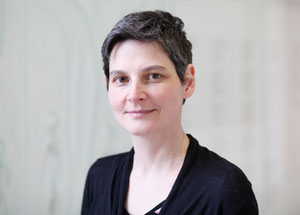
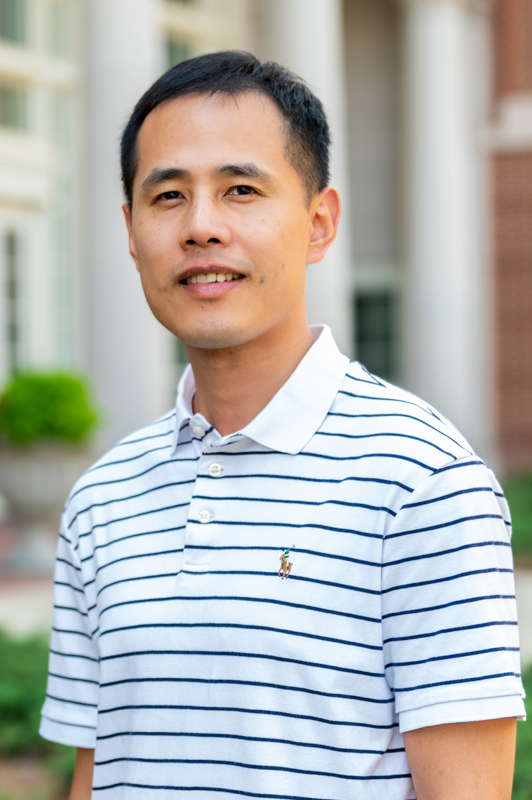
Federica Tomao is an Associate Professor at the Department of Maternal, Child and Urological Sciences within Sapienza University of Rome. She actively teaches and supervises courses in Medicine and Surgery , Nursing , and Midwifery programs across multiple institutions. Current faculty member with academic rank Teaching roles in 6th, 3rd, and 2nd year courses Specialized in gynecologic oncology Research Focus : Her work spans ovarian cancer, breast cancer, and endometrial cancer, emphasizing chemotherapy optimization, precision medicine, and radiomics. Notably, she contributes to understanding PARP inhibitors, immune checkpoint therapies, and fertility preservation techniques in cancer survivors. Recent Publications highlight advancements in sarcopenia analysis, BRCA testing, and radiogenomic nomograms. These studies demonstrate her commitment to bridging imaging and molecular data for improved cancer management. Email : federica.tomao@uniroma1.it
Jeppe Bennekou Schroll serves as a Clinical Associate Professor in the Department of Clinical Medicine at the University of Copenhagen's Faculty of Health and Medical Sciences, based at Blegdamsvej 3, 2200 Copenhagen N, Denmark. His research expertise spans: Gynecology and Obstetrics Cervical Cancer Screening methodologies HPV Vaccination impact assessment Women's Urological Health Elderly Women's Gynecological Care Population-based Medical Research Dr. Schroll's 2025 publications demonstrate a concentrated focus on evidence-based gynecological interventions using Danish population data. His work bridges clinical practice and public health through cohort studies on HPV vaccination efficacy, surgical outcomes in elderly patients, and innovative non-surgical treatments for urinary incontinence. The research consistently employs robust methodologies including population registries and randomized controlled trials, with significant media coverage across 14 news outlets and social platforms.
University of California, San FranciscoUnited States
Lindsey Draper, MD serves as an Adjunct Instructor in the Roybal Laboratory within the Department of Medicine, Division of Hematology and Oncology at the University of California San Francisco School of Medicine. Her clinical practice focuses on the treatment of patients with recurrent ovarian cancer using systemic therapies including chemotherapy and immunotherapy, with a commitment to evaluating and offering clinical trial opportunities as part of individualized patient care. Dr. Draper completed her educational training with a B.S. in Biology from Juniata College (2010), an M.D. from the University of Maryland School of Medicine (2017), an Internal Medicine Residency at The Mount Sinai Hospital (2022), and is currently completing a Medical Oncology Fellowship at UCSF (2025-2027). Her research interests center on cancer immunotherapy, particularly T cell-based approaches for HPV-associated cancers and ovarian cancer. She investigates engineered T cell therapies targeting viral antigens in cervical and other HPV-related cancers, with a focus on overcoming treatment resistance and improving clinical outcomes through novel immunotherapeutic strategies. Her work bridges fundamental immunological mechanisms with clinical applications, emphasizing the translation of laboratory discoveries into patient treatments. Dr. Draper's publication record demonstrates consistent contributions to the field of cancer immunotherapy, with recent work focusing on TCR-engineered T cells for leukemia and HPV-associated malignancies. Her research trajectory shows increasing sophistication in T cell engineering approaches and a growing emphasis on addressing inflammatory responses and treatment resistance mechanisms. Parker Institute for Cancer Immunotherapy Early Career Research Award: Parker Scholar (2024) Gladstone-UCSF Institute of Genomic Immunology Symbiont Seed Grant for 'Antigen Discovery for Ovarian Cancer' (2024) Conquer Cancer Young Investigator Award, American Society of Clinical Oncology (2024) Women in Cancer Immunotherapy Network Leadership Institute Selected Participant, Society for Immunotherapy of Cancer (2024) Physician-Scientist Fellow, Chan Zuckerberg Biohub - San Francisco (2023-2025) As a physician-scientist, Dr. Draper maintains an active research program while providing clinical care, with particular emphasis on developing novel immunotherapies for gynecologic cancers. Her current fellowship at UCSF and multiple early-career awards indicate strong potential for continued contributions to the field of cancer immunotherapy. Dr. Draper works within the Roybal Laboratory at UCSF, which focuses on innovative approaches to cancer immunotherapy and T cell engineering. Her research intersects with multiple collaborative initiatives at UCSF, including the Parker Institute for Cancer Immunotherapy and the Gladstone-UCSF Institute of Genomic Immunology.
Vanessa Samouëlian, MD, PhD, serves as an Associate Clinical Professor in the Department of Obstetrics and Gynecology at the University of Montreal. Based at the Montreal University Hospital Center (CHUM), she specializes in gynecological oncology within the Gynecological Oncology division. Her institutional roles include leading Tumor Board meetings and serving as a service representative on CHUM's medical act evaluation committee and the University of Montreal externship committee. Her educational background includes: MD from University of Montpellier 1, France (1992-1998) Certificate of Clinical and Therapeutic Synthesis and Master's in Biological/Medical Sciences (1998) IUD in Colposcopy and Cervicovaginal Pathology (1999) DES in Gynecology-Obstetrics from University of Lille 2, France (2005) PhD from Biology-Health Doctoral School, University of Lille 2 (2007) Clinical Fellowship in Gynecology Oncology at CHUM (2009-2011) Dr. Samouëlian's research centers on gynecological malignancies with emphasis on cervical, endometrial, and vulvar cancers. She investigates molecular biomarkers for nodal metastasis, treatment outcomes in high-risk endometrial carcinoma, and surgical innovation including robotic techniques. Her work bridges clinical oncology, cancer pathology, and HPV vaccination strategies through national collaborations. Her 2015-2016 publications reveal a cohesive research trajectory focused on endometrial cancer through the Canadian High Risk Endometrial Cancer (CHREC) Consortium. Key themes include adjuvant therapy optimization, pathological pattern analysis (MELF invasion), and surgical training innovation using virtual reality simulation. These works demonstrate integration of clinical practice, molecular diagnostics, and surgical education within gynecologic oncology. Within CHUM's organizational structure, Dr. Samouëlian contributes to the Historical Assignment Team and Gynecological Oncology division. She co-developed the Contemporary Clinical Questions on HPV-Related Diseases and Vaccination booklet with Gynecologic Oncology Canada and Merck Canada, endorsed by major Canadian gynecological societies including the Society of Obstetricians and Gynaecologists of Canada.
Professor Matthias Mann is a world-leading scientist serving as Director of the Proteomics and Signal Transduction department at the Max Planck Institute of Biochemistry in Martinsried, Germany, and Director of the Proteomics department at the Novo Nordisk Foundation Center for Protein Research, Faculty of Health Sciences, University of Copenhagen, Denmark. With an h-index exceeding 277 and over 350,000 citations, he is recognized as the highest cited German researcher and one of the most influential scientists globally in proteomics. His educational background includes: Ph.D. in Chemical Engineering from Yale University (1988) Master's Degree in Physics from Georg August University Göttingen (1984) Bachelor's of Arts in Mathematics from Georg August University Göttingen (1982) Professor Mann's research focuses on advancing mass spectrometry-based proteomics to understand biological systems at the protein level. His work spans technological developments in mass spectrometry, bioinformatics and computational analysis, signal transduction and posttranslational modifications, and clinical proteomics applications for disease diagnosis and treatment. The Mann lab has pioneered groundbreaking methods like SILAC for quantitative proteomics and MaxQuant for proteome data analysis. Their vision is to translate proteomics knowledge into clinical practice for predictive, diagnostic, and preventive medicine, with recent work focusing on AI-guided platforms for analyzing proteomes from minimal tissue samples. Analysis of Professor Mann's recent publications reveals a strong trend toward clinical applications of proteomics, particularly in cancer research, metabolic diseases, and neurodegenerative disorders. His work increasingly integrates spatial proteomics, single-cell resolution techniques, and artificial intelligence approaches to uncover disease mechanisms and identify potential biomarkers, with a clear shift from basic technology development toward direct clinical applications and personalized medicine. Professor Mann has received numerous prestigious awards throughout his career: 2025: Elected member of the American National Academy of Sciences 2024: Dr. H.P. Heineken Award for Biochemistry and Biophysics 2023: Otto Warburg Medal 2019: Nominated member of the Bavarian Academy of Sciences 2013: Elected member of Leopoldina German National Academy of Sciences 2012: Körber European Science Award, Louis-Jeantet Foundation Prize for Medicine, Ernst Schering Prize, and Leibniz Prize Professor Mann leads a highly collaborative research team involved in multiple international networks including the Bill & Melinda Gates Foundation, Michael J. Fox Foundation for Parkinson's Research, CLINSPECT-M, and Munich Heart Alliance. His lab has mentored numerous successful researchers, with several former postdocs receiving prestigious ERC Starting Grants. The Mann group has developed innovative clinical proteomics pipelines for analyzing archived tissue specimens and body fluids, aiming to identify protein markers for early detection of diseases such as diabetes and cancer. The Mann lab operates across two major research centers with state-of-the-art mass spectrometry facilities. Their Clinical Knowledge Graph platform integrates multi-omics data with extensive metadata, creating an ecosystem for machine learning applications in proteomics. Current research focuses on developing highly sensitive methods that can profile thousands of proteins from minimal cell samples, enabling the identification of critical disease-related proteins and supporting the development of individualized therapies.
Heping Zhang is the Susan Dwight Bliss Professor of Biostatistics at the Yale School of Public Health , with secondary appointments in the Child Study Center , Department of Statistics and Data Science , and Department of Obstetrics, Gynecology, and Reproductive Sciences . He directs the Collaborative Center for Statistics in Science (C²S²) and leads the Reproductive Medicine Network data coordinating center. Education: PhD in Statistics, Stanford University (1991) Postdoctoral Fellow, Mathematical Science Research Institute (1991) Research Focus : Zhang specializes in biostatistical methodology for genomic data analysis , clinical trials , and reproductive medicine . His work bridges genetics , mental health , and maternal-child health through innovative statistical approaches. Awards : 2023 Web of Science Highly Cited Researcher 2023 International Chinese Statistical Association Distinguished Achievement Award 2022 Institute of Mathematical Statistics Neyman Award and Lecture 2011 Royan Institute International Research Award 2011 Institute of Mathematical Statistics Medallion Award 2008 Harvard School of Public Health Myrto Lefokopoulou Distinguished Lecturer Professional Roles : He served as President of the International Chinese Statistical Association (2019) and Former Editor of the Journal of the American Statistical Association - Applications and Case Studies . His lab develops open-source software tools like ABESS , STREE , and modSaRa for genomic and clinical data analysis.
Massimo Mischi is a Full Professor at the Faculty of Electrical Engineering of the Eindhoven University of Technology (TU/e) and chairs the Signal Processing Systems (SPS) Division , the largest division at TU/e with over 250 researchers. He founded the Biomedical Diagnostics (BM/d) Lab in 2012, which now includes 180 researchers and clinical/industrial advisors, focusing on biomedical signal processing for diagnostics and monitoring.
Prof. Martin Boeker is a Professor of Medical Informatics at the Technical University of Munich (TUM), affiliated with the TUM School of Medicine and Health. His work focuses on advancing healthcare through AI-driven solutions, interoperability frameworks, and precision medicine initiatives. Key projects include the German Medical Text Corpus (GeMTeX) and the MIRACUM DIFUTURE Alignment Hub. Expertise: Medical Informatics, AI in Healthcare, Federated Learning, Health Data Integration Key Contributions: FHIR-based systems, clinical decision support, patient-centered outcomes research Leadership: Director of the Institute for AI and Informatics in Medicine at TUM Hospital Right of the Isar Research emphasizes bridging clinical practice and data science through projects like modular health crawlers, automated guideline adherence monitoring, and cross-institutional medical NLP solutions. His work spans oncology informatics, rare disease management, and pandemic response data ecosystems. Recent articles highlight innovations in digital twins for precision oncology, federated analysis in oncology, and German-language medical NLP challenges. He collaborates internationally on EHR standardization and healthcare interoperability, contributing to the Medical Informatics Initiative (MII) and pandemic evidence ecosystems. Grants and collaborations involve the German Federal Ministry of Education and Research, European initiatives, and industry partnerships. Educational efforts focus on training future medical informatics professionals through MII competency programs.
Mayo Clinic College of Medicine and ScienceUnited States
Dr. John A. Copland III is a Professor of Cancer Biology and Biochemistry & Molecular Biology at Mayo Clinic in Jacksonville, Florida. He leads the Cancer Biology and Translational Research Laboratory, focusing on molecular mechanisms of carcinogenesis, tumor progression, and development of targeted cancer therapies. Education: PhD in Physiology & Endocrinology (Medical College of Georgia), MS in Endocrinology (Medical College of Georgia), BS in Chemistry (Columbus College), with postdoctoral training at University of Texas Medical Branch. Research interests center on: Identifying tumor suppressor genes (e.g., RhoB, TBR3, GATA3) and oncogenes (e.g., FOXO3a, SCD1, NPTX2). Developing patient-derived xenografts and live cell models for personalized medicine. Designing SCD1 inhibitors via in silico modeling for clinical trials. Recent publications highlight his work on SCD1 inhibition in leukemia and thyroid cancer ImmunoPET imaging of thyroid tumors CRISPR-identified drug synergies in cholangiocarcinoma Patient-specific combination therapies using xenograft models
Todd A. Alonzo is a Professor of Research in the Department of Preventive Medicine at the University of Southern California . As Group Statistician for the Children's Oncology Group , he focuses on statistical methods for biomarker analysis, medical diagnostic testing, and clinical trial design in pediatric acute myeloid leukemia (AML). Education: B.S. in Statistics, California State Polytechnic University (1994) MS and PhD in Biostatistics, University of Washington (1997, 2000) Research Interests include: Development of statistical frameworks for diagnostic accuracy Genomic and proteomic profiling in AML Pharmacogenomic score systems for chemotherapy response Non-inferiority trial design in low-event-rate settings Health disparities in pediatric oncology Scientific Awards : Fellow, American Statistical Association (2018) Outstanding Teacher Award, International Society for Magnetic Resonance in Medicine (2017) NIH Predoctoral Cardiovascular Biostatistics Training Grant (1995) ENAR Biometrics Society Distinguished Student Paper Award (1999) WNAR Biometrics Society Best Student Oral Presentation (1999) Leadership & Service includes editorial board memberships (Biometrics, Pediatric Blood & Cancer, Biometrical Journal), reviewer for 30+ scientific journals, and roles on multiple Data Safety and Monitoring Boards. He served as President of the International Biometric Society Western Northern America Region (WNAR) in 2009.
Dr. Laila Ingrid Muderspach is a Clinical Professor of Obstetrics & Gynecology at the University of Southern California (USC) on a part-time basis. She specializes in the diagnosis and treatment of gynecologic malignancies, emphasizing patient-centered care that addresses physical, emotional, and socioeconomic needs. Her clinical expertise spans surgical and medical interventions for cancers of the female reproductive system, with a focus on improving outcomes through advanced techniques like Enhanced Recovery After Surgery (ERAS) pathways and sentinel lymph node biopsies. Dr. Muderspach’s research spans epidemiological trends in gynecologic cancers, including adolescent and young adult (AYA) populations, and the optimization of surgical and chemotherapy protocols. She has contributed to pivotal studies on endometrial and cervical cancer staging, palliative care utilization, and the management of complications in vulvar cancer surgery. Her work also addresses healthcare disparities, such as accessibility to obstetric care and adherence to cancer treatment in underserved communities. Education: Medical degree from an unspecified institution, with training at USC and UCLA. Awards: Over 30 awards including Best Doctors recognition (2009–2014), National Faculty Award (2007), and multiple teaching accolades. Labs/Teams: Active in multidisciplinary gynecologic oncology teams at LAC+USC Medical Center, focusing on surgical innovation and patient safety. Her publications (over 150 listed) reflect a commitment to translational research, including clinical trials for novel therapies like eribulin for cervical cancer and investigations into HPV vaccine impact on cervical lesions.
Marguerite M. Pinto, MBBS, serves as a Clinical Assistant Professor in the Department of Pathology at Yale School of Medicine. With decades of experience in cytopathology, Dr. Pinto specializes in diagnosing diseases through cellular examination of tissue samples, with particular expertise in fine needle aspiration techniques and cytologic diagnosis. She has maintained a strong clinical focus throughout her career, emphasizing the importance of accurate diagnosis to avoid unnecessary patient testing and biopsies. Dr. Pinto's educational background includes: MBBS from St. John's Medical College (1969) Residency at Bridgeport Hospital (1975) Fellowship at Children's Hospital of Philadelphia (1976) Fellowship at Milton S. Hershey Medical Center (1977) Her research focuses on improving diagnostic accuracy in cytopathology, particularly through the application of biomarker testing in fine needle aspirates. Dr. Pinto has specialized interest in clinical research involving small case series to develop practical diagnostic methods applicable in any laboratory setting. Her work has contributed significantly to the understanding of tumor markers like carcinoembryonic antigen (CEA) and CA-125 in the diagnosis of various cancers, with particular applications in breast, gynecologic, pancreatic, and pulmonary pathologies. She approaches diagnostic pathology with the philosophy that accuracy directly impacts patient care quality, minimizing unnecessary procedures while ensuring definitive diagnoses. Dr. Pinto's publication record from 1991-1997 demonstrates a focused research trajectory examining how tumor markers can enhance traditional cytologic diagnosis. Her work consistently explored the diagnostic value of CEA and CA-125 across multiple organ systems, establishing evidence for their practical application in fine needle aspiration biopsies. This research has contributed to standardized protocols for using these biomarkers as diagnostic adjuncts in cytopathology. Her professional recognition includes: American Cancer Award (April 14, 2009) Dr. Pinto maintains active clinical practice at Yale Medicine, where she applies her expertise in cytopathology to patient care. Her professional legacy extends beyond her own work, as she comes from a multi-generational medical family - her father was a medical school dean, and her daughter graduated from Yale School of Medicine to become a transplant cardiologist, continuing the family tradition. Dr. Pinto has been affiliated with the Norma Pfriem Cancer Center at Bridgeport Hospital from 1997-2012, contributing her cytopathology expertise to cancer diagnosis and treatment.
Pengyu Chen is Francis Family Associate Professor and Ginn Faculty Achievement Fellow in Materials Engineering at Auburn University. His NIH-funded research develops nanoplasmonic biosensors for rapid disease diagnosis and immune monitoring, with applications in precision medicine and cancer immunotherapy. Research focuses on: Rapid diagnostic technologies for COVID-19 and other diseases Single-cell analysis platforms Nanoparticle-based cancer therapies Food/environmental safety monitoring Recent publications demonstrate innovations in nanoplasmonic sensing, targeted drug delivery, 3D-printed implants, and tumor microenvironment analysis. His work integrates nanotechnology, immunology, and microfluidics for biomedical applications.
Dr. Joseph Choi is a Clinical Lecturer and General Surgery Fellow at the University of Sydney's Westmead Clinical School, within the Discipline of Surgery under the Faculty of Medicine and Health. He holds academic qualifications including BSc(Adv), MBBS, MPhil, and FRACS. His clinical and research interests focus on surgical outcomes, colorectal surgery, endometriosis management, and minimally invasive techniques. Dr. Choi's research emphasizes surgical complications, anastomotic leak prediction, and emerging surgical technologies. He has contributed to over 30 peer-reviewed publications since 2011, with recent work addressing robotic surgery feasibility, Strongyloides stercoralis infections, and HER2 therapy outcomes in breast cancer. His academic profile includes collaborations with multidisciplinary teams across oncology, gastroenterology, and gynecology. No formal awards or grants are explicitly listed, though his prolific publication record reflects sustained scholarly activity.
Dr. Jannah Baker is a Research Fellow at the Sydney School of Public Health, University of Sydney. She holds a PhD in Statistics specializing in Bayesian spatiotemporal modelling of chronic diseases, alongside dual postgraduate diplomas in Public Health and Statistics. Her clinical background includes five years as a practicing physician. Her research focuses on cancer prevention (breast, endometrial, melanoma), spatiotemporal disease modeling, health economics, and clinical trial design. She has led projects on sepsis detection systems, diabetes management, and surgical outcomes analysis. Notable contributions include a seminal systematic review on fertility-sparing endometrial cancer treatments referenced in international guidelines. Jannah has attracted $6M+ in collaborative funding and oversees grants such as the 2023 NHMRC-funded ROADMAP trial and a Department of Health-funded study on pediatric sepsis management. Her work spans 50+ peer-reviewed articles across journals like Journal of Medical Internet Research and PLOS One . Professional activities include clinical trials statistics, health economics analysis, and implementation science lectures. She has mentored multiple research teams and maintains an ORCID profile (0000-0002-2208-6584).