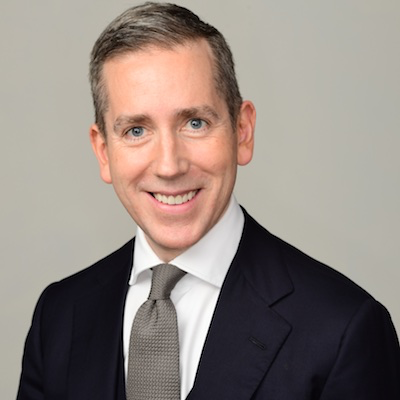
Annette Hoskin is an Adjunct Senior Research Fellow at the School of Health and Clinical Sciences, specializing in Optometry and Vision Science at The University of Western Australia. Her research addresses critical issues in ocular health, particularly eye injuries, pediatric vision, and evidence-based ophthalmology practices. Her primary research interests include ophthalmology, eye injury mechanisms, vision science, systematic reviews, pediatric optometry, meta-analytical methods, eye protection strategies, visual acuity assessment, pharmacological agents affecting the eye, and cohort effect studies in vision disorders. She contributes to UN Sustainable Development Goals through this work. Recent publications (2025) demonstrate a strong focus on ocular trauma epidemiology, sports-related eye injuries, vitreoretinal pathologies, and advanced analytical methodologies like systematic reviews and finite element modeling. Research themes consistently emphasize clinical applications for injury prevention and treatment optimization.
Professor David Atchison is a distinguished academic at Queensland University of Technology (QUT), affiliated with the School of Optometry and Vision Science within the Faculty of Health. He holds a Professorship and has been a leading figure in visual optics research for over 35 years. His academic qualifications include a Doctor of Science (QUT), PhD (University of Melbourne), and advanced optometry degrees. Research Focus: Ophthalmic optics, myopia progression mechanisms, retinal shape analysis, and color vision. Key Contributions: Over 230 journal publications, 2 books, and significant grants from ARC and NHMRC. Awards: HB Collin Medal (2014), Glenn F. Fry Award (2011), and Fellowships from major optical societies. Teaching: Leads courses in optometry, including OPB353/453 (Ophthalmic Optics) and OPN164 (Research Methods). Research Interests: Explores the interplay between eye optics and visual performance, design of corrective lenses, and color vision deficiencies. Current projects include longitudinal studies on myopia progression in children and advanced imaging techniques for retinal morphology analysis.
Dr Vivek Pandya is a Clinical Lecturer at the University of Sydney and holds academic appointments at the University of New South Wales. He is affiliated with the Central Clinical School and the Save Sight Institute within the Faculty of Medicine and Health. His clinical expertise focuses on vitreoretinal surgery, medical retina, and complex cataract surgery. Dr Pandya completed his medical training at the University of New South Wales and ophthalmology residency at Sydney Eye Hospital, followed by subspecialty fellowships in medical retina (Westmead Hospital) and vitreoretinal surgery (University of British Columbia, Vancouver, Canada). He has been recognized with prestigious awards, including the RANZCO Leadership Grant and Excellence in Teaching Award. Education: BSc(Med) from University of New South Wales MBBS(Hons) from University of New South Wales MMed (Ophthalmic Science) from University of Sydney Research Interests: Dr Pandya’s work spans clinical and surgical advancements in retinal diseases, including age-related macular degeneration, diabetic retinopathy, and surgical innovations in retinal detachment repair. He actively contributes to clinical trials for novel retinal therapies and emphasizes international eye care initiatives in Cambodia and Fiji. Publications: His 15 most recent articles (2008–2017) focus on retinal pathology, ocular infections, and surgical outcomes. Key themes include choroidal neovascularisation, fungal keratitis, and tattoo-associated uveitis, reflecting his clinical expertise in complex retinal and infectious cases. Awards: 2020 RANZCO Leadership Grant Excellence in Teaching Award (2018) RANZCO/Bayer Scholarship Advising & Grants: Dr Pandya trains retinal fellows, ophthalmology registrars, and medical students. He has developed a vitreoretinal surgery unit at Liverpool Hospital and participates in international development programs. Labs/Teams: Involved with the Save Sight Institute and Retina Associates, contributing to clinical research and surgical innovation.
Chandra Balaratnasingam is a Clinical Professor at the UWA Medical School's Centre for Ophthalmology and Visual Science at The University of Western Australia. As a consultant ophthalmologist and vitreoretinal surgeon, he specializes in medical and surgical diseases of the retina with over 20 years of research experience in ophthalmology. Professor Balaratnasingam serves as Director of Training for the Royal Australian and New Zealand College of Ophthalmologists (RANZCO) and co-directs the international vitreoretinal surgery fellowship program. Research focuses on: Retinal vascular diseases, particularly diabetic retinopathy Novel treatments for macular degeneration and diabetes-related retina diseases Advanced retinal imaging techniques Clinical trials for retinal therapeutics He has secured over $4 million in research funding including grants from NHMRC, Bayer, and the Stan Perron Charitable Foundation. Recent publications focus on retinal vascular disorders, imaging diagnostics, and treatment efficacy studies. Awards and honors include: Ray Florence Shaw Grant (2017, 2019-2020) Raine Priming Grant (2018-2019) Allergan/RANZCO Study Scholarship Robert Street Prize
Dr. Stewart Lake is a Consultant vitreo-retinal surgeon and Senior Lecturer at Flinders University, affiliated with the College of Medicine and Public Health and Flinders Medical Centre. He also serves as a Visiting Medical Officer at Royal Darwin and Alice Springs Hospitals in the Northern Territory, contributing to regional eye care. His academic and clinical work bridges engineering and ophthalmology, with a strong focus on retinal diseases and surgical innovation. Dr. Lake holds a PhD in Engineering from Flinders University (2022), an MB ChB (Hons) from Sheffield University (1994), and a Bachelor of Medical Science in Clinical Pharmacology (First Class). He is a Fellow of both the Royal Australian and New Zealand College of Ophthalmologists (FRANZCO) and the Royal College of Ophthalmologists, UK (FRCOphth). His research interests center on image analysis for retinal disease , genetics of macular degeneration and vitreous detachment , and clinical outcomes in vitreo-retinal surgery . He employs advanced techniques such as genome-wide association studies (GWAS), optical coherence tomography (OCT), and AI-based image analysis to improve diagnosis and treatment. His recent publications reveal a strong trend in genetic ophthalmology and surgical safety, with high-impact work in Nature Genetics on cross-ancestry genetic architectures of age-related macular degeneration, and studies on biosimilars, surgical laterality errors, and cost-effectiveness of ophthalmic services. His work contributes to UN Sustainable Development Goal 3: Good Health and Well-being. Crombie Medal (Primary FRCOphth), 1997 Bronze Medal (final MB), 1994 Prize Medal (clinical medicine and surgery), 1994 JA Knowles medical scholarship (second MB), 1990 Dr. Lake actively supervises research and collaborates across institutions, including the Flinders Health and Medical Research Institute and the Medical Device Research Institute. He has secured research grants related to retinal imaging and genetic studies. His work involves multidisciplinary teams integrating clinical ophthalmology, bioinformatics, and engineering. He is engaged in ongoing projects on tele-ophthalmology, AI diagnostics, and genetic risk prediction for retinal diseases. He is a key contributor to rural and remote ophthalmology services, particularly in Northern Australia, and continues to advance both clinical practice and academic research in vitreo-retinal medicine.
Professor Matthew P Simunovic is a surgeon-scientist at the University of Sydney , leading the Retinal Disease and Rescue Group . His clinical and research expertise focuses on retinal diseases, particularly inherited retinal blindness in children and adults, through translational research from laboratory investigations to clinical trials. Clinical interests: Adult and paediatric medical retina, vitreoretinal surgery Research focus: Optogenetics, retinal gene therapy, sub-retinal injection techniques Key achievements: First vitreoretinal surgeon in Southern Hemisphere to perform Luxturna gene therapy; developed NIH/UCL/Oxford color discrimination test Grants & Funding : Secured >$4 million as Principal Investigator 2024 Rewarding Research Excellence (University of Sydney) 2023 NHMRC Equipment Grant 2022-2027 Medical Research Future Fund (Co-PI) Awards : First Australian ophthalmologist supported by Foundation Fighting Blindness Career Development Award Admitted to American Ophthalmological Society and Macula Society (USA) Multiple scholarships from Bayer, RANZCO, and Foulkes Foundation
Dr. Erica Darian-Smith is a Clinical Lecturer affiliated with the Save Sight Institute at the University of Sydney within the Faculty of Medicine and Health. Her research focuses on ophthalmology, surgical outcomes, and clinical epidemiology, with particular emphasis on cataract surgery complications, capsular disorders, and ocular infections such as tuberculosis. She has contributed to studies on intraocular lens stability, herpes zoster ophthalmicus, and population-based analyses of retinal pathologies. Key research areas include capsular bag disorders, refractive surgery innovations, and the epidemiology of ocular conditions. Her work spans both clinical trials (e.g., KAMRA inlay efficacy) and public health surveillance (e.g., ocular tuberculosis incidence in Australia). Recent publications emphasize surgical techniques, postoperative management, and emerging therapies for ophthalmic conditions. Publications from 2012–2023 reflect a trajectory from broader musculoskeletal studies to specialized ophthalmic research. Notable contributions include analyses of macular hole incidence in Tasmania and the efficacy of recombinant shingles vaccines. She collaborates across disciplines, including orthopedics and infectious disease, demonstrating a holistic approach to clinical research.
Professor Ted Maddess is a prominent academic at the Australian National University (ANU), affiliated with the John Curtin School of Medical Research (JCSMR) and the Eccles Institute of Neuroscience. As a Professor and Group Leader, he specializes in vision science, diagnostics for eye diseases, and neurological disorders. His research focuses on developing technologies like the FDT and Matrix Perimeters for glaucoma detection, and the objectiveFIELD platform for non-contact perimetry. Maddess has led the ARC Vision Centre and currently collaborates with institutions like Konan Medical USA to advance diagnostic tools for conditions such as diabetic retinopathy, macular degeneration, and multiple sclerosis. Education: PhD in Neurobiology (ANU, 1985) and a Bachelor of Science in Biology (University of British Columbia, 1980). His career began with studies on invertebrate eye optics and evolved into adaptive neural processing in mammalian vision. He holds leadership roles in organizations such as the Imaging and Perimetry Society and the National Academy of Inventors. Research Interests: Innovations in visual field testing, texture vision, and commercialization of medical devices. His work bridges basic neuroscience with clinical applications, emphasizing translational research to improve healthcare outcomes. Publications: Over 170 peer-reviewed articles, focusing on glaucoma, diabetic retinopathy, and objective perimetry applications in neurological disorders. Recent projects include evaluating diagnostic power of perimetry in Alzheimer’s and concussion. Awards: Fellow of the National Academy of Inventors (NAI) recognizes his contributions to medical technology. Collaborations extend globally, with studies in Bhutan and Nepal addressing regional ophthalmological challenges. Advising & Grants: Supervises PhD students and leads projects funded by ARC and industry partners. His team includes researchers like Drs. Corinne Carle and Faran Sabeti, advancing multifocal pupillography and 3D image analysis methodologies. Labs/Teams: The Maddess Group – Diagnostics for Eye Diseases, based in JCSMR’s Clinical Suites, integrates cutting-edge technology with clinical research to tackle vision impairment and neurological conditions.
Rohan Merani is a Clinical Senior Lecturer at the Concord Clinical School, part of the Faculty of Medicine and Health at the University of Sydney. He specializes in ophthalmology with a focus on retinal diseases, infectious eye conditions, and clinical management strategies. His email is rohan.merani@sydney.edu.au . Research interests include endophthalmitis, anti-VEGF therapies, choroidal metastases, and post-surgical complications. His work spans both clinical practice and academic research, addressing challenges in ocular infections, retinal pathology, and surgical outcomes. Key publications include studies on managing post-injection endophthalmitis, spontaneous resolution of macular telangiectasia, and antibiotic strategies for intravitreal injections. His work emphasizes evidence-based practices and interdisciplinary approaches to ocular health. Publications highlight trends in infectious disease management, surgical safety, and rare ocular pathologies. While no awards are listed, his contributions to clinical guidelines and case studies reflect his expertise in ophthalmic research. Advising and grants details are not explicitly mentioned, but his extensive publication record indicates active involvement in collaborative research projects. He is likely affiliated with clinical teams focused on vitreoretinal diseases and surgical outcomes.
Dr. Changyan He is a Lecturer (equivalent to Assistant Professor) in Medical Engineering at the University of Newcastle, Australia. With a PhD from Beihang University and postdoctoral experience at the University of Toronto and The Hospital for Sick Children, he leads research in advanced surgical robotics. His work focuses on transforming traditional surgeries into safer, precise alternatives through magnetic microrobots, continuum manipulators, and intelligent control frameworks. Education includes: PhD in Mechanical Design and Theory, Beihang University (2021) B.E. in Mechanical and Automation Engineering, Beijing Jiaotong University (2015) Visiting PhD Fellow at Johns Hopkins University (2017-2019) His research explores magnetically actuated robotic tools, deep learning-based control systems, and ultrasound-guided navigation for microsurgeries. Recent projects investigate origami-inspired mechanisms and hybrid magnetic-actuated devices designed in collaboration with clinicians to improve surgical outcomes. Key areas include medical robotics, flexible sensing, and intelligent surgical systems. Publications demonstrate strong trends in robotic solutions for ophthalmic and neurosurgery, with emphasis on safety, precision, and machine learning integration. Recent articles highlight innovations in capsule robots, magnetic navigation, and autonomous surgical tools. Significant grants include: Ultrasound-Guided Autonomous Navigation for Magnetic Capsule Robots ($15,000, 2025) Development of surgical robotic platforms ($21,000, 2023-2025) Magnetically driven continuum robot ($8,000, 2024) He coordinates courses including Biomaterials and BioFluids, Implants and Assistive Technology, and Signal Processing. Current PhD supervision focuses on deep learning for microrobot navigation and reinforcement learning methods.
Adrian Fung is a Clinical Professor at Macquarie University and Clinical Associate Professor at the University of Sydney. He serves as Head of the Vitreoretinal Unit at Westmead Hospital and leads multiple national/international committees including Chair of the RANZCO Clinical Standards Committee. His academic qualifications include MBBS(Hons1), dual Masters in Ophthalmic Science and Clinical Epidemiology, and Fellowships in Vitreoretinal Surgery, Medical Retina, Uveitis, and Ocular Oncology. Education: Uveitis Research Fellowship - Bascom Palmer Eye Institute (USA) Ocular Oncology Fellowship - Wills Eye Hospital (USA) Medical Retina Fellowship - Vitreous Retina Macula Consultants of New York (USA) Vitreoretinal Surgery Fellowship - University of British Columbia (Canada) Ophthalmology Training - Sydney Eye Hospital (RANZCO) Research Focus: Specializes in medical retina, vitreoretinal surgery, and clinical epidemiology with emphasis on age-related macular degeneration (AMD), retinal detachment, and ocular oncology. Leads major clinical trials including Bionic Eye Project and Velodrome Port Delivery System studies. Editor roles include Retinal Cases and Brief Reports and Clinical and Experimental Ophthalmology . Recent Articles Trends: Focus on advancing diagnostic techniques via multimodal imaging, optimizing anti-VEGF therapies, and addressing surgical challenges in complex retinal cases. Recent work examines silicone oil drug interactions and rare tumor presentations in genetic syndromes. Awards: 2019 RANZCO Teacher of Excellence 2020 Macula Society Travel Grant Multiple fellowship awards recognizing research contributions Advisory Roles: Principal Investigator for 15+ clinical trials, APVRS Councillor, and sits on 20+ national/international committees. Active in medical education through Ophthalmology Updates! conference and RANZCO training programs. Labs/Teams: Directs research programs at Westmead Hospital and collaborates with global institutions including Bascom Palmer Eye Institute and New York University Eye Centers.
Professor Adrian Fung is a distinguished clinician-researcher specializing in retinal diseases and vitreoretinal surgery at the University of Sydney's Faculty of Medicine and Health and Macquarie University Hospital. As Head of the Westmead Hospital Vitreoretinal Unit, he maintains dual academic appointments as Clinical Associate Professor at the University of Sydney and Clinical Professor at Macquarie University Hospital. His research spans three key domains: Clinical: Epiretinal membrane, macular hole, retinal detachment, macular degeneration, diabetic retinopathy, retinal vascular occlusions, white dot syndromes, retinal and choroidal tumours, and rare retinal diseases Clinical Research: Retinal Imaging and Rare diseases Basic Science Research: Bionic Vision, Proliferative vitreoretinopathy, and Vitreous substitutes Professor Fung's scholarly contributions include over 140 international peer-reviewed journal articles and 7 book chapters, including the widely recognized "Westmead Eye Manual" and "Vitreoretinal Surgery Online." His research portfolio features leadership in major clinical trials such as the Bionic Eye Project, Golden Geographic Atrophy trial, UNITY Vitrectomy, VOYAGER, and Velodrome/Portal Port Delivery System trials. He was the first surgeon outside the USA to implant the Port Delivery System and perform a refill-exchange injection. His scientific achievements have been recognized with numerous awards including the RANZCO Teacher of Excellence Award (2019) and the Macula Society International Travel Grant (2020). He serves as Editor for Retinal Cases and Brief Reports and Medical Retina Section Editor for Clinical and Experimental Ophthalmology. Professor Fung is an active educator, serving as Vitreo-retinal Fellowship Director at Westmead Hospital and convenor of Ophthalmology Updates!, one of Australia's largest ophthalmology conferences with 200 delegates. His international collaborations span 11 countries through the International Retinal Group, and he maintains extensive professional affiliations with organizations including RANZCO, ASO, ANZSRS, AAO, ASRS, ARVO, Euretina, Macula Society, and Retina Society.
Dr. I-Van Ho is a Clinical Professor at Macquarie Medical School , Macquarie University. He also holds a Clinical Senior Lecturer position at the University of Sydney/Save Sight Institute Department of Ophthalmology . His primary clinical and research focus lies in vitreoretinal surgery and macular diseases. Education : Graduate of Sydney University Medical School Clinical Training : Ophthalmology at Sydney Eye Hospital, Vitreoretinal Surgery Fellowships at Sydney Eye Hospital, University of British Columbia (Vancouver), and Manhattan Eye Ear and Throat Hospital (New York) Dr. Ho specializes in medical and surgical diseases of the macula, retina, and vitreous , with particular expertise in retinal imaging techniques and small incision vitrectomy surgery . His research explores diabetic retinopathy, choroidal neovascularization, and retinal degenerative diseases. Recent publications highlight his work on vitreoretinal interface disorders , macular edema , and mitochondrial dysfunction in macular degeneration , alongside clinical trials assessing novel pharmacotherapies for retinal conditions. Professional Memberships : Australian and New Zealand Society of Retinal Specialists Oceania Retina Association American Academy of Ophthalmology American Society of Retina Specialists As Director of Vitreoretinal Fellowship at Sydney Eye Hospital, he plays a pivotal role in training future vitreoretinal surgeons. Dr. Ho is fluent in Mandarin and Cantonese, enhancing his clinical reach.
Dr Yohei Hashimoto is a Biostatistician at the Save Sight Institute , part of the Faculty of Medicine and Health at the University of Sydney . His work bridges biostatistics and ophthalmology , focusing on data-driven insights in retinal diseases, glaucoma, and ocular complications of systemic conditions. Expertise : Epidemiology, Clinical Research, Medical Informatics Key Contributions : Predictive modeling for diabetic retinopathy, Vaccine safety studies, Surgical outcome analyses Hashimoto has published extensively in high-impact journals across medicine, including Ophthalmology , Diabetes Care , and Scientific Reports . His research leverages nationwide health databases in Japan to explore disease trends and treatment efficacy. Email: yohei.hashimoto@sydney.edu.au
Andrew Chang AM MBBS (Hons), PhD (USYD) FRANZCO FRACS is a distinguished vitreoretinal surgeon and ophthalmologist holding academic appointments as Clinical Associate Professor at the University of Sydney's Faculty of Medicine and Health and Conjoint Professor in the Department of Surgery at UNSW. He serves as Head of Ophthalmology at Sydney Eye Hospital and Medical Director of Sydney Retina Clinic, demonstrating leadership in both academic and clinical settings. Dr. Chang graduated from University of Sydney Medical School and completed specialized training at Sydney Eye Hospital, with additional retinal fellowships at Royal Victorian Eye and Ear Hospital and in the USA. His PhD research in retinal science was conducted at the Universities of California and Sydney, establishing his strong foundation in both clinical practice and scientific investigation. His research interests focus on clinical ophthalmology and visual science, particularly clinical trials and basic science related to retinal and choroidal surgery. Dr. Chang has made significant contributions to understanding and treating age-related macular degeneration, diabetic eye diseases, and various retinal conditions. His work spans from fundamental research on retinal physiology to large-scale clinical trials evaluating novel therapeutic approaches. Dr. Chang's extensive publication record demonstrates consistent contributions to the field, with research spanning anti-VEGF therapies, macular surgery techniques, imaging modalities, and treatment guidelines. His work often addresses practical clinical challenges, with a focus on improving patient outcomes through evidence-based approaches and innovative treatment strategies. Member of the Order of Australia (AM) 2023 Tano Lectureship APVRS Achievement Award APAO Prevention of Blindness Award APAO Distinguished Service Award APAO Teaching Award RANZCO Dr. Chang actively supervises MPhil and PhD students in visual sciences research and provides undergraduate teaching at USyd Central Clinical School. He mentors accredited ophthalmology trainees and retinal fellows at Sydney Eye Hospital, contributing significantly to the education of future eye care specialists. His international influence extends through leadership roles including Secretary General of the Asia-Pacific Vitreoretinal Society (APVRS) and Deputy Secretary General of the Asia-Pacific Academy of Ophthalmology (APAO). He serves on multiple important committees and boards, including as Chair of the Board of the Sydney Eye Hospital Foundation and Chair of the Medical Staff Council at Sydney Eye Hospital. His expertise is sought by governmental bodies, serving as clinician advisor to the Department of Health Australia and to the TGA on new technologies in Ophthalmology.