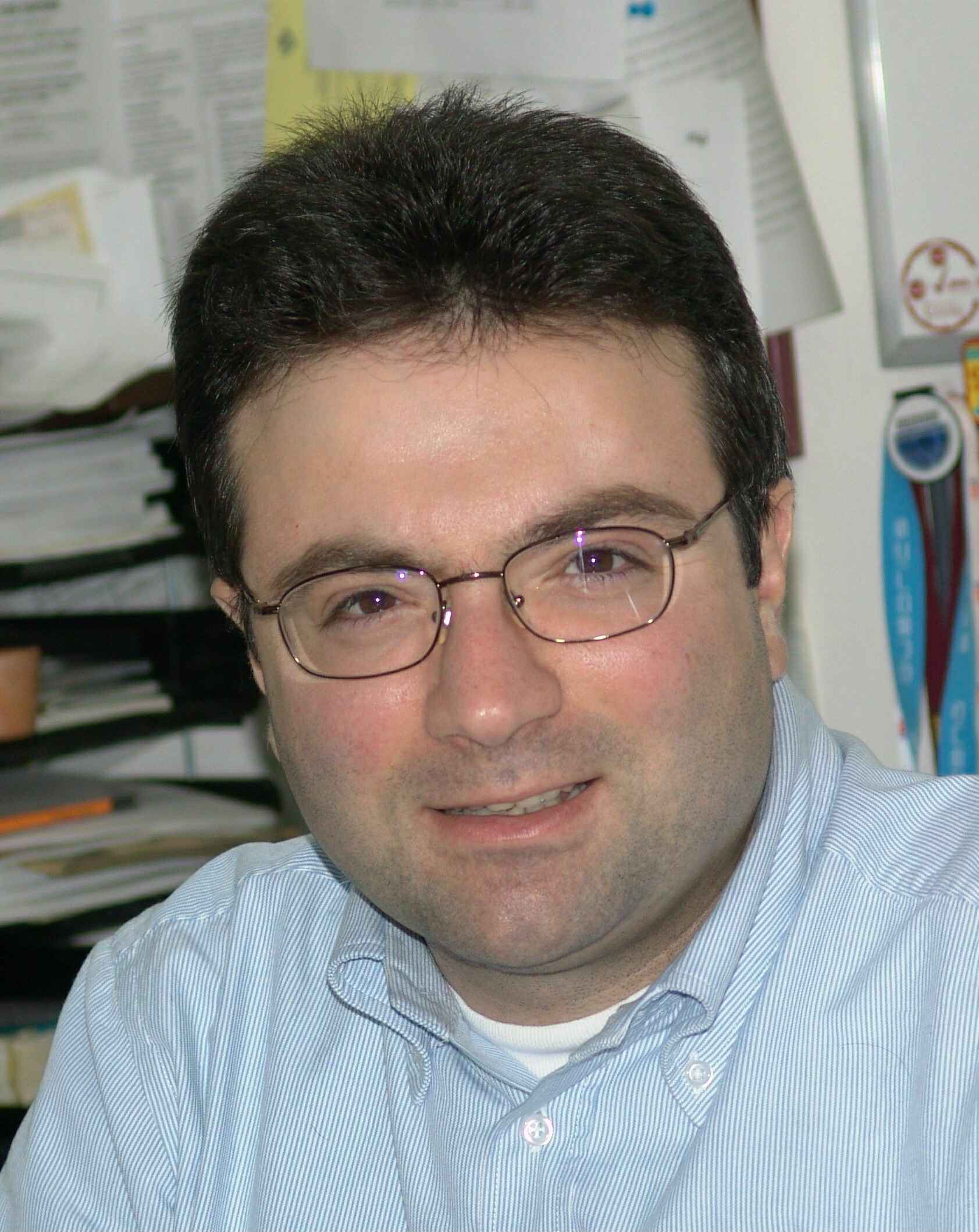
Dr. Amber Dumford is a Professor at the University of South Florida in the College of Education , specializing in Higher Education and College Student Affairs . She holds a Ph.D. in Higher Education (with a cognate in Sociology) from Pennsylvania State University , a M.P.A. from Indiana University Bloomington , and a B.S. in Mathematics from the same institution. Teaches courses in Student Affairs Assessment, College Teaching, and Globalization in Higher Education Currently serves on doctoral dissertation committees Active in research on student engagement, gender issues, and data quality in higher education Reviews for 20+ peer-reviewed journals and serves on editorial boards of top journals Consultant for National Center for Educational Statistics and institutions in US/Canada Research Interests include: Factors influencing student engagement and learning Gender disparities in higher education Arts and engineering education outcomes Creativity in academic settings Quantitative reasoning and assessment Data quality in educational research Food insecurity among diverse college students Publications reflect trends in student engagement , career readiness , data-driven educational practices , and equity in higher education . Her recent works focus on socioecological factors affecting food pantry usage and validity of survey instruments in measuring student behaviors. Service Contributions : Active member of university committees and councils Board member of Research in Higher Education and Journal of College Student Development Statistical modeling consultant for National Center for Educational Statistics Teaching Experience spans traditional mathematics instruction (2002-2014) to higher education seminars and globalization studies at USF. She plans to develop data analytics and institutional research courses.
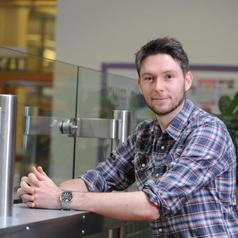
Dr Daniel Kilvington is a Senior Lecturer and Course Director in Media and Cultural Studies at Leeds Beckett University. He is a leading expert on race, racism, and anti-racism in sports and new media, with a focus on British South Asian exclusion in English football. Key affiliations: Leeds Beckett University, Zesh Rehman Foundation (Trustee), West Riding County FA Inclusion and Advisory Group. Collaborations include the English Premier League, Kick It Out, FARE, and ECB. Research interests: His work examines online harms in sports, institutional racism in football, anti-racist pedagogy in coaching, and structural inequalities affecting British South Asians in football. He has authored five books and co-founded the Sport and Discrimination Conference series. Articles trends: His recent publications highlight social media as a new frontier for racism, the need for institutional accountability, and the role of education in combating discrimination. Themes include British South Asian football communities, digital hate speech, and grassroots reform. Grants: He has secured funding from the Arts and Humanities Research Council (AHRC) and the British Academy for research on inclusive sports environments. Initiatives: Created the Creating and Developing Coaches program to address exclusion in football coaching. Media presence: Regularly featured in Sky Sports News, BBC Radio 5 Live, and The Guardian.
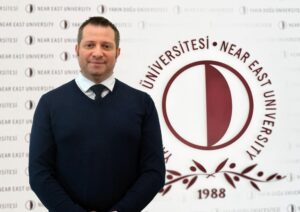
Prof. Dr. Fadi AL-TURJMAN serves as the founding Dean of the Faculty of AI and Informatics at Near East University (NEU), Cyprus. He holds multiple leadership roles including Head of the Software Engineering Department and Director of the AI and Robotics Institute and the International Research Center for AI and IoT. With a PhD in Computer Science from Queen’s University (2011), he specializes in AIoT systems, wireless networks, and blockchain integration. Affiliation: Near East University Leadership: Founding Dean for AI and Informatics, Director of AI & Robotics Institute Research Focus: His work bridges Artificial Intelligence of Things (AIoT) , Blockchain Applications , and Smart Networking . He explores cybersecurity frameworks for smart cities, quantum state optimization techniques, and novel AI-driven solutions for healthcare, agriculture, and energy systems. Key Article Trends: Recent publications emphasize Transformer models for environmental monitoring, blockchain-enabled security protocols , and evolutionary algorithms for resource optimization. His research spans interdisciplinary domains including medical diagnostics, vehicular networks, and sustainable infrastructure. Scientific Awards: Lifetime Golden Award of Dr. Suat Gunsel (2022) Multiple Best Research Awards at International Venues Labs & Teams: Directs the International Research Center for AI and IoT at NEU, leading multidisciplinary teams in developing advanced networking technologies and AI-driven solutions for global value chain applications.
Evangelia Petridou serves as Associate Professor in the Department of Humanities and Social Sciences at Mid Sweden University, where she is core faculty at the Risk and Crisis Research Centre (RCR). Her academic work bridges political science and practical crisis management, with emphasis on European policy processes and Swedish governance structures. Her research focuses on policy entrepreneurship dynamics during crises, particularly examining how actors navigate institutional constraints in emergency contexts. Key areas include reactive policy entrepreneurship, risk communication across EU nations, and the operationalization of national policy styles during pandemics. She integrates theoretical frameworks like Kingdon's Multiple Streams with empirical analyses of Swedish municipal responses to disasters. Recent publications (2022-2025) reveal three dominant trends: conceptual expansion of policy entrepreneurship to street-level bureaucrats, methodological innovation through immersive simulations in crisis training, and comparative analyses of European pandemic responses. Her work consistently addresses the tension between centralized policy directives and local implementation challenges, especially in decentralized systems like Sweden. Dr. Petridou leads multiple externally funded projects including FUTURESILIENCE, LEGITIPREP, and RISE (Resilience in Sweden: Governance, Social Networks and Learning). She directs the RCR Lab at Mid Sweden University, which pioneers experimental design in crisis management education through virtual/physical immersion classrooms. Her collaborative network spans 15+ European institutions with frequent co-authorship on cross-national policy studies.
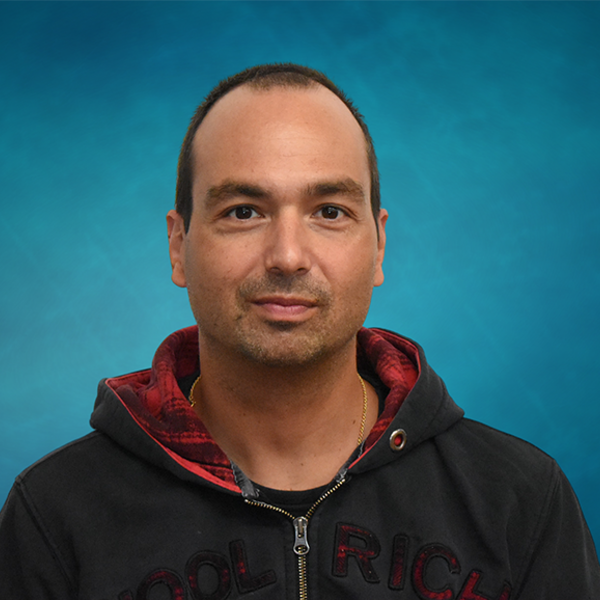
Nectarios Koziris is a Professor at the Department of Computer Science , National Technical University of Athens (NTUA) , and former Dean of the School of Electrical and Computer Engineering . His research focuses on Parallel and Distributed Systems , Computer Architecture , and Cloud Computing . Key Research Themes: Compiler-OS-Architecture Interaction, Datacenter Hyperconvergence, Sparse Matrix Optimization, Quantum Computing, FPGA Virtualization Leadership: Founder of ~okeanos (Europe's largest public Cloud IaaS), Co-founder of GFOSS , Member of IEEE Computer Society Greece, Advisor to Arrikto Inc. His work has led to over 180 publications with 5800+ citations (h-index 33) , including two Best Paper Awards (IPDPS 2001, CCGRID 2013) and Intel Recognition (2015). He has supervised 12 PhD students and participated in 15+ EU projects as coordinator or consortium partner. Scientific Leadership: Program Co-Chair for Europar 2012 , Organizer for IPDPS , ICPP , SC conferences, and active member in Cloud Computing Expert Groups for the European Commission.
Giorgio Scorzelli is a researcher at the University of Utah, serving as Director of Software Development for the Center for Extreme Data Management, Analysis, and Visualization (CEDMAV) and the National Science Data Fabric (NSDF) . He specializes in extreme data management, scientific visualization, and computational topology, with a focus on scalable solutions for climate science, materials science, and neuroscience datasets. His work emphasizes democratizing data access through platforms like OpenVisus , enabling efficient analysis of petascale and exascale data. Key contributions include orchestrating cyberinfrastructure, optimizing parallel I/O, and developing real-time visualization systems for heterogeneous resources. Notable scientific contributions include the NSF Grant #2127548 for NSDF development . His projects integrate cloud computing, geo-distributed storage, and FAIR digital objects to lower barriers to data democratization. Giorgio's research spans multi-resolution algorithms , computational topology , and 3D geometric modeling , with applications in infrastructure security, archaeological reconstruction, and biomedical imaging. His work bridges abstract mathematical frameworks (e.g., Boolean algebras, chain complexes) with practical software solutions.
Bettina Kubicek is Professor of Work and Organizational Psychology at the University of Graz, Faculty of Natural Sciences, where she leads research in the Smart Regulation profile area and contributes to the Human Factor in Digital Transformation and Brain and Behavior research networks. Her work bridges psychological theory with practical organizational challenges in contemporary workplaces. Her research spans work psychology, organizational psychology, and economic psychology with emphases on flexible work arrangements, work intensification, and human-robot collaboration. She investigates cognitive demands of flexible work, work-home interface dynamics, and digital transformation impacts through diary studies and experimental designs. Recent work explores telework challenges, AI in HR, and trust mechanisms in human-robot teams during disaster response. Analysis of her recent publications reveals growing focus on human-robot interaction in Industry 4.0, cognitive aspects of telework, and cross-cultural validation of work addiction scales. Her methodology combines intensive longitudinal designs with physiological measures, increasingly incorporating VR interfaces and AI-driven personnel selection experiments. Scientific awards include: Wirtschaftskammerpreis for project 'Flexible Arbeitsbedingungen und die Vereinbarkeit von Beruf und Familie' (2015) Innovationspreis der Universität Wien (2012) Multiple research stipends for University of Wisconsin-Madison stays (2005-2008) She has secured significant competitive grants including FWF-funded 'Cognitive demands of flexible work: Risks and challenges' (2017-2022) and FFG-supported 'Enabling and Assessing Trust when Cooperating with Robots in Disaster Response' (2021-2023), examining trust calibration and cognitive load in human-robot teams. Current projects address evidence-based guidelines for ICT use in work-life boundaries. As core member of the Human Factor in Digital Transformation network, she collaborates with engineers, computer scientists, and healthcare professionals to develop human-centered technological solutions, particularly in healthcare robotics and disaster response systems.
Steven Semken is a President's Professor of Geology and Education in the School of Earth and Space Exploration at Arizona State University. He holds additional affiliations as an Affiliated Faculty member with the Humanities for the Environment Global Network, the Global Drylands Center, the Osher Lifelong Learning Institute, the Global Futures Scientists and Scholars program, and the Division of Teacher Preparation at the Mary Lou Fulton College for Teaching and Learning Innovation. Dr. Semken earned his educational credentials from prestigious institutions: Certificate in Diné (Navajo) Educational Philosophy, Diné College, 1991 Ph.D., Materials Science (Ceramics), Massachusetts Institute of Technology, 1989 M.S., Geochemistry, University of California, Los Angeles, 1984 S.B., Earth and Planetary Science, Massachusetts Institute of Technology, 1980 As an ethnogeologist and geoscience-education researcher , Dr. Semken's work spans multiple interconnected domains that bridge scientific inquiry with cultural understanding. His primary research focuses on place-based and culturally responsive geoscience teaching methods, which he has developed through extensive fieldwork in geologically and culturally diverse regions of southwestern North America and Latin America. His research specifically investigates how sense of place influences geoscience learning, particularly among Indigenous and Latina/o communities, and how teaching approaches can be modified to honor cultural connections to land. This work extends to studying geological heritage and developing virtual field geology education experiences that maintain the pedagogical value of traditional fieldwork while increasing accessibility. His scholarship also encompasses the geological evolution of southwestern North America , which informs both his research and teaching practices. Analysis of Dr. Semken's recent publications reveals several key trends in his scholarly work. His research increasingly focuses on the integration of virtual and immersive technologies in geoscience education, particularly examining how virtual field experiences compare with traditional in-person fieldwork. There is also a strong emphasis on culturally responsive pedagogy , with numerous studies exploring how Indigenous knowledge systems can inform and enhance geoscience teaching. His work consistently bridges cognitive and affective domains of learning, recognizing that emotional connections to place are as important as intellectual understanding in geoscience education. Additionally, his scholarship demonstrates growing attention to issues of accessibility and inclusion in geoscience field education, developing methods to make geological field experiences available to students with diverse abilities. Dr. Semken's scientific achievements have been recognized with numerous prestigious awards: Fellow of the Geological Society of America Past-President and former Distinguished Speaker of the National Association of Geoscience Teachers ASU President's Professor (2025) 2014-2015 Zebulon Pearce Distinguished Teaching Award in Natural Sciences Highest awards for science teaching at Diné College in 1990, 1991, 1992, and 1995 Goodwin Medal (highest award for graduate teaching assistants at MIT) in 1985 Winner of the 2020 JGE Outstanding Paper Award from the National Association of Geoscience Teachers Winner of the 2015 Best Geologic Guidebook Award from the Geoscience Information Society Dr. Semken has been deeply involved in mentoring graduate students and early-career educators through numerous professional development workshops and research collaborations. He has co-organized and led over 20 educator professional-development workshops since 2009, focusing on place-based teaching, cultural context in geoscience education, and virtual field experiences. His grant-funded work includes collaborations with NASA, the American Geosciences Institute, and the EarthScope National Office, particularly supporting teacher leadership academies and workshops for Native American science educators. As a Principal Investigator and Co-PI on multiple NSF-funded projects, he has secured significant resources to advance research on the affective domain in geoscience education, place-based learning methodologies, and culturally responsive teaching approaches. Dr. Semken's research activities are supported by multiple collaborative teams and initiatives. He is associated with the Julie Ann Wrigley Global Futures Laboratory and is a Community Member of the Science Education Resource Center (SERC). His work on the "Trail of Time" at Grand Canyon National Park represents a significant public-facing educational initiative that combines geological time education with place-based interpretation. He has also developed the "Regional Geology of the Southwest" course as a living laboratory for place-based education research. His current research group includes graduate students working on projects related to virtual field experiences, ethnogeological knowledge systems, and cross-cultural science education. Through his leadership in the Earth Educators' Rendezvous and other professional networks, he has helped establish communities of practice focused on innovative geoscience teaching methods.
Victoria Wibeck is a Professor at Theme Environmental Change (TEMAM) , Linköping University, specializing in Environmental and Climate Communication . Her research examines how societal actors create meaning around climate and environmental challenges through media, policy, and everyday interactions, with a focus on digital tools and visualization in decision-making arenas like Norrköping. She leads international projects under programs such as Mistra Geopolitics and The Seed Box , addressing societal transformations toward sustainability. Education : Doctorate in Communication Studies (2002), Linköping University; Associate Professor in Water in Nature and Society (2009) Current Projects : 'Seeing, Knowing and Acting in the Climate-Biodiversity Nexus' (2023–2026), 'Small Island Developing States - Geopolitics of Marginality?' (2020–2022), and program director for The Seed Box (2017–2025). Her research spans three key areas: climate communication (media trends, visualization tools), societal transformations (geopolitical contexts, digital technologies), and methodological innovation (focus group techniques, phenomenological analysis). She supervises doctoral students and collaborates with institutions like Massey University (2016) and the University of Oxford (2013). Recent Trends : Her 2025–2024 publications highlight digital biodiversity tools, geopolitical climate framing, and organizational responses to climate policies. Studies emphasize dialogical frameworks , phenomenological approaches , and policy coherence , reflecting her expertise in bridging science, policy, and public understanding. Leadership Roles : Head of Unit at Theme Environmental Change (2023), Director of Studies for Environmental Science PhD programs, and former Guest Professor at Massey University. She serves on the Climate Policy Council's 2023 review panel.
Prof. Dr. Gudrun Oevel serves as an Adjunct Professor and CIO at the University of Paderborn , leading the Center for Information and Media Services (ZIM) . She also acts as an Information Security Officer since 2020. Appointed Adjunct Professor at University of Paderborn (2012) Role as CIO since 2012, advising on digitalization strategy Information Security Officer since 2020 Her research areas focus on: Technical and organizational implementation of E-Science and E-Learning Digital transformation in higher education Design of socio-technical infrastructures Open Educational Resources (OER) and digital editions Notable scientific awards include: DFG Postdoc Scholarship (1991-1993) for developing a graphics module for MuPAD Förderpreis (1987) for diploma thesis She actively contributes to scientific organizations : DFG NFDI Expert Panel (since 2019) Executive Board of ZKI e.V. (since 2015) Advisory Board of Deutsche Nationalbibliothek (since 2018)
Corinne Wallace is an Adjunct Assistant Professor in the Department of Civil Engineering at McMaster University , with research expertise at the intersection of water security, climate change, public health, and gender equity. Her work spans both technical engineering analysis and community-engaged studies, particularly focusing on marginalized populations in Canada, East Africa, and South America. Dr. Wallace's research interests include: Water-Health Nexus Climate Change Impacts on Disease Gender Equity in Water Access Indigenous Water Governance Mosquito-Borne Disease Modeling Rainwater Harvesting Systems Her publication trends show increasing focus on climate-health interactions (2025), gender-water linkages (2024), and machine learning applications for water quality analysis (2025). She employs mixed-methods approaches and works closely with First Nations communities and international development organizations. Dr. Wallace utilizes art-science communication strategies like the Virtual Water Gallery to transform water and climate knowledge dissemination. Her recent work explores EDI (Equity, Diversity, Inclusion) implementation in large research networks and conceptual frameworks for climate-water equity.
Renaud Pacalet is a Researcher at Institut Mines-Télécom – Télécom Paris , affiliated with the Communications and Electronics (Comelec) Department and the System on Chip (LabSoc) research team under the Information Processing and Communication Laboratory (LTCI). His work spans hardware security, embedded systems, and software-defined radio (SDR) architectures. Current Research: Hardware security, side-channel attacks (power, timing, fault injection), RISC-V security analysis using gem5, FPGA scheduling for cloud data centers, and model-driven design methodologies. Past Research: Hardware acceleration for ray tracing, SDR front-end processing, SoC security, and memory bus protection (SecBus project). Teaching: Courses on Digital Systems, Computer Architecture, and Hardware Security at EURECOM, including lab sessions on side-channel attacks and fault analysis. Email: renaud.pacalet@telecom-paris.fr Contact: Télécom ParisTech, Campus SophiaTech, 450 route des Chappes 06410 Biot, France
Pedram Johari serves as a Principal Research Scientist at Northeastern University's Institute for Wireless Internet of Things, working under Prof. Tommaso Melodia in the Department of Electrical and Computer Engineering within the College of Engineering. His research focuses on next-generation wireless communications with particular emphasis on medical applications and nanoscale networks. Dr. Johari earned his Ph.D. in Electrical Engineering from the University at Buffalo, State University of New York in 2018 under the supervision of Prof. Josep M. Jornet. Prior to joining Northeastern, he served as CTO of an IoT-tech startup in New York (2018-2019) and held academic positions at University at Buffalo as Adjunct Instructor and Research Assistant Professor (by courtesy appointment). His research spans four interconnected domains: Intra-body Communications and Networking focusing on nanoscale electromagnetic and optical communications within biological tissues; Internet of Medical Things developing wireless systems for healthcare applications; Low Power Wireless IoT creating energy-efficient communication protocols; and Vehicular Communications advancing cooperative driving systems. His work bridges theoretical modeling with practical implementation, often incorporating AI techniques for network optimization. Analysis of his recent publications reveals a strong trend toward digital twin technology for wireless networks, AI-enabled communication systems, and medical applications of nanoscale communications. His research increasingly integrates machine learning with traditional communication theory, particularly in Open RAN systems and seizure prediction technologies, demonstrating cross-disciplinary impact across engineering, computer science, and biomedical fields. Best Paper Award at IEEE Global Communications Conference (GLOBECOM) Best Short Paper Award at IEEE Vehicular Networking Conference (VNC) Best Presentation Award at IEEE Conf. on Computer Communications Workshops (INFOCOM WKSHPS) Dr. Johari actively contributes to academic service as a reviewer for numerous prestigious journals including IEEE Transactions on Wireless Communications, IEEE Transactions on Mobile Computing, and IEEE Internet of Things Journal. He has served on technical program committees for major conferences including IEEE/ACM CHASE and IEEE SECON. His teaching experience includes courses in programming, circuit analysis, and digital principles at University at Buffalo. As a key member of the Wireless Networks and Embedded Systems Lab at Northeastern University, Dr. Johari contributes to the Colosseum wireless network emulator project - recognized as the world's largest wireless network emulator. His work with the Institute for Wireless Internet of Things involves collaboration with industry partners to translate research into practical wireless communication solutions.
Prof. Dr. Michaela Noreik serves as Professor in the Department of Nutritional Science at Niederrhein University of Applied Sciences, Mönchengladbach, where she teaches Interdisciplinary Casework, Planetary Health Diet, and Special Seminar in Nutrition Research. She directs the Laboratory for Nutritional Status and maintains active consultation hours for student engagement. Her educational foundation includes a Dr. rer. medic. in nutritional therapy evaluation from Universität zu Köln (2009-2012) and dual degrees in Oecotrophology (Fachhochschule Münster) and Nutrition and Dietetics (Fachhochschule Nimwegen, NL) completed between 2004-2008. Noreik's research centers on obesity interventions, geriatric nutrition, and sustainable dietary systems. She leads projects including OWL (Online Weight Loss programmes), CReDDI (dietary intervention metabolism studies), and SwapSHOP (digital grocery interventions). Her work bridges clinical practice with academic rigor, emphasizing evidence-based approaches to nutritional assessment and therapy standardization. Recent publications (2013-2021) reveal strong focus on digital health interventions for weight management, dietary approaches to type 2 diabetes, and nutritional implications in neurodegenerative conditions. Her methodology frequently employs randomized controlled trials and systematic reviews, with growing emphasis on planetary health frameworks and sustainable food systems. Her scientific recognition includes: 2019 Award of Excellence for Consistent Outstanding Performance (Oxford University) Noreik has secured significant third-party funding for clinical studies in obesity and oncology during her Oxford tenure. Current student projects involve developing nutrition assessment databases and implementing mobee®360 digital platforms. She actively supervises interdisciplinary casework modules with healthcare disciplines. She established the Laboratory for Nutritional Status at Niederrhein University and previously built nutrition teams at St. Marien-Hospital Köln. Her international collaborations include Hogeschool van Arnhem en Nijmegen and Umeå University for planetary health initiatives, reflecting her commitment to transnational research networks.
Dr. Edward T. Chen serves as Professor in the Department of Operations and Information Systems at the University of Massachusetts Lowell's Manning School of Business, where he has received multiple teaching excellence awards. His academic career includes prior faculty positions at Southeastern Louisiana University and National Chung Cheng University, complemented by industry experience as a systems analyst at PepsiCo. His educational credentials include: BS in Management Science from National Chiao-Tung University, Taiwan MBA in Information Systems from Texas Tech University, Lubbock, TX PhD in Information Systems from the University of Texas at Arlington, TX Dr. Chen's research spans critical intersections of information systems with healthcare, agriculture, and business operations. His work emphasizes Knowledge Management Systems , Telemedicine Innovations , and Smart Farming Technologies , with recent expansion into AI-driven healthcare solutions and Cybersecurity frameworks . His publications demonstrate consistent focus on practical implementations addressing real-world challenges in information technology adoption. Analysis of his 2018-2024 publications reveals three dominant trajectories: (1) Healthcare transformation through telemedicine, blockchain, and AI; (2) Sustainable technology applications in agriculture and environmental management; (3) Ethical considerations in big data and privacy. These themes reflect growing industry demands for secure, efficient, and human-centered information systems across sectors. His scientific recognition includes: Outstanding Teacher Recognition from UMass Lowell Student Government Association Excellent Teaching Award from National Chung Cheng University Best Graduate Teaching Performance Award from University of Texas at Arlington Outstanding Paper Award for healthcare information systems research Dr. Chen actively contributes to academic service as journal editor-in-chief, board director, and editorial reviewer for major information systems associations. His research is supported by significant grants including: HED-funded project on Sustainable Coffee and Biofuel Production in Central America USAID Center for Sustainable Infrastructure in Developing Regions (Living Waters Initiative) He maintains permanent memberships in academic honor societies Beta Gamma Sigma, Alpha Iota Delta, Omega Rho, and Phi Beta Delta, reflecting sustained scholarly contributions to the field.