Chao Liu is a Research Scientist at CNRS (French National Center for Scientific Research) since 2008, affiliated with the DEXTER team and the Department of Robotics, LIRMM at University of Montpellier, France. He earned his Ph.D. in Electrical & Electronic Engineering from Nanyang Technological University, Singapore (2006). Current research focuses on surgical robotics , haptics , teleoperation , and nonlinear control theory with applications in computer vision. His work addresses challenges in robotic-assisted telesurgery, including: Stable and transparent human-robot interaction through wave variable compensators and passivity filters Physiological motion compensation using spatio-temporal LSTM and dual Kalman filters EMG-based motion recognition for surgical skill assessment 3D soft-tissue reconstruction with stereo-endoscopes and deep learning Dr. Liu leads European and French projects like: TS2RT (CNRS-funded): Safer teleoperation with motion compensation ROBACUS (ANR-funded): Needle positioning with MPC control HaTUMoCo (CNRS-funded): Haptic teleoperation with uncertainty handling ARAKNES (EU-funded): Microrobotic systems for endoluminal surgery Scientific honors include Senior Member of IEEE and Member of Sigma Xi . He supervises Ph.D. and Master's students working on topics such as concentric tube robot optimization, haptic teleoperation, and EMG-based force estimation. Dr. Liu serves on IEEE Technical Committees for Telerobotics and Haptics , and as Technical Editor of IEEE/ASME Transactions on Mechatronics.
Adam Feinberg is a Professor in the Departments of Biomedical Engineering and Materials Science and Engineering at Carnegie Mellon University (CMU). He leads the Regenerative Biomaterials & Therapeutics Group, focusing on cell-material interactions, 3D bioprinting, and bioengineered tissues. His work integrates nanofabrication, molecular biology, and 3D imaging to address challenges in muscle repair, corneal regeneration, and cancer. Key innovations include the FRESH bioprinting platform, enabling soft ECM gel-based constructs, and ECM shrink-wrapping techniques for cell encapsulation. Feinberg holds a Ph.D. and MS in Biomedical Engineering from the University of Florida (2004, 2002) and a BS in Materials Science and Engineering from Cornell University (1999). He has secured major grants, including ARPA-H funding for diabetes treatments and Canada’s New Frontiers Fund for heart disease therapies. His research has led to over 45 peer-reviewed articles and 20 patents. His scientific awards include the NIH Director’s New Innovator Award and NSF CAREER Award. Media highlights include breakthroughs in vascularized tissue models and biodegradable actuators. Feinberg collaborates widely, advancing clinical translation of bioprinted tissues and sustainable bio-bots.
Professor Kaspar Althoefer is a Professor of Robotics Engineering at the School of Engineering and Materials Science , Queen Mary University of London. He leads the Centre for Advanced Robotics @ Queen Mary (ARQ) and serves as Programme Director for BEng/MEng Robotics Engineering. His research focuses on robot autonomy, soft robotics , and tactile sensing with applications in healthcare, nuclear engineering, and manufacturing. Research Highlights: Soft Robotics, Tactile Sensing, Haptic Perception, Minimally Invasive Surgery, Human-Robot Interaction Key Collaborations: St Thomas Hospital London, EU Horizon Europe, EPSRC, Innovate UK Accomplishments: £10M+ as Principal Investigator, 500+ peer-reviewed papers, 7 patent applications His work spans robot autonomy , soft robotics , and machine learning , particularly in modeling tool-environment interactions and developing tactile sensors for surgical and nuclear applications. Recent projects include intelligent endoscopic microsurgery robots and eversion robots for radiation mapping . Scientific Awards: Senior Member, IEEE He supervises a team of 6 PhD students and postdoctoral researchers, with completed projects in soft robotic gloves , pneumatic actuators , and eversion robot navigation .
Carolyn Sparrey is an Associate Professor and Graduate Student Supervisor in the School of Mechatronic Systems Engineering at Simon Fraser University (SFU). She leads the Neurospine Biomechanics Laboratory, focusing on injury prevention and management through biomechanical research. Her work bridges engineering principles with clinical applications, collaborating with Vancouver General Hospital and accident reconstruction experts. Dr. Sparrey holds a Ph.D. in Mechanical Engineering (UC Berkeley, 2008), M.A.Sc. (UBC, 2004), and B.A.Sc. (University of Waterloo, 2001). Her research emphasizes spinal cord injury mechanics, tissue material characterization, and patient-specific modeling. She teaches courses like MSE 420 (Biomechanical Engineering) and MSE 222 (Kinematics and Dynamics). Her lab’s current projects include mechanical characterization of neurological tissues, thermodynamic modeling of spinal cord injury treatments, and injury prevention device design. Funding opportunities are available for exceptional graduate students through NSERC and CIHR awards. Undergraduate and co-op students can engage in projects aimed at publishing or presenting results. Dr. Sparrey actively promotes interdisciplinary collaboration, with a focus on translating engineering solutions into clinical practice. Her teaching philosophy prioritizes preparing students for industry, research, and societal contributions through innovative curricula.
Professor Jerome Liang is a distinguished faculty member at Stony Brook University's Renaissance School of Medicine, holding professorships in Radiology, Biomedical Engineering, Electrical and Computer Engineering, and Computer Science. He serves as Co-Director of Radiology Research and has established himself as a leading expert in medical imaging reconstruction techniques. Dr. Liang's educational background includes a Ph.D. in Physics from City University of New York, postdoctoral training at Duke University, and fellowship at Albert Einstein College of Medicine. His undergraduate degree in Modern Physics was obtained from Lanzhou University in China. His primary research interests focus on advanced medical imaging techniques, particularly low-dose computed tomography image reconstruction, quantitative SPECT reconstruction, high-resolution PET imaging, tissue segmentation from multi-spectral images, computer-aided diagnosis systems, and virtual colonoscopy development. His work bridges engineering principles with clinical applications to improve diagnostic imaging capabilities while reducing radiation exposure. Analysis of his recent publications reveals a strong focus on machine learning applications in medical imaging, particularly in polyp classification, dual-energy CT spectral analysis, and virtual endoscopy. His research consistently aims to enhance diagnostic accuracy while optimizing radiation dose and improving visualization techniques for various medical conditions. 1981 China-US Physics Examination and Application Program (CUSPEA) Winner (Top 25 among 250,000 candidates) 1990 NIH First Investigator Award 1996 American Heart Association Established Investigator Award 1996 Radiological Society of North America Certificate of Merit Award 2002 SUNY Chancellor's Entrepreneur Award 2007 IEEE Society Fellow 2011-2013 SBU, BNL and CSHL Certificates of Excellence in Research and Invention 2013 Stony Brook School of Medicine Award for Excellence in Translational Research Dr. Liang has secured significant research funding including NIH/NCI R01 grants for "Advanced Virtual Colonoscopy for Early Cancer Screening" and "Radiogenomics of Colorectal Polyps." He currently leads active protocols including IRB 93995-MODCR005 focused on integrating virtual and optical colonoscopies with pathological analysis. His laboratory (IRIS - Imaging Research and Informatics) continues to advance medical imaging technology while mentoring the next generation of researchers in this critical field.
Professor Daniel Catchpoole serves as Deputy Head of School (Research) at the School of Computer Science, University of Technology Sydney (UTS), holding dual appointments at UTS and The Children's Hospital at Westmead. With over 20 years of research experience, he bridges computational sciences and pediatric cancer research through the Biomedical Data Science Lab in the Australian Artificial Intelligence Institute. His work integrates data analytics, artificial intelligence, and software development with molecular cancer biology to transform pediatric cancer treatment pathways. PhD in Cancer Cell Biology, University of New South Wales (1991-1995) Founding Fellow, Royal College of Pathologists Australasia (2010-present) Head, Children's Hospital at Westmead Tumour Bank (2001-present) Professor Catchpoole's research focuses on translational applications of genomics in childhood cancers, particularly acute lymphoblastic leukemia and neuroblastoma. His work combines high-throughput genomic technologies with advanced computational analysis to develop systems biology approaches for cancer patient assessment. Recent projects explore virtual reality applications for complex genomic data visualization and copper chelation therapies to enhance neuroblastoma immunotherapy. His research has received significant funding from Cancer Institute NSW, Sony Foundation, ARC, and NHMRC. His publication record spans biomedical data science, cancer genomics, and virtual reality applications in oncology. Recent work demonstrates leadership in 3D latent diffusion models for tumor segmentation, biobank economics, and innovative immunotherapies. His research consistently addresses the critical need for actionable knowledge from complex multidimensional biomedical data. Editorial Board Member, Cancers (2023) Associate Editor, Innovations in Digital Health, Diagnostics and Biomarkers (2019) Founding member and first President, Australasian Biospecimens Network Association Professor Catchpoole has supervised 17 Honours students (including 6 First Class Honours), 3 MSc students, and 12 PhD candidates across multiple institutions, with 6 current PhD students. His collaborative research bridges UTS's Faculty of Engineering and IT with The Children's Cancer Research Unit at The Children's Hospital at Westmead. Significant research funding includes Cancer Institute NSW grants, Sony Foundation VR projects, and ARC Discovery Projects focused on genomic data analysis and clinical decision support systems. His leadership extends to building frameworks for translational research, managing biobanks and clinical data linkages, and navigating governance requirements for cancer research. The Tumour Bank at Kids Research, CCRU, represents his long-standing commitment to pediatric cancer infrastructure development.
Stéphanie Ruphy is a Professor of Philosophy of Science at the École Normale Supérieure - PSL University in Paris, where she conducts research at the intersection of philosophy, science policy, and scientific integrity. She currently serves as Director of the French Office for Research Integrity (OFIS), demonstrating her leadership in promoting ethical research practices across France. Her educational background is uniquely interdisciplinary, holding a doctorate in astrophysics from Sorbonne University and a PhD in philosophy from Columbia University in New York. This dual expertise informs her distinctive approach to philosophical questions about science. Ruphy's research centers on scientific pluralism, scientific integrity, and the relationship between science and democracy. She has developed the concept of "foliated pluralism," which challenges traditional metaphysical interpretations of scientific diversity. Her work examines how citizen participation can enhance scientific objectivity and how research governance structures affect scientific progress. She explores the philosophical implications of computer simulations in scientific practice and investigates questions about natural kinds across different scientific domains. Her publications reveal a consistent focus on the philosophical foundations of scientific practice, with particular attention to the relationship between scientific methods and societal values. Ruphy has made significant contributions to understanding how scientific pluralism relates to metaphysical questions, how citizen science affects scientific objectivity, and how research integrity frameworks can be strengthened. Her work bridges theoretical philosophy with practical concerns about research governance. Among her notable honors: Member of Academia Europaea (2018) Member of European Academy of Sciences (EURASC) (2017) Appointed to French Council for Scientific Integrity (CoFIS) (2017) As an educator at the École Normale Supérieure, Ruphy mentors future researchers in understanding their responsibilities within knowledge societies. She has observed growing student interest in "involved" research connected to societal concerns. Her work on a research integrity oath for PhD students in France demonstrates her commitment to embedding ethical considerations in research training. She actively engages with policy questions about balancing scientific freedom with societal responsibilities. Ruphy leads significant initiatives in research integrity through her directorship of OFIS, where she organizes conferences and develops frameworks for maintaining trust in scientific practices. Her work connects academic philosophy with practical policy concerns, creating bridges between theoretical considerations and real-world research governance.
Neda Haj Hosseini is a Senior Lecturer and Associate Professor in Biomedical Engineering at Linköping University's Department of Biomedical Engineering (IMT) . She contributes to teaching courses like TBMT56 - Medical Technology and TBME08 - Biomedical Modeling and Simulation , while leading research initiatives in AI-driven cancer diagnostics and biomedical optics. Research Focus: Development of AI methods for cancer diagnostics, optical coherence tomography (OCT) applications, and fluorescence spectroscopy in surgical guidance Affiliations: Center for Medical Image Science and Visualization (CMIV) , Analytic Imaging Diagnostic Arena (AIDA) , Swedish Medical Technology Association Recent Research Trends demonstrate expertise in applying deep learning to: Pediatric brain tumor classification using multimodal imaging Optical biopsy techniques for intraoperative decision support Automated biomarker quantification in histopathology Medical imaging data integrity and algorithm validation Scientific Awards include grants from: Joanna Cocozza Foundation (2022) Swedish Childhood Cancer Foundation (2024) Academic Leadership involves mentoring students in projects such as: "Multiple Instance Attention-based Learning for Brain Tumor Classification" "Vision Transformers for Multiclass Brain Tumor Tissue Classification" "Reaction-diffusion Models for Image-driven Tumor Simulation"
Prof. Markus Axer is a Professor and Deputy Head of the Structural and Functional Organisation of the Brain (INM-1) at the Institute of Neuroscience and Medicine (INM) within Forschungszentrum Jülich. His research focuses on connectomics, neuroimaging technologies (e.g., 3D-Polarized Light Imaging), and high-performance computing applications in brain architecture analysis. He leads the 'Fiber Architecture' working group, advancing microscopy techniques like scattered light imaging and MRI-histology correlation for studying brain microstructure. His work bridges experimental neuroscience with computational methods, aiming to decode brain organization at meso- and macroscales. Key achievements include developing the HippoMaps atlas of the human hippocampus and improving fiber orientation mapping in brain tissue. Awards include Fellowship in the Royal Netherlands Academy of Arts and Sciences (2024). Research emphasizes cross-modal data integration, with applications in Alzheimer’s disease biomarker validation and primate brain evolution studies. He collaborates with academic institutions like the University of Wuppertal and contributes to international initiatives like the BigBrain Analytics Learning Laboratory.
Bjoern Bauer, PhD is a Professor in the Department of Pharmaceutical Sciences at the University of Kentucky, affiliated with the Sanders-Brown Center on Aging. His research focuses on blood-brain barrier (BBB) biology, Alzheimer’s disease mechanisms, and drug delivery strategies for neurological disorders. Bauer’s work explores how BBB dysfunction contributes to neurodegenerative diseases and cancer, with particular attention to efflux transporters like P-glycoprotein (ABCB1) and their roles in drug resistance and amyloid beta pathology. Key research areas include: 1) BBB leakage and its role in Alzheimer’s disease progression, 2) development of therapeutic strategies to modulate BBB transporters, 3) preclinical models of glioblastoma and neurodegeneration, and 4) biomarker discovery for early disease detection. His lab utilizes advanced in vitro BBB models, transgenic mouse models (e.g., 5xFAD), and imaging techniques to study these processes. Bauer’s contributions span over 40 peer-reviewed publications since 2001, with recent work emphasizing oxidative stress mechanisms, tumor drug resistance, and translational approaches to BBB targeting. Current efforts include investigating S100β as a plasma biomarker and exploring proteasome inhibition as a therapeutic avenue for restoring BBB integrity. He leads the Bauer-Hartz Lab, collaborating extensively with neurologists, oncologists, and pharmacologists to advance CNS drug delivery technologies. He holds a PhD in Pharmacology and has been a faculty member at the University of Kentucky since joining Sanders-Brown in [year not explicitly stated]. His research is supported by grants focusing on BBB biology, Alzheimer’s disease, and cancer pharmacology.
James Abbas serves as Professor of Biomedical Engineering at the University of Arkansas College of Engineering, where he develops neural engineering solutions for medical rehabilitation and exercise. His work integrates neurotechnology design, computational modeling, and human subject experimentation to advance rehabilitation systems. His academic background includes: B.S. in Bioelectrical Engineering from Brown University M.S. and Ph.D. in Biomedical Engineering from Case Western Reserve University Postdoctoral Fellowship at Shriners Hospital in Philadelphia, PA Dr. Abbas' research centers on neural engineering for rehabilitation , with expertise in neurotechnology development , computational modeling of neuromuscular systems , and experimental evaluation of rehabilitation technologies . His work bridges engineering innovation with clinical applications, particularly for Parkinson's disease and spinal cord injury rehabilitation. Key methodologies include intrafascicular electrode design, stimulation waveform optimization, and haptic feedback systems for prosthetic control. Analysis of his 2021-2025 publications reveals dominant trends in selective peripheral nerve stimulation , neural interface engineering , and personalized rehabilitation robotics . His work consistently addresses clinical translation challenges, with increasing focus on wearable military rehabilitation systems and AI-driven personalization of neurorehabilitation protocols. Professional recognition includes: Senior Member of the National Academy of Inventors Senior Member of IEEE Dr. Abbas maintains significant editorial leadership as Associate Editor for IEEE EMBS and Neural Engineering Conferences, while serving on the Editorial Boards of the Journal of Neuroengineering and Rehabilitation and Frontiers in Neuroengineering. He contributes to national initiatives as a Steering Committee member for the NIH SPARC Initiative's Data Resource Center. Though specific grant details aren't provided, his active research program and editorial roles indicate substantial funding and collaborative networks. No student advisees are listed in the source material. His research operates at the intersection of the Biomedical Engineering department and clinical rehabilitation partners, with emphasis on translating neural engineering innovations into practical rehabilitation solutions through interdisciplinary teams.
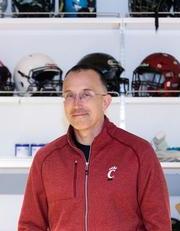
Eric Nauman is the Dane A. and Mary Louise Miller Professor of Biomedical Engineering at the University of Cincinnati and director of the Human Injury Research and Regenerative Technologies (H.I.R.R.T.) Lab. Previously, he held academic roles at Purdue University and Tulane University. He earned his Ph.D., M.S., and B.S. in Mechanical Engineering from UC Berkeley and the University of Delaware. Research Focus: The H.I.R.R.T. Lab investigates mechanisms of traumatic brain injury, spinal cord injury, musculoskeletal damage, atherosclerosis, and cancer metastasis. It develops protective and reconstructive treatments, including FDA-approved engineered tissue products for tendon repair. Collaborative projects emphasize translational research in injury prevention and treatment delivery. Grants & Awards: Lead Principal Investigator (PI) on federal grants totaling $4.7M for projects like AFRL teeming agreements and DoD biomathematical models. Recipient of prestigious awards including the Purdue Book of Great Teachers, Innovators Hall of Fame, and multiple teaching excellence recognitions. Key Contributions: Co-authored landmark TBI studies, holds 14 U.S. patents, and pioneered protective equipment innovations. His work bridges biomechanics, materials science, and clinical applications.
Kyle B. Reed serves as an Associate Professor in the Department of Mechanical Engineering at the University of South Florida's College of Engineering. His academic career at USF has progressed from Assistant Professor (2009-2016) to his current position as Associate Professor (2016-present), following postdoctoral research at Johns Hopkins University. He teaches specialized courses including Haptics (EML 4593/6594), Mechanical Controls, and Advanced Engineering Mathematics. Dr. Reed earned his Ph.D. (2007) and M.S. (2004) in Mechanical Engineering from Northwestern University, and his B.S. in Mechanical Engineering from the University of Tennessee-Knoxville (2001). Prior to his faculty position, he completed postdoctoral research at Johns Hopkins University's Laboratory for Computational Sensing and Robotics (2007-2009) and worked as a researcher at Los Alamos National Laboratory (1998-2001). His research focuses on rehabilitation engineering, haptics, human-robot interaction, and medical robotics, with applications in medical devices and rehabilitation technologies. The REED Lab (Rehabilitation Engineering and Electromechanical Design Lab), which he directs, develops innovative solutions for human motion analysis and assistive technologies. His work bridges fundamental engineering principles with clinical applications, particularly in stroke rehabilitation and assistive device development. Analysis of his publication record shows consistent contributions to haptics research, human-robot interaction, and rehabilitation engineering. His work spans theoretical investigations of human motor control to practical applications in medical devices, with publications appearing in venues like IEEE Transactions on Haptics, EMBC, and Haptics Symposium. Recent work emphasizes wearable haptic devices, rehabilitation robotics, and human factors in medical technology. Developed the Gait Enhancing Mobile Shoe (GEMS) prototype during postdoctoral work Created minimally invasive steerable needle system for biopsies at Johns Hopkins Established REED Lab focusing on rehabilitation engineering and haptic technologies Developed innovative haptic devices for communication, rehabilitation, and education Dr. Reed actively mentors students through the REED Lab, supervising both graduate and undergraduate researchers. His teaching philosophy emphasizes building intuition while providing frameworks for logical problem-solving. He incorporates substantial project components into his courses, with students regularly developing haptic devices and robotics applications that sometimes lead to publications. The lab maintains strong outreach connections, working with K-12 students to promote engineering education. The REED Lab, located in the Interdisciplinary Research Building Room 114 on USF's Tampa campus, serves as the hub for his research activities. Current projects include wearable haptic devices for communication, diagnostic tools for Parkinson's disease, and rehabilitation technologies for gait analysis. The lab maintains strong connections with both clinical partners and industry, facilitating translational research from concept to application.
Binil Starly is an Adjunct Professor at North Carolina State University's Edward P. Fitts Department of Industrial and Systems Engineering, part of the College of Engineering. He leads the Data Intensive Manufacturing Laboratory (DIME Lab), focusing on digital-physical integration in manufacturing, additive manufacturing, and biofabrication. His work emphasizes democratizing manufacturing access through machine learning and smart systems. Starly holds a B.S. in Mechanical Engineering from the University of Kerala (2001) and a Ph.D. from Drexel University (2006). He previously worked at the University of Oklahoma on tissue engineering platforms. His research spans digital factories, smart manufacturing, and biometrology, with over 45 journal publications. His awards include the NSF CAREER Award (2009), SME Young Manufacturing Engineer Award (2011), and multiple teaching/research recognitions at NC State. He teaches courses on product development, additive manufacturing, and Python for industrial engineers. Starly’s research trends emphasize blockchain in manufacturing ecosystems, cybersecurity for IoT devices, and knowledge graphs for service discovery. He co-leads the Functional Tissue Engineering (FTE) Program, integrating regenerative medicine with scalable manufacturing processes. His grants focus on smart manufacturing innovation, blockchain platforms, and real-time bioprinting monitoring. He advises 7 graduate and 3 undergraduate students, having guided 22 M.S. and 6 Ph.D. students. His outreach includes online courses on smart manufacturing and Python programming through NC State’s Wolfware Outreach. The DIME Lab develops advanced manufacturing technologies, including digital twins for industrial metaverse applications and machine authentication systems. Collaborations span academia, industry, and government to advance personalized manufacturing solutions.
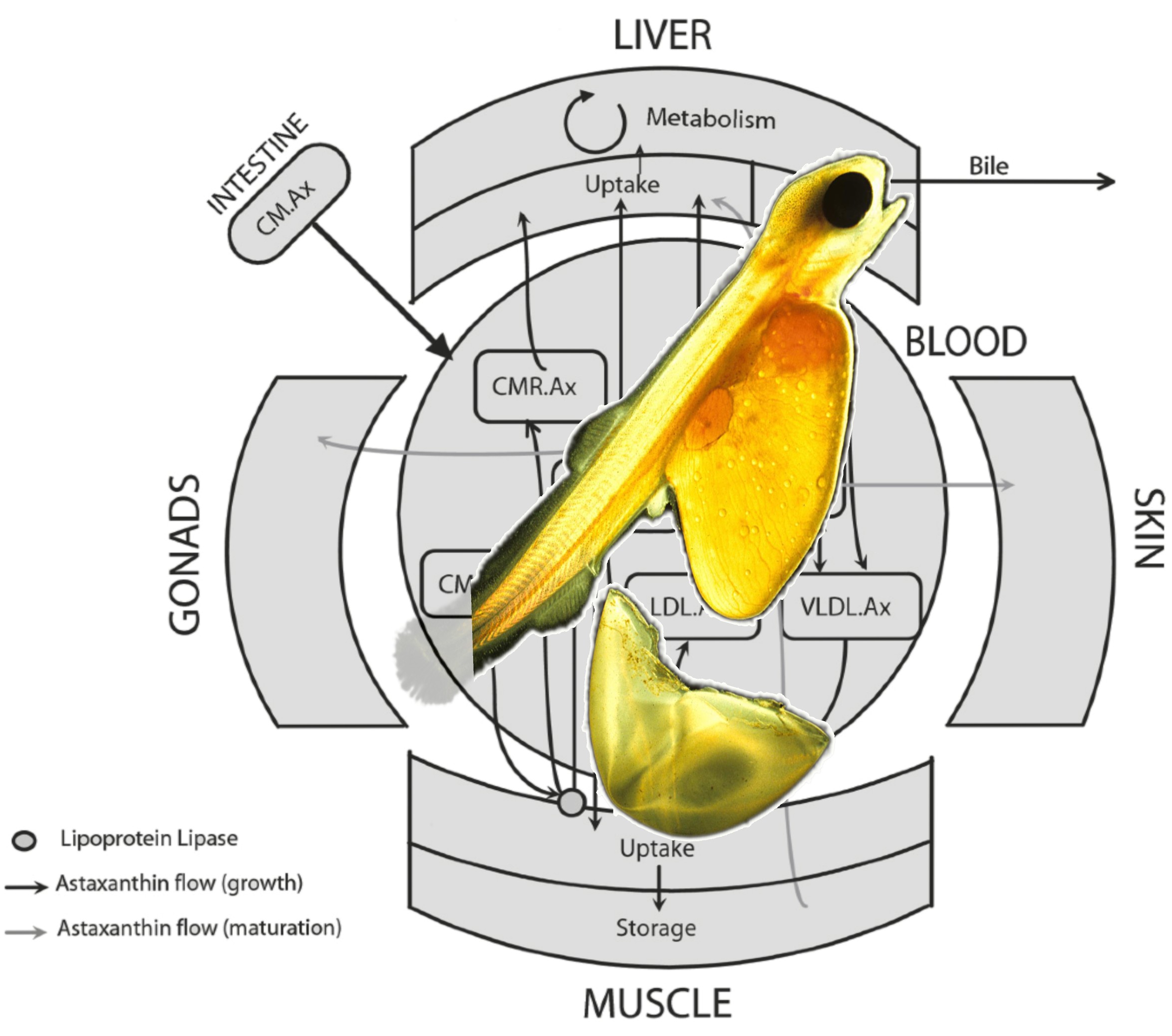
Jon Olav Vik is a Professor at the Norwegian University of Life Sciences (NMBU), affiliated with the Department of Mathematical Sciences and Technology within the Faculty of Science and Technology. He leads the DigiSal project—"Towards the Digital Salmon: From a reactive to a pre-emptive research strategy in aquaculture"—funded under the Research Council of Norway’s Digital Life initiative. He is also a lead modeller in the GenoSysFat project, which aims to enhance omega-3 content in farmed salmon through integrated genomics and systems biology approaches. His research spans systems biology , computational physiology , genotype-phenotype modeling , and ecological dynamics . He works at the intersection of biology, mathematics, and computer programming, developing models to understand how genetics, nutrition, and environment interact in fish and ecological systems. His pedagogical focus includes biostatistics and programming in R, and he teaches courses such as STIN100, STIN300, and STAT100. The 15 most recent publications reflect a consistent focus on systems-level understanding in biology, particularly in salmon aquaculture, metabolic regulation, and genotype-phenotype relationships. These works appear in high-impact journals like Nature , Science , PLOS Computational Biology , and Journal of The Royal Society Interface , demonstrating interdisciplinary reach across computational biology, genomics, ecology, and biostatistics. Key themes include metabolic modeling, microbiome stability, lipidome remodeling, and sensitivity analysis in dynamic models. Jon Olav Vik has contributed to major collaborative efforts including the Infrastructure for Systems Biology Europe (ISBE) , where he helped develop frameworks for "modelling as a service." He has also authored book chapters and technical deliverables on systems biology and modeling practices. He actively supervises students and invites master’s thesis candidates with interests in quantitative biology. While no specific awards are listed, his leadership in national and international research projects underscores his scientific impact. His work supports both fundamental science and sustainable aquaculture innovation.