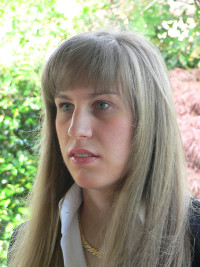
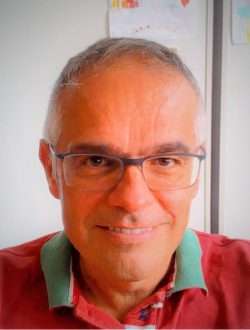
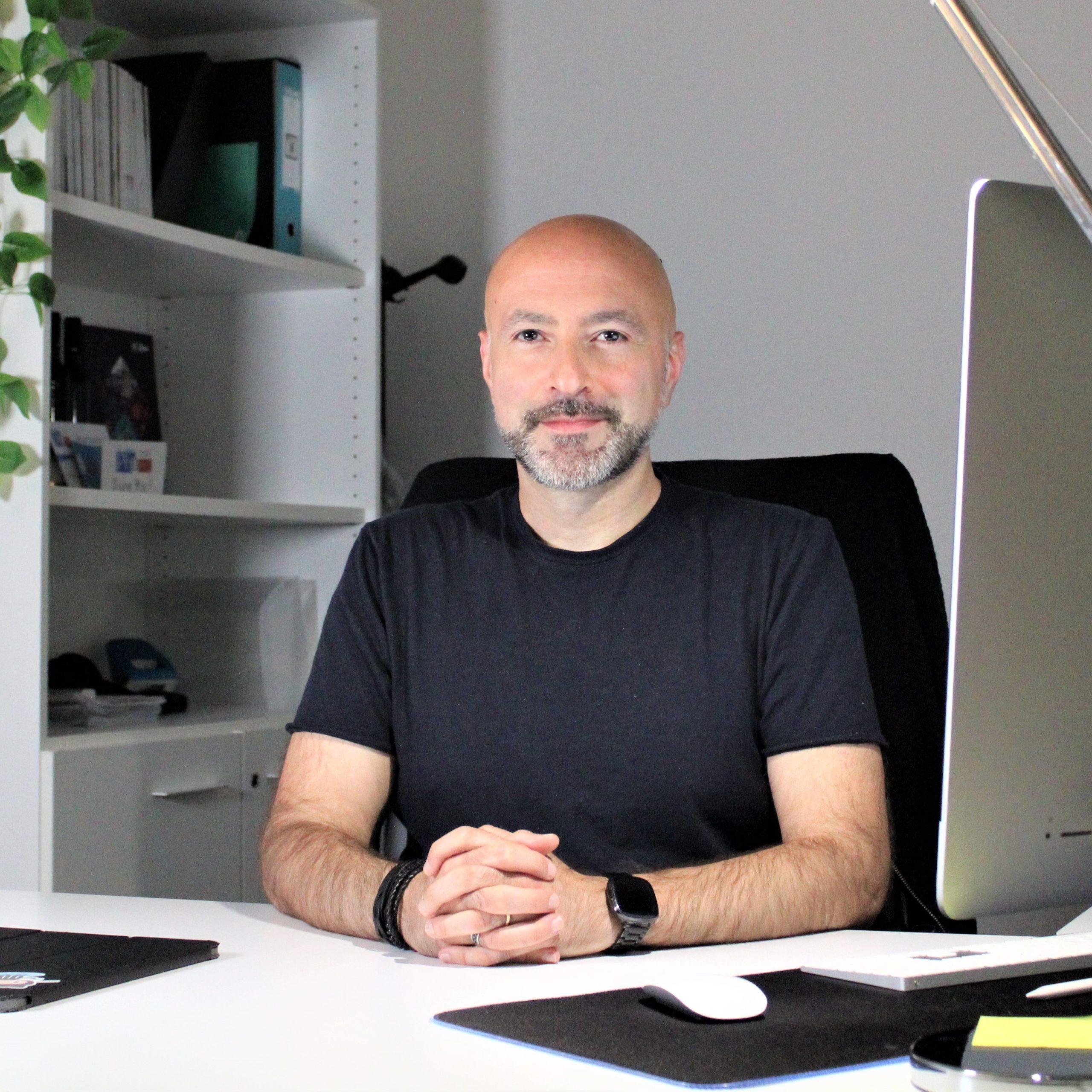
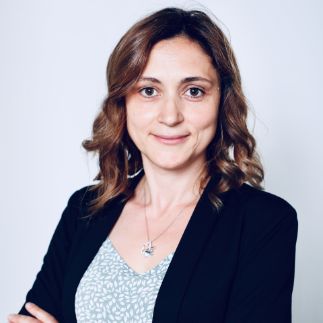
Federica Tomao is an Associate Professor at the Department of Maternal, Child and Urological Sciences within Sapienza University of Rome. She actively teaches and supervises courses in Medicine and Surgery , Nursing , and Midwifery programs across multiple institutions. Current faculty member with academic rank Teaching roles in 6th, 3rd, and 2nd year courses Specialized in gynecologic oncology Research Focus : Her work spans ovarian cancer, breast cancer, and endometrial cancer, emphasizing chemotherapy optimization, precision medicine, and radiomics. Notably, she contributes to understanding PARP inhibitors, immune checkpoint therapies, and fertility preservation techniques in cancer survivors. Recent Publications highlight advancements in sarcopenia analysis, BRCA testing, and radiogenomic nomograms. These studies demonstrate her commitment to bridging imaging and molecular data for improved cancer management. Email : federica.tomao@uniroma1.it
Giulia Giordano is a Full Professor in the Department of Industrial Engineering at the University of Trento, Italy, where she leads the Dynamical Networks and Systems Biology research group. She also holds a dual appointment as Visiting Professor and Delft Technology Fellow at the Delft Center for Systems and Control, Delft University of Technology, The Netherlands. Her career includes previous positions as Assistant Professor at Delft University of Technology (2017-2019), Postdoctoral Research Fellow at Lund University, Sweden (2016-2017), and Research Fellow at the University of Udine, Italy (2016). Giulia earned her Ph.D. in Industrial and Information Engineering: Automation (Excellent) from the University of Udine with a thesis titled "Structural Analysis and Control of Dynamical Networks." She completed her M.Sc. and B.Sc. in Electrical Engineering (both Summa cum laude) at the same institution. She also undertook research visits at Caltech (2012) as a SURF Fellow and at the University of Stuttgart (2015) as a DAAD Research Scholar. Her primary research focuses on the analysis and control of dynamical networks with applications in systems biology, mathematical ecology, and mathematical epidemiology. She develops mathematical frameworks that bridge control theory, network theory, and dynamical systems to address complex problems in biological systems. Her recent work spans epidemic modeling, opinion dynamics, biochemical networks, and neurological disorders, with a particular emphasis on structural analysis of networked systems. She employs both theoretical and computational approaches to understand system behavior under uncertainty. Giulia's publications reveal a strong interdisciplinary focus, spanning from theoretical control systems to practical applications in epidemiology and biology. Her recent work shows increasing emphasis on epidemic modeling (particularly related to mpox and SARS-CoV-2), network synchronization, and the application of control theory to biological phenomena like fibromyalgia pathogenesis and opinion formation. Many of her papers appear in top-tier control journals including Automatica and IEEE Transactions on Automatic Control. 2024: Outstanding Service as Associate Editor of IEEE Control Systems Letters 2021: SIAM Activity Group on Control and Systems Theory Prize 2020: Outstanding Reviewer, Annals of Internal Medicine 2017: NAHS Best Paper Prize and EECI PhD Award 2016: Outstanding TAC Reviewer, IEEE Transactions on Automatic Control Giulia actively mentors students and postdoctoral researchers, currently supervising five postdoctoral researchers and two Ph.D. students at the University of Trento. She has advised numerous M.Sc. and B.Sc. students on topics ranging from bio-inspired modeling to optimal control of epidemic systems. Her research is supported by competitive grants including the ERC Starting Grant INSPIRE (Integrated Structural and Probabilistic Approaches for Biological and Epidemiological Systems). She serves as Associate Editor for IEEE Control Systems Letters and Automatica, and is a Senior Member of IEEE and the Control Systems Society. Giulia leads the Dynamical Networks and Systems Biology research group at the University of Trento, which maintains strong international collaborations across Europe and North America. The group's work combines theoretical advances in control theory with practical applications to pressing problems in public health and biological systems, demonstrating the power of mathematical approaches to understanding complex phenomena in the life sciences.
Matteo Bolner is a Post-Doctoral Research Fellow at the University of Bologna's Department of Agricultural and Food Sciences, specializing in livestock genomics and metabolomics. He holds a PhD in Agricultural and Food Sciences (defended March 2025) and an International Master in Bioinformatics from the University of Bologna. His research integrates genomic and metabolomic data to improve livestock sustainability, particularly in pig production systems. Key focuses include identifying metabolic pathways influencing production traits, analyzing pig viromes for disease outbreaks, and leveraging big data for One Health applications. His educational background includes a Biological Sciences degree (2018) and a bioinformatics master's (2021). He interned at CINECA's SCAI department, focusing on HPC software containerization. Current affiliations include membership in the Animal and Food Genomics group, where he explores genomic solutions for breed conservation and sustainable production. Research trends in his articles emphasize multi-omics integration to understand pig metabolism, stress responses, and breed-specific adaptations. He also applies genomics to authenticate food products and enhance conservation strategies for endangered livestock breeds like the Mora Romagnola pig. His work bridges animal science, computational biology, and agricultural sustainability. Notable contributions include developing genomic tools for honey bee population analysis and creating a catalog of mitochondrial insertions in pig genomes. Future directions involve advancing metabolomics-based precision livestock farming and applying big data analytics to livestock One Health challenges.
Alfio Grillo is a Full Professor at the Department of Mathematical Sciences (DISMA) of Politecnico di Torino, with research interests in biomechanics, continuum mechanics, and mathematical physics. His expertise spans classical mechanics and multiscale modeling of biological tissues. Research Focus: Grillo's work integrates analytical mechanics with nonholonomic constraints, fractional calculus applications, and multiscale modeling of growth/remodeling phenomena in biological systems. Recent articles emphasize poroelasticity, viscoelastic composites, and bi-phasic material behavior. Scientific Contributions: Editorial roles in leading journals since 2014 Member of INdAM-GNFM since 2009 Recipient of National Scientific Qualification in 2017 €128,609 PRIN grant for multiscale biological modeling Academic Leadership: Supervises PhD students in Civil Engineering, Mathematics, and Mathematical Engineering. Teaches advanced courses in Differential Varieties, Variational Methods, and Porous Media Mechanics.
Marco Farina is a Full Professor in Electromagnetics at the Department of Information Engineering, College of Engineering, Polytechnic University of Marche, Italy. His research spans electromagnetic modeling, scanning microwave microscopy, and nanotechnology, with applications in 2D materials, biosensors, and advanced measurement systems. He is a Senior Member of IEEE and actively contributes to Technical Committees on RF Nanotechnology. Laurea and Ph.D. in Electronic Engineering from University of Ancona Research interests focus on quantitative scanning microwave microscopy, electromagnetic analysis of active/passive components, and nanoscale characterization techniques. His work bridges theoretical modeling with practical implementation, including the development of the EM3DS software suite and novel inverted SMM systems. Recent publications highlight interdisciplinary applications in biomedical analysis and semiconductor physics. Scientific recognition includes the 3M-Nano Best Conference Paper Award and grants from US Army Research Laboratory and US Air Force Office of Scientific Research. He holds an ESA-funded patent for VNA calibration and has co-authored a book on planar structure analysis. Collaborative projects emphasize RF device optimization and biological imaging.
Professor Ellie (Eleanor) Barnes is a leading academic in hepatology and experimental medicine at the University of Oxford, affiliated with the Nuffield Department of Medicine, the Translational Gastroenterology Unit, the Ludwig Institute for Cancer Research, the Jenner Institute, and the Oxford NIHR Biomedical Research Centre. She leads a multidisciplinary research group focused on applied immunology in liver disease, including cancer and viral hepatitis. Her research spans vaccine development for hepatitis C and B, early detection of hepatocellular carcinoma (HCC), pathogenesis of IgG4-related disease, and stratified medicine approaches in chronic liver conditions. She leads major national and international consortia such as STOP-HCV and DeLIVER, integrating viral sequencing, host genetics, immune profiling, and biomarker discovery. The recent publications highlight a strong focus on HCV persistence post-treatment, metabolic liver disease in HBV, and innovative clinical trials for HCV elimination. Her work emphasizes translational impact, combining cutting-edge genomics, immunology, and clinical experimental medicine. Fellow of the Academy of Medical Sciences (FMedSci) Fellow of the Royal College of Physicians (FRCP) Prof. Barnes oversees a portfolio of clinical studies as NIHR CLRN lead for hepatology in the Thames Valley and collaborates with industry partners like Vaccitech. Her team also develops non-invasive liver imaging and novel blood-based DNA detection methods (e.g., TAPS) for early cancer diagnosis. She mentors a research group and contributes to science communication and gender equity in STEM.
Bianca Papotti is a fixed-term Researcher at the Department of Food and Pharmaceutical Sciences, University of Parma. Her academic career spans interdisciplinary research in Pharmacology Cholesterol Metabolism Neurodegenerative Diseases Cardiovascular Pathology Immunometabolism . She teaches courses including Experimental Pharmacology and Food Toxicology. Her research focuses on the role of PCSK9 and cholesterol efflux in Alzheimer's Disease Atherosclerosis Rheumatoid Arthritis Lipoprotein Biology Inflammatory Disease Drug Development . Key trends in her publications (3 in 2025, 12 in 2024) reveal strong emphasis on PCSK9 inhibition mechanisms, cholesterol-immune crosstalk in rheumatoid arthritis, and fasting interventions in lipid-related pathologies. Her work has explored PCSK9's neuroinflammatory effects ABCA1/ABCG1 transporter dynamics Macrophage cholesterol loading Natural compound screening HDL dysfunction in diabetes Covid-19 lipid interactions .
Orlando Stefano is an Assistant Professor at the Department of Hygiene and Public Health, University of Rome Tor Vergata. He specializes in global health, HIV/AIDS research, and epidemiology, with a focus on sub-Saharan Africa. His work includes studies on vaccine strategies, healthcare system transformation, and the impact of pandemics on healthcare delivery. He currently teaches courses on global health prevention and the evolving challenges in health systems. Research interests encompass maternal and child health, particularly in HIV-exposed infants, as well as aging populations and frailty assessment. He has contributed to initiatives like the DREAM program, addressing comorbidities in HIV patients and evaluating virological outcomes in Mozambique. His studies on gender dynamics in healthcare decision-making and the effects of public health measures on infection rates highlight his interdisciplinary approach. Key themes in his publications include vaccine efficacy in resource-limited settings, tuberculosis diagnosis during the pandemic, and the role of community-based care systems. His work frequently integrates clinical data with public health policy analysis, emphasizing actionable solutions for global health challenges. Stefano has advised on interventions to improve male partner involvement in maternal health programs in Malawi and has explored the economic impacts of healthcare resource allocation in sub-Saharan Africa. His research also addresses the socioeconomic implications of HIV treatment programs and the management of noncommunicable diseases in aging populations.
Nicola Clementi serves as an Associate Professor of Medical Microbiology and Virology at Vita-Salute San Raffaele University in Milan, Italy, with active clinical and research affiliation at San Raffaele Scientific Institute (IRCCS). His academic credentials include Board Certification in Medical Microbiology and Virology (2010) from Vita-Salute San Raffaele University and a Master's degree in Biological Sciences (2006) from Università Politecnica delle Marche, Ancona. His educational background features: Master of Biological Sciences, Università Politecnica delle Marche, Ancona, Italy (2006) Board Certification in Medical Microbiology and Virology, Vita-Salute San Raffaele University, Milan, Italy (2010) Clementi's research centers on clinical virology and medical microbiology with emphasis on bacterial and viral pathogen dynamics. His work spans sexually transmitted infections (LGV, gonorrhea), emerging viral outbreaks (mpox, SARS-CoV-2), neonatal viral hepatitis , and microbiome-immune interactions in immunotherapy. He employs epidemiological surveillance, mutational profiling, and clinical cohort analysis to address antimicrobial resistance trends and therapeutic efficacy challenges within Italian healthcare settings. His 2024 publications reveal a focus on urgent public health threats through high-impact clinical studies. Key trends include optimizing antibiotic regimens for STIs, investigating immunological mechanisms in viral hepatitis, analyzing SARS-CoV-2 mutational responses to ribavirin therapy, and exploring microbiome modulation to reduce immunotherapy toxicity. The work heavily leverages Italian patient cohorts (Lombardy region) and demonstrates interdisciplinary approaches bridging virology, bacteriology, and immunology. No scientific awards are documented in the provided source material. While formal student lists and grant details are absent from the scraped data, his editorial roles and publication volume suggest active academic mentoring. Clementi serves as Review Editor for Virology at Frontiers in Microbiology and Guest Associate Editor for Experimental Pharmacology at Frontiers in Pharmacology, indicating leadership in scholarly peer review despite no explicit grant mentions. He operates within San Raffaele Scientific Institute (IRCCS) research ecosystem, evidenced by co-authorship with clinicians and microbiologists from this tertiary hospital. His network includes collaborators like Gabriel Siracusano (IRCCS) and Mauro Pistello (University of Pisa), with 46 active professional connections reflecting engagement in Italy's infectious disease community.
Maria Rosaria Capobianchi is a distinguished professor of Molecular Biology at Saint Camillus International University of Health and Medical Sciences (Unicamillus) in Rome, where she contributes to the Master’s Degree in Medicine and Surgery. She has held key leadership roles at the National Institute for Infectious Diseases "L. Spallanzani," including Director of the Virology Laboratory and Director of the Department of Epidemiology, Preclinical Research, and Advanced Diagnostics. She is actively involved in the WHO Collaborating Center for Highly Infectious Diseases and collaborates with WHO, ECDC, and the Italian Ministry of Health. Her research focuses on virology, molecular biology, emerging infections, antiviral defense mechanisms, and innovative diagnostic methods . She has led and participated in numerous national and international research projects funded by European, US, and regional bodies. Her work spans pathogenesis, viral evolution, host immune responses, and public health preparedness. The analysis of her recent publications reveals a strong emphasis on SARS-CoV-2, including viral variants, vaccine effectiveness, immune response dynamics, genomic surveillance, and diagnostic innovation. Her work integrates molecular virology with clinical and epidemiological insights, contributing significantly to pandemic response and preparedness. Her scientific honors include: Knight of Merit of the Republic Inclusion in the "Top Italian Scientists" list by Via-Academy She has mentored numerous researchers and students through her leadership in research projects and academic roles, though specific advisees are not listed. She has been a consultant to the National Transplant Center on viral infections in transplantation and has contributed to public health policy and training initiatives. Her work continues to influence clinical virology, infectious disease management, and global health security. She is affiliated with: Laboratory of Virology, INMI "L. Spallanzani" Department of Epidemiology, Preclinical Research and Advanced Diagnostics, INMI WHO Collaborating Center for Clinical Care, Diagnosis, Response, and Training on Highly Infectious Diseases
Paola Paci is an Associate Professor at the Department of Computer, Control, and Management Engineering "Antonio Ruberti" of Sapienza University of Rome and an Affiliate Professor at the Department of Laboratory Medicine, Cardio-Metabolic Unit of Karolinska Institutet, Sweden. She has held visiting positions at Harvard Medical School and research roles at CNR's Institute for Systems Analysis and Computer Science. Her work bridges computational biology and network medicine. 2010: Second Level Master in Bioinformatics (Sapienza University of Rome) 2003: PhD in Physics (University of Pavia) 1999: MSc in Physics (Sapienza University of Rome) Paci develops algorithms for biomarker discovery and drug repurposing in network medicine. Her tools include SWIM for glioblastoma biomarkers, SPINNAKER for ceRNA interactions, SAveRUNNER for drug repurposing, and MIENTURNET for miRNA-target analysis. Recent work focuses on single-cell multi-omics, adverse drug effects, and pathogen spillover mechanisms. Her research spans 2025-2024 publications covering Alzheimer’s disease drug prioritization, COPD pathway analysis, obesity therapeutics avoiding hepatic steatosis, and neuroblastoma immunotherapy resistance. These works integrate network medicine with pharmacology, genomics, and systems biology. 2018: BITS Best Poster Award 2017: IEEE TCCLS Best Poster (700 USD) 2016: IEEE TCCLS Best Poster (500 USD) 2014: SYSBIO Award (10,000 EUR) 2010: Master Award (1,500 EUR) She teaches bioinformatics at Sapienza University and Campus Biomedico University, organized key IEEE workshops, directs training courses, and serves on editorial boards (Scientific Reports, Biotechnology Reports). Her affiliations include the Network Medicine Institute and GNB bioengineering society.
Francesco Iorio is a Research Group Leader in Computational Biology at Human Technopole (Milan, Italy), leading research in computational cancer pharmacogenomics and therapeutic target discovery. He holds a PhD from the University of Salerno and TIGEM (Naples), focusing on computational methods for drug discovery. Previously, he was a Senior Bioinformatician at EBI, leading CRISPR-Cas9 screen analyses across cancer cell lines to identify synthetic lethalities and therapeutic targets. He led the Cancer Dependency Map Analytics team at Wellcome Sanger Institute, developing algorithms for integrating large-scale cancer datasets. Since 2019, he serves as a Scientific Advisor to the Cancer Research Horizon–AstraZeneca Functional Genomics Centre. His research integrates computational methods with experimental data to uncover cancer dependencies, drug mechanisms, and biomarkers. Key contributions include tools like CRISPRcleanR for bias correction in CRISPR screens, and CELLector for selecting cancer cell line models. His work spans pharmacogenomics, functional genomics, and CRISPR technologies, with a focus on translating findings into clinical applications. Publications highlight advancements in CRISPR screen analysis, cancer dependency mapping, and drug repositioning. Current projects aim to advance precision medicine through computational frameworks for understanding tumor heterogeneity and therapeutic vulnerabilities.
Prof. Abele Donati is a full professor at the Polytechnic University of Marche (UNIVPM) within the School of Medicine and Surgery , specifically in the Department of Biomedical Sciences and Public Health . His clinical practice is based at Ospedali Riuniti Umberto I - Clinica di Anestesia e Rianimazione Generale Respiratoria e del Trauma Maggiore in Ancona, Italy. Research Focus: Critical care medicine, sepsis, microcirculation, anesthesia, and respiratory failure Key Contributions: Expertise in hemodynamic monitoring, antibiotic resistance, ECMO, and perioperative medicine Publications Trends: Recent work emphasizes antimicrobial therapy for multidrug-resistant pathogens, microcirculatory dysfunction in sepsis, critical care pharmacogenetics, and advanced monitoring techniques during surgeries. His studies frequently involve multicenter collaborations and clinical trials. Contact: Email available at a.donati@univpm.it
Gabriele Andrea Lugli is a Fixed-term researcher at the University of Parma's Department of Chemical, Life and Environmental Sustainability Sciences, teaching Genomics of Microbial Ecosystems, Microbiology Applied to Materials Science, and Applied Microbiology and Probiogenomics for Biotechnology and Materials Science undergraduate and graduate programs. His research centers on microbial genomics with emphasis on human gut microbiome dynamics and food microbiology. Key interests include bifidobacteria-host molecular interactions, bacteriophage ecology in dairy fermentation, probiotic mechanisms, and microbial contributions to environmental sustainability. He employs metagenomic, genomic, and machine learning approaches to investigate microbial biodiversity in cheese production and gut health contexts. Analysis of his recent publications reveals a cohesive focus on genomic characterization of microbial communities across food and human ecosystems. His work consistently explores bifidobacterial adaptation, vitamin biosynthesis pathways, and phage-host dynamics, demonstrating translational applications in probiotics, nutrition, and food safety. The integration of computational methods with experimental microbiology defines his methodological signature.
Kuka Mirela is an Associate Professor of Pathology at Vita-Salute San Raffaele University and a tenure-track Project Leader in the Division of Immunology, Transplantation and Infectious Diseases (DITID) at the San Raffaele Scientific Institute in Milan. She holds a PhD from the University of Siena/Novartis Vaccines and completed postdoctoral training at the NIH (USA) and San Raffaele Scientific Institute. Her research focuses on immune responses to viral infections, B/T cell interactions, and tumor immunology. Research interests include: (1) Regulation of B cell responses by T cells and innate immune cells during viral infections, (2) Role of inflammatory monocytes in suppressing humoral immunity, (3) B cell-mediated anti-tumor immunity and tumor-associated lymphoid structures. She has pioneered studies on how viral infections modulate T follicular helper cells and discovered novel mechanisms of B cell suppression via inflammatory monocytes. Recent publications (2023-2025) investigate T cell therapy efficacy improvement via LSD1 inhibition, antibody-independent SARS-CoV-2 protection, and novel TDC cell biology models. Awards include AAI Early Career Grant (2022) and PRIN2020 coordination (2021). Teaching roles include courses in pathology and immunology for medicine and biomedical programs. Active in professional organizations: Vice-coordinator of the PhD Program in Molecular Medicine, member of AAI, SIICA, and NIBIT. Serves on editorial boards for Frontiers in Immunology and Faculty Opinions .