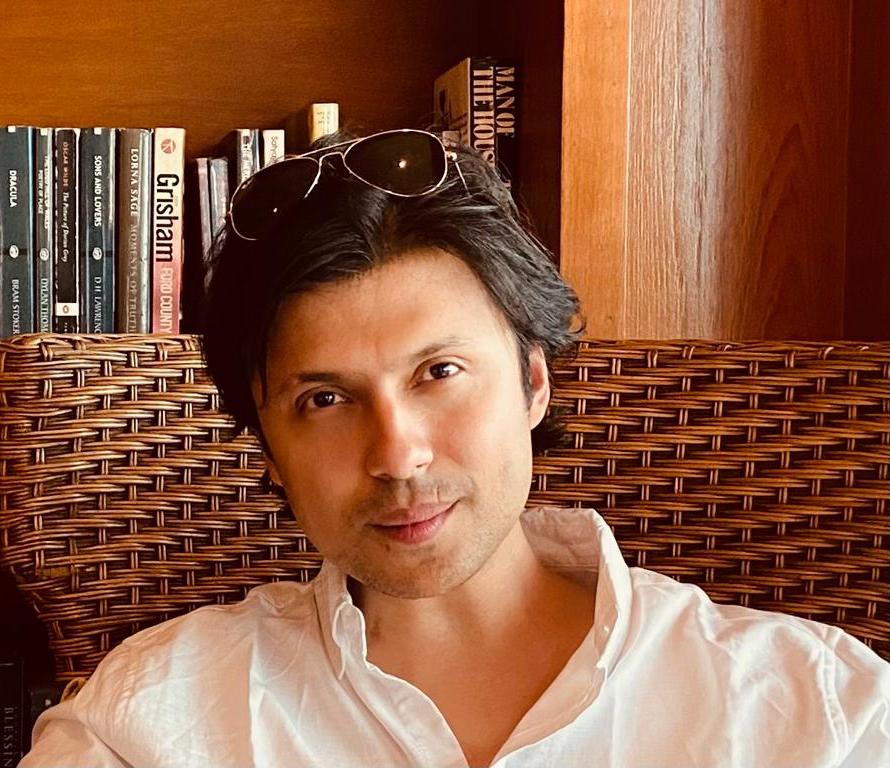
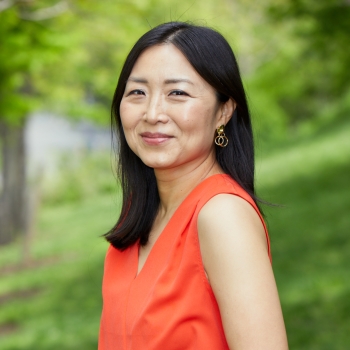
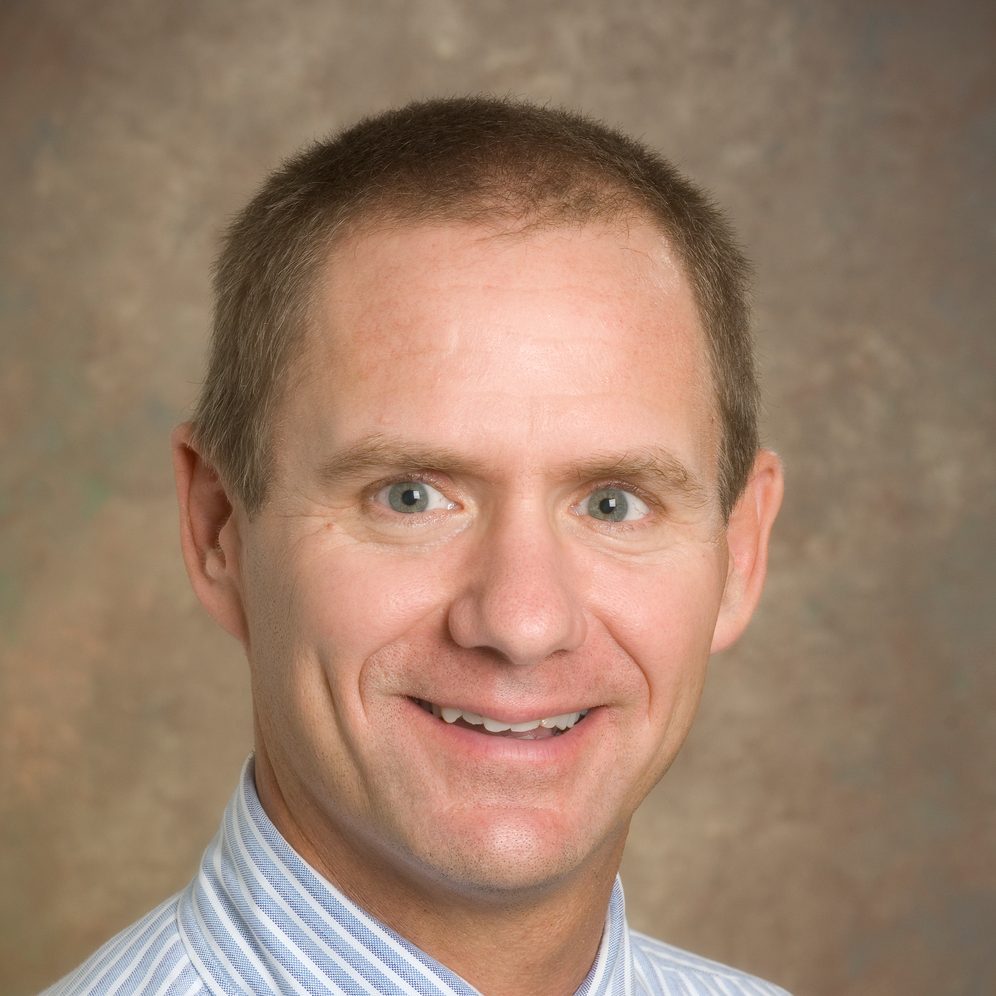
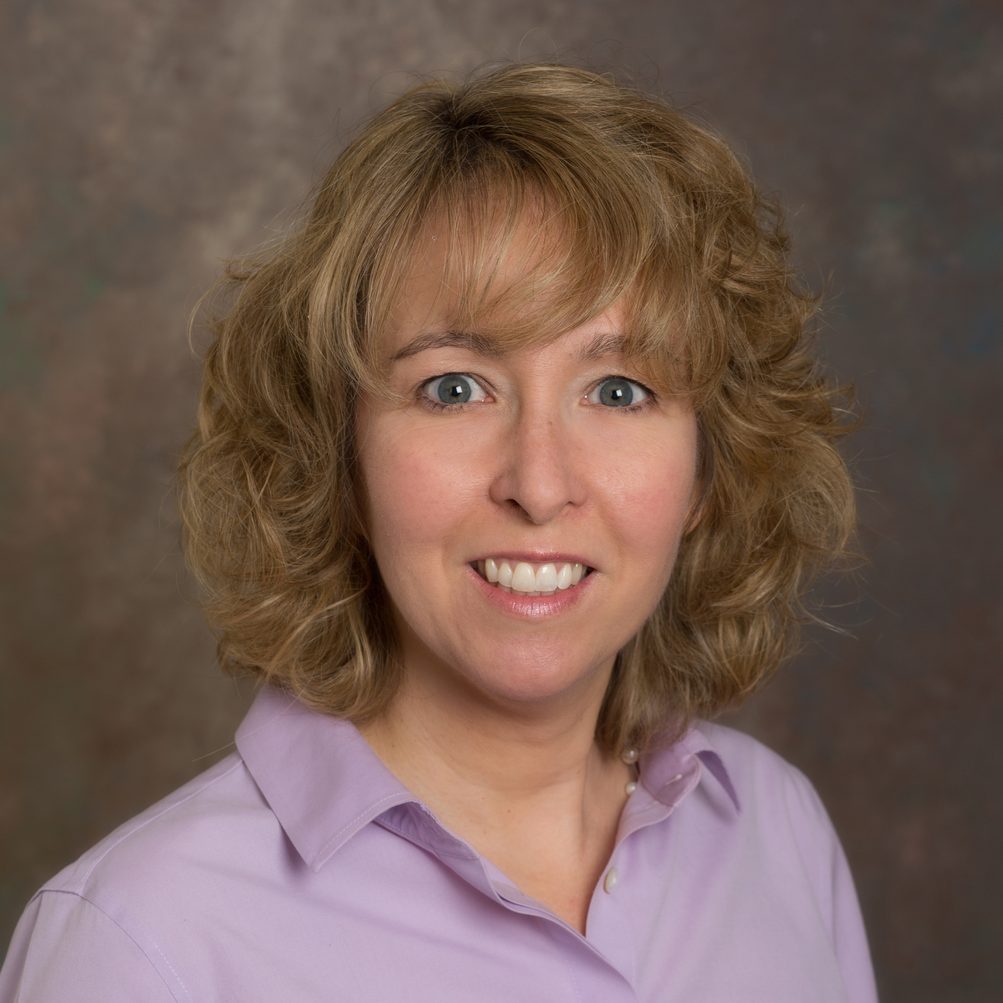
Shirshendu Ganguly is an Associate Professor in the Department of Statistics at the University of California, Berkeley. His research focuses on probability theory, statistical physics, and their applications, including percolation models, phase transitions, Markov chains, and random graphs. He holds a PhD in Mathematics from the University of Washington and has held postdoctoral positions at UC Berkeley. Ganguly has been recognized with the 2019 Sloan Research Fellowship. Education: PhD in Mathematics, University of Washington, 2011–2016 Miller Postdoctoral Fellow, UC Berkeley, 2016–2018 Research Interests: Probability Theory, Statistical Mechanics, Markov Chains, Random Graphs, Percolation Theory, Sparse Combinatorial Structures His work explores geometric and probabilistic phenomena in disordered systems, including polymer models, self-organized criticality, and random matrix theory. He has advised multiple PhD students and contributes to teaching advanced probability courses at Berkeley. Awards: 2019 Sloan Research Fellowship
Rey Ramirez, MD is an Assistant Professor of Orthopaedics & Rehabilitation at Yale School of Medicine, specializing in Hand & Upper Extremity Surgery with a focus on pediatric hand conditions. He joined Yale in 2022 after completing his pediatric hand surgery fellowship at Shriners Hospital of Philadelphia. Dr. Ramirez is affiliated with the Hand & Upper Extremity Surgery division and Pediatric Orthopaedics within the Department of Orthopaedics & Rehabilitation. Dr. Ramirez's educational background includes: BS in Biology from California Institute of Technology (2003) MD from David Geffen School of Medicine at UCLA (2007) Internship at Keck School of Medicine - Los Angeles County Medical Center (2008) Residency at Keck School of Medicine - Los Angeles County Medical Center (2012) Hand Surgery Fellowship at University of Texas Southwestern (2013) Pediatric Hand Surgery Fellowship at Shriners Hospital of Philadelphia (2014) Dr. Ramirez's primary research interests focus on pediatric hand surgery, including congenital hand conditions, brachial plexus birth injuries, and arthrogryposis. His clinical expertise spans pediatric hand reconstruction, microsurgery, and treatment of conditions such as amniotic band syndrome, carpal tunnel syndrome in children, and peripheral nerve injuries. Additionally, he has a strong interest in diversity and inclusion within orthopedic surgery, examining gender and racial disparities in the field and factors influencing specialty choice among medical students and residents. His recent publications demonstrate a dual focus on clinical pediatric hand surgery techniques and diversity in medicine. The surgical publications often address innovative approaches to complex pediatric hand conditions, while his diversity-focused work examines gender disparities in orthopedic surgery and physical medicine, contributing to important conversations about inclusion in medical specialties. His work spans both original research articles and textbook chapters on hand surgery topics. Dr. Ramirez has received several professional recognitions: "Top Research Study" award for his work on women's experiences in orthopedics versus physical medicine (2024) Top Doc for Kids recognition (2020) Best "Surgical Pearl" Paper award from the Pediatric Hand Study Group (2014) Dr. Ramirez is actively involved in mentoring medical students and residents, currently advising Tamanna Patel, Claire Donnelley, Louise Atadja, and Peter Laub. His educational contributions include developing virtual curricula for medical student orthopedic education and examining methods to improve resident performance on standardized examinations. While specific grant funding isn't detailed in the provided information, his research activities suggest involvement in both clinical outcomes studies and healthcare disparities research. Within the Yale Orthopaedics & Rehabilitation department, Dr. Ramirez contributes to the Hand & Upper Extremity Surgery and Pediatric Orthopaedics divisions. His work intersects with the department's broader research initiatives including the Liu Lab for Translational Orthopaedic Research and the 3D Collaborative for Medical Innovation (3DC), though specific lab leadership isn't mentioned in the provided information.
Dr Nicola Fearn is a Lecturer in the Discipline of Occupational Therapy at the Sydney School of Health Sciences, Faculty of Medicine and Health, The University of Sydney. Since joining in 2024, she has integrated 19 years of clinical experience in Australian and UK acute hospital, rehabilitation, and community settings with her research on cancer rehabilitation and lymphedema management. She maintains active clinical practice as an accredited lymphoedema therapist. Her educational background includes: Occupational Therapy qualification (2005) PhD in breast lymphoedema assessment, incidence, and risk factors following breast cancer treatment (2022) Dr Fearn's research program addresses critical gaps in cancer survivorship through four interconnected pillars: cancer rehabilitation focusing on long-term quality of life; lymphoedema management (particularly breast-related); neurological upper limb rehabilitation for stroke and brain injury; and implementation science to translate evidence into clinical practice. Her work consistently emphasizes patient-centered approaches and interdisciplinary collaboration. Analysis of her 11 publications since 2022 reveals dominant themes in constraint-induced movement therapy for stroke rehabilitation (60% of output) and breast lymphoedema quantification/management (30%), with strong methodological diversity spanning systematic reviews, qualitative studies, feasibility trials, and telehealth adaptations. Key trends include integration of behavior change frameworks (Theoretical Domains Framework, COM-B model) and growing emphasis on health equity for diverse populations. Dr Fearn actively supervises HDR students interested in cancer survivorship and evidence implementation, and has secured the 2024 FMH Start-up Scheme grant. Current projects include SURPASS (patient-centered survivorship care), DIVERSE (supportive care for diverse backgrounds), ReCITE (remote constraint-induced therapy), and telehealth validation studies for rehabilitation assessments. As a member of the Australasian Lymphology Association, she collaborates with St Vincent's Health Network teams across oncology, neurology, and rehabilitation services to develop clinically relevant interventions that address both physical and psychosocial aspects of survivorship and neurological recovery.
Dr. Grace Kim is an Associate Professor in the Department of Occupational Therapy at New York University's Steinhardt School of Culture, Education, and Human Development. She holds a PhD in Occupational Therapy from NYU (2016), an MA in Occupational Therapy from Columbia University, and a BA in Psychology from UC Davis. She is a clinician-researcher affiliated with the Rehabilitation Medicine department at New York Presbyterian/Weill Cornell Medical Center, specializing in upper extremity robotics, outcome measurement, and stroke rehabilitation. Education: Bachelor's in Psychology: University of California, Davis Master's in Occupational Therapy: Columbia University PhD in Occupational Therapy: New York University (2016) Research Focus: Intersection of technology and neurorehabilitation Client-centered care for stroke survivors Wearable/mobile technology applications Shared decision-making approaches Awards/Grants: Mitchell Leaska Dissertation Grant (2014) Steinhardt Faculty Challenge Grant (2017) NYU Provost Mega-Seed Grant (2018) American Occupational Therapy Foundation Grant (2021) Dr. Kim teaches courses in Evidence-Based Practice, Neurorehabilitation, and Ethics at NYU Steinhardt. She mentors students in Occupational Therapy, Rehabilitation Science, and the R25 Research Education in Cardiovascular Conditions program at NYU's Rory Meyers School of Nursing. Her work emphasizes affordable technology solutions to improve real-world outcomes for stroke patients, including remote self-training programs and home-based interventions.
Professor Banu Bayar is a distinguished faculty member at Muğla Sıtkı Koçman University's Faculty of Health Sciences, Department of Physiotherapy and Rehabilitation with specialization in Musculoskeletal Rehabilitation. With over two decades of academic and clinical experience, she has established herself as a leading researcher in physical therapy and rehabilitation sciences. Education: Bachelor's Degree: Hacettepe University - School of Physical Therapy and Rehabilitation (1990-1994) Master's Degree: Hacettepe University - Institute of Health Sciences - Physical Therapy and Rehabilitation (MSc) (1996-1998) Doctorate: Hacettepe University - Institute of Health Sciences - Physical Therapy and Rehabilitation (1998-2002) Professor Bayar's research spans multiple critical areas in rehabilitation science, with particular emphasis on stroke rehabilitation, musculoskeletal disorders, pain management, and geriatric rehabilitation. Her work integrates clinical practice with scientific research to develop evidence-based rehabilitation protocols. She has extensively studied proprioception, balance disorders, and functional recovery in neurological conditions, contributing significantly to the understanding of how physical interventions can improve patient outcomes. Her publication record demonstrates consistent scholarly output with a notable increase in high-impact research in recent years. The trend shows a strategic focus on developing assessment tools, validating measurement instruments, and investigating innovative rehabilitation techniques. Her work bridges clinical practice and scientific validation, with particular attention to culturally adapted assessment tools for the Turkish population. Recent publications reveal growing interest in technology-assisted rehabilitation, cognitive-motor interactions, and the psychological aspects of chronic conditions. Professor Bayar has served as an editor for multiple journals including the Journal of Karya Health Science (2020-2022) and has contributed to numerous book chapters on physiotherapy and rehabilitation. Her collaborative research approach is evident in her extensive co-authorship network, working with colleagues across various institutions to advance rehabilitation science. While specific grant information isn't detailed in the available records, her sustained publication output suggests successful research funding throughout her career.
Thomas W. Kaminski is a Professor in the Department of Kinesiology & Applied Physiology at the University of Delaware’s College of Health Sciences. His research focuses on sensorimotor and neurocognitive aspects of musculoskeletal injuries, particularly chronic ankle instability, sport-related concussions, and repetitive head impacts in soccer. He directs the Athletic Training Research Laboratory, established in 2003, which collaborates with departments across UD, including Athletics, Physical Therapy, and Engineering. Education: PhD in Sports Medicine (University of Virginia, 1996), MS in Athletic Training (University of Arizona, 1985), BS in Sports Medicine (Marietta College, 1984). Courses taught include Evidence-Based Sports Medicine, Upper/Lower Extremity Evaluation, and Clinical Practicum. Research emphasizes injury prevention, biomechanical analysis, and rehabilitation strategies. His lab uses advanced tools like the KinCom Isokinetic Dynamometer, Bortec EMG systems, and Triax Impact Monitors. Current projects include studying neck strengthening programs for youth soccer players and blood biomarkers in concussion recovery. Grants and collaborations involve the NCAA-DoD CARE Consortium, focusing on collegiate athletes and military cadets. Lab initiatives aim to translate findings into broader health applications for physically active populations. Lab facilities include the Human Performance Lab and partnerships with UD Physicians, Student Health Services, and regional sports programs. Active research areas include concussion symptom evolution, sex-based injury differences, and the effects of sport specialization on cognitive/postural functions.
David J. Reinkensmeyer is a Professor at the University of California, Irvine (UCI), holding appointments in the Department of Mechanical & Aerospace Engineering (The Henry Samueli School of Engineering), Anatomy & Neurobiology (School of Medicine), and Biomedical Engineering. His research focuses on neurorehabilitation engineering, developing robotic and sensor-based technologies to enhance motor recovery after neurological injuries such as stroke and spinal cord injury. He leads interdisciplinary efforts in robotic therapy, sensor design for movement assessment, and computational models of motor learning. Key areas include: Design of robotic devices for upper/lower extremity rehabilitation Development of wearable sensors to monitor home exercise programs Studying motor adaptation and proprioception in clinical populations Optimizing neurorehabilitation interventions through computational modeling His work integrates biomechanics, machine learning, and clinical neuroscience to create practical solutions for disabling movement disorders. Recent projects explore scalable mRehab systems, data-driven diagnostics, and real-time feedback technologies. Funding sources include NIH grants (e.g., R01 HD062744) and industry collaborations. Over 200 peer-reviewed publications and numerous patents reflect his impact in translating engineering innovations into clinical practice.
Dr. Andrea Bauer is an Associate Professor of Orthopedic Surgery at Harvard Medical School and an Orthopedic Surgeon at Boston Children's Hospital, where she serves as Director of the Brachial Plexus Program and Director of Faculty Development. She also serves as Co-School Physician at Berklee. Dr. Bauer is a specialist in pediatric hand, upper extremity, and peripheral nerve surgery, with a particular focus on brachial plexus birth injury, congenital hand differences, and peripheral nerve injuries. Dr. Bauer completed her undergraduate education at Princeton University (2001), medical school at Columbia University College of Physicians and Surgeons (2005), orthopedic surgery residency at Harvard Combined Orthopedic Residency Program (2010), hand surgery fellowship at Massachusetts General Hospital (2011), and pediatric hand surgery fellowship at Shriners Hospital for Children in Sacramento, CA (2011). Dr. Bauer's research primarily focuses on improving outcomes for children with brachial plexus birth injuries through early diagnosis and intervention. She has extensive expertise in congenital hand differences and peripheral nerve injuries in children. Her work bridges clinical practice and research to advance pediatric orthopedic care, particularly in complex nerve injuries and congenital conditions. She has been instrumental in developing protocols for diagnosing and treating brachial plexus injuries in infants, with an emphasis on improving functional outcomes. Analysis of Dr. Bauer's recent publications reveals a strong focus on brachial plexus birth injuries, congenital hand differences, and pediatric orthopedic conditions. Her work spans diagnostic techniques (particularly MRI), surgical interventions, and outcomes research. She has made significant contributions to understanding the relationship between perinatal factors and injury severity, developing return-to-play protocols for young athletes, and improving diagnostic accuracy for nerve injuries. Her research often involves multi-center collaborations and registry-based studies, reflecting her commitment to evidence-based practice in pediatric orthopedics. Dr. Bauer received the competitive Ruth Jackson Orthopaedic Society Traveling Fellowship in 2014, which she used to visit three centers specializing in brachial plexus birth injury treatment. This fellowship allowed her to bring innovative techniques and approaches back to Boston Children's Hospital, continuing the institution's legacy of advancing care for children with brachial plexus injuries. As Director of the Brachial Plexus Program at Boston Children's Hospital, Dr. Bauer oversees a comprehensive program dedicated to the care of children with brachial plexus injuries. The program includes multidisciplinary teams of surgeons, therapists, and researchers working together to provide optimal care from diagnosis through rehabilitation. Dr. Bauer also serves as Director of Faculty Development, playing a key role in mentoring junior faculty and shaping the educational mission of the department. Her clinical work spans multiple locations including Boston, Lexington, and Waltham, ensuring broad access to specialized pediatric orthopedic care.
Michele Lobo is an Associate Professor in the Department of Physical Therapy at the University of Delaware. Her research focuses on child development, rehabilitation technologies, and early intervention strategies for infants and children with neuromotor disorders. She leads the Move2Learn Innovation Lab and co-founded the GoDesign Group, emphasizing interdisciplinary collaboration in wearable technology and assistive device design. Education: PhD in Biomechanics from the University of Delaware (2006), Postdoctoral research at Vrije Universiteit (2001–2002), MPT in Pediatric Rehabilitation from Drexel University (1997), and BS in Biology from The College of New Jersey (1994). Research Interests: Investigating perceptual-motor experiences in learning, designing interventions to enhance development in infants with delays, and developing assistive devices such as exoskeletons (e.g., Playskin LiftTM). Key projects include the START-Play intervention, which improves motor and cognitive outcomes in infants with cerebral palsy. Awards: Recipient of the prestigious Gayle G. Arnold Award (2022), Chattanooga Research Award (2022), and Toby Long Award (2021). Her work has been supported by grants from the NIH, IES, and the American Physical Therapy Association. Labs/Teams: Co-leader of the Move2Learn Innovation Lab, focusing on wearable tech and functional fashion for pediatric rehabilitation. Affiliated with the Center for Autonomous and Robotic Systems and the Fashion & Apparel Studies Department.
Dr. Lin Jiang serves as Assistant Professor in the Department of Mechanical Engineering at San José State University's Charles W. Davidson College of Engineering, where her research bridges biomechanics and robotics to develop medical assistive technologies and human-robot interaction systems. Her educational background includes a Ph.D. and M.Sc. in Mechanical Engineering from the University of Texas at Dallas (2021, 2019), complemented by an M.Sc. in Control Engineering and B.Sc. in Aerospace Engineering from Nanjing University of Aeronautics & Astronautics (2014, 2011) with a minor in Industrial Business Management. Dr. Jiang's research focuses on translating aerospace control systems expertise into medical applications, particularly in rehabilitation robotics and breastfeeding technology. Her work emphasizes human-centered design for devices like the patented SmartLact8 breast pump, with recent publications demonstrating significant contributions to teleoperated rehabilitation systems and lactation biomechanics. Her 15 most recent publications (2020-2025) reveal consistent specialization in medical robotics, with dominant themes in rehabilitation devices (knee braces, upper extremity therapy), breastfeeding technology innovation, and human-robot interaction frameworks for healthcare and driving safety applications. Scientific recognition includes: New Investigator Award from CSUPERB Small Group Project Award from SJSU College of Engineering Exemplary Teaching award from UT Dallas Diversity Award from Summer Biomechanics Conference Best Paper award at ASME IMECE 2018 Research funding includes NSF support for hospital-based human-robot interaction studies. Dr. Jiang actively contributes to IEEE HKN, BMES, ASME, and ISHRML while mentoring students through her Biomechanics and Robotics Lab at SJSU. The Biomechanics and Robotics Lab serves as the primary research hub for developing medical assistive technologies, with current projects focusing on rehabilitation robotics, breastfeeding simulation systems, and human-robot interaction protocols for clinical environments.
Professor Mark Thompson is an Associate Professor in Engineering Science at the University of Oxford and a Tutor/Fellow at Wadham College. He holds an MEng in Engineering and Materials Science (Oxford, 1997) and a PhD in Biomechanics from the University of London (2001). His research focuses on biomechanical engineering with emphasis on tissue repair, prosthetic design, and trauma modeling. Key projects include the OxVent ventilator and in vitro microvasculature systems for traumatic injury studies. His work bridges clinical and engineering challenges, addressing issues like prosthetic maintenance, musculoskeletal modeling, and biomaterials for regenerative medicine. Thompson collaborates with institutions like the Institute of Biomedical Engineering and has contributed to open-source frameworks for motion capture analysis. Current research trends involve mechanobiology of soft tissues and bioprinting for trauma research. Labs/Teams: Affiliated with the Institute of Biomedical Engineering and Oxford e-Research Centre. His work aligns with translational medicine and emergency medical device development. Future directions include optimizing 3D-printed bio-artificial tissues and advancing tactile feedback systems for prosthetics.
Emma De Keersmaecker is a Research Fellow at the Faculty of Physical Education and Physiotherapy , Vrije Universiteit Brussel , Belgium. Her work focuses on Virtual Reality , Gait , and Rehabilitation for neurological populations including Stroke and Multiple Sclerosis patients. Research keywords: Optic Flow, Patient Rehabilitation, Exercise Equipment, Biomechanics, Immersion Active in peer-reviewed publications and Cochrane systematic reviews Recipient of the FWO SB fellowship for fundamental research Research Trends : Emma's publications emphasize Virtual Reality applications for gait rehabilitation, investigating how Optic Flow , Immersion , and Assistive Technologies improve locomotion in stroke survivors and neurological patients. Her work spans Exoskeletons , Biomechanical Analysis , and Clinical Interventions . Scientific Awards : FWO SB Fellowship (2019)
Dr. Kelly P. Westlake serves as Professor in the Department of Physical Therapy and Rehabilitation Science at the University of Maryland School of Medicine, with secondary appointments in Diagnostic Radiology Nuclear Medicine and Neurology. As Director of the PhD and DPT/PhD program in Physical Rehabilitation Science, she leads advanced training initiatives while maintaining thirty years of clinical and research expertise focused on neurological disorders and age-related mobility decline. Her educational foundation includes a Physical Therapy degree from McGill University, M.Sc. and Ph.D. degrees in Rehabilitation Sciences from Queen's University, followed by postdoctoral training at Stanford University/Palo Alto VA (CIHR Clinical Research fellowship) and University of California, San Francisco (American Heart Association Fellowship). This trajectory established her dual expertise in clinical neurorehabilitation and advanced neuroscience methodology. Dr. Westlake's research program investigates sensorimotor-cognitive mechanisms underlying movement impairments in stroke, Parkinson's disease, and mild cognitive impairment through an integrative approach combining biomechanics (kinematics/kinetics), neuroimaging (fMRI/EEG/MEG), and psychophysiological assessments (HRV/GSC). Her distinctive work explores sleep-based motor learning consolidation via targeted memory reactivation and cognitive-motor interactions in reactive fall recovery, driving development of task-oriented robotic rehabilitation devices for clinical translation. Recent publications reveal strong trends toward home-based and self-managed rehabilitation solutions for stroke recovery, with growing emphasis on cognitive-motor interactions in aging populations and biomechanical analysis of perturbation responses for fall prevention. These studies consistently prioritize patient-centered, evidence-based interventions leveraging technological innovation to enhance accessibility and efficacy. Her scientific recognition includes: CIHR Clinical Research fellowship American Heart Association Fellowship Dr. Westlake currently leads $10+ million in grant funding including a 2025-2026 Maryland Industrial Partnerships Grant for FES treatment of shoulder adhesive capsulitis and multiple NIH awards (NIDILRR, NIA, NINDS) focused on stroke rehabilitation, fall prevention in older adults, and neuromotor training. She mentors PhD candidates and postdoctoral fellows through the Physical Rehabilitation Science PhD Program and UMANRRT fellowship, while developing clinical practice guidelines as Leader of the Balance and Falls in Neurological Conditions group for the APTA Academy of Neurologic Rehabilitation. The Neuromechanisms of Movement and Learning (NeuMo) Laboratory, directed by Dr. Westlake, features state-of-the-art capabilities including fMRI/EEG/MEG neuromonitoring, Vicon kinematics, Bertek force platforms, ActiveStep balance perturbation system, custom Balance boardwalk (patent pending), and Kinereach virtual reality systems. The lab maintains active collaborations with the UM Sleep Lab and UM Rehab for clinical-home integration studies, supported by academic-industry partnerships advancing rehabilitation technology development.
Jacqueline Henderson serves as an Associate Professor in the Mechanical Engineering Department within Bradley University's Caterpillar College of Engineering & Technology. Her research focuses on biomechanics with specialization in upper extremity disorders and mathematical modeling applications. Her educational background includes a Ph.D. in Biomedical Engineering from Wayne State University, an M.S. in Mechanical Engineering from the same institution, and a B.S. in Mechanical Engineering from Prairie View A&M University. Joining Bradley in 2010, she has established herself as a key researcher in skeletal biomechanics. Ph.D., Biomedical Engineering, Wayne State University M.S., Mechanical Engineering, Wayne State University B.S., Mechanical Engineering, Prairie View A & M University Dr. Henderson's research centers on upper extremity biomechanics, particularly investigating carpal tunnel syndrome through mathematical modeling of subsynovial connective tissue shearing. Her work extends to cumulative trauma disorders and rehabilitation biomechanics, with significant collaborations between Bradley University and local medical communities. She employs advanced techniques including speckle-tracking ultrasound and finite element modeling to analyze tendon-nerve interactions in the carpal tunnel. Her publication record demonstrates consistent focus on biomechanical analysis of the carpal tunnel and spinal structures, with recent expansion into neurovascular coupling and Alzheimer's disease mechanisms. Key methodologies include ultrasound assessment, finite element modeling, and quantitative tissue property measurement. Professional recognition includes an NIH National Research Service Award fellowship at Mayo Clinic. She serves as a reviewer for the Journal of Applied Biomechanics and Journal of Clinical Biomechanics, and participates in Bradley University's Affirmative Action Committee. Dr. Henderson actively mentors STEM-interested youth and has developed educational initiatives including ME 101: Introduction to Mechanical Engineering and ME 591: Human Centered Design. Her service extends to K-12 engineering outreach programs in the Detroit Public School system.
Dr. Garrick Forman serves as a Senior Lecturer in the Department of Kinesiology within Brock University's Faculty of Applied Health Sciences, where he conducts pioneering research in esports biomechanics and ergonomics. Holding a PhD in Neuromechanics and Ergonomics from Brock, he focuses on optimizing gamer performance while mitigating injury risks through industry partnerships with GM Canada, NotionMedical, and Waterloo Regional Police. His educational background includes: PhD in Neuromechanics and Ergonomics, Brock University Forman's research centers on esports biomechanics, neuromuscular control of the distal upper limb, and fatigue-induced motor performance degradation. His work integrates advanced biomechanical analysis with practical ergonomic solutions, particularly addressing repetitive strain in gaming contexts. Recent studies employ robotics for precise movement quantification and examine sex-specific responses to physical demands, reflecting a multidisciplinary approach to human performance optimization. Analysis of his 15 most recent publications (2025-2020) reveals a dominant focus on upper extremity biomechanics in gaming and occupational settings, with emerging trends in corticospinal excitability assessment and robotic movement analysis. His research consistently bridges laboratory findings with real-world applications through industry collaborations, emphasizing injury prevention and performance enhancement in both esports and traditional athletic domains. Dr. Forman's scholarly contributions have earned significant recognition: ISEK John V. Basmajian Memorial Award NSERC Canada Graduate Scholarship – Doctoral CIHR Banting & Best Scholarship In academic service, he teaches Clinical Biomechanics, Motor Control, Motor Learning, and Balance and Gait courses. While specific grant funding details aren't publicized, his industry partnerships indicate applied research support. His mentorship extends to laboratory instruction though formal graduate student supervision isn't documented. Current research leverages wrist robotics and electromyography to develop evidence-based ergonomic guidelines for gamers and professionals. His laboratory work operates at the intersection of sports science and human-computer interaction, utilizing motion capture and robotic systems to translate biomechanical insights into practical interventions for pain reduction and performance optimization in high-demand motor tasks.