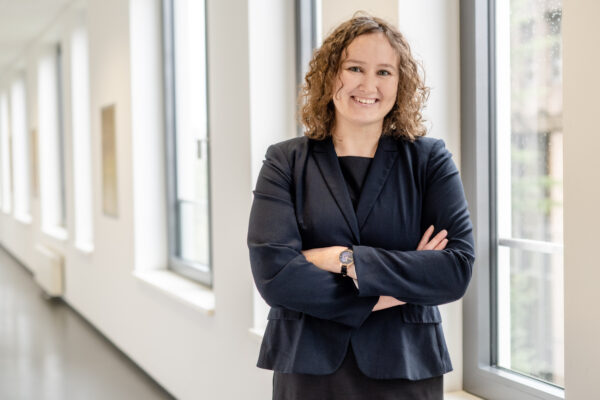
Prof. Dr. Alexandra Carpentier chairs the Mathematical Statistics and Machine Learning group at the University of Potsdam , affiliated with the Institute of Mathematics. She serves as an associate editor for multiple journals, including the Journal of the European Mathematical Society and Annals of Statistics , and will co-edit the Electronic Journal of Statistics (EJS) starting in 2025. Her research focuses on high-dimensional statistical inference, unsupervised learning, and statistical-computational trade-offs, with applications in digital engineering and neuroscience.
Prof. Dr. Helge Rhodin is a faculty member at the University of Bielefeld, serving as Head of the Visual AI for Extended Reality Group within the Faculty of Engineering. His research activities are centered at the Center for Cognitive Interaction Technology (CITEC), a central academic institute at the university focused on interdisciplinary research in cognitive systems, robotics, and human-computer interaction. His office is located in CITEC building room 3-225, with secretariat contact via susanne.strunk@uni-bielefeld.de. Professor Rhodin's research focuses span multiple cutting-edge areas in computer vision and artificial intelligence. His primary interests include Computer Vision, Artificial Intelligence, Extended Reality, Human-Computer Interaction, 3D Reconstruction, and Motion Capture. His work demonstrates strong interdisciplinary connections between the university's 'Socio-Technical World' strategic research area, which examines how humans, robots, and AI interact in complex environments. Analysis of Professor Rhodin's recent publications reveals a consistent focus on advancing techniques for human and object representation in virtual and augmented environments. His work spans from fundamental computer vision techniques like keypoint detection and motion capture to advanced applications in digital twin generation, neural rendering, and animal behavior analysis. Notably, his research shows practical applications in sports science (particularly skiing analysis) and biological motion tracking. Within the university governance structure, Professor Rhodin serves as a member of both the Habilitation Committee and the Faculty Conference of University Professors within the Faculty of Engineering, indicating his active participation in academic leadership and quality assurance processes.
Professor Marc Spehr is a principal investigator at the Department of Chemosensorics, Institute for Biology II, RWTH Aachen University. His research focuses on neurophysiology and reproductive physiology, particularly the molecular and cellular mechanisms underlying chemosensory signal transduction in the vomeronasal and olfactory systems. Using advanced methods such as electrophysiology, life-cell imaging, histology, and confocal microscopy, Spehr's work explores sensory adaptation, ion channel function, and chemical communication. His recent publications highlight studies on vomeronasal pumping, temperature-sensitive ion channels in human sperm, and neural coding of olfactory stimuli. Spehr's research spans interdisciplinary domains including neuroscience, reproductive biology, and biophysics. Key themes in his work include the role of TRPV4 in sperm thermosensitivity, HCN channels in vomeronasal signaling, and the evolutionary conservation of transmembrane proteins like TMEM16.
Prof. Dr.-Ing. habil. Dr. hc Sahin Albayrak is a distinguished academic and entrepreneur at the Technical University of Berlin , where he founded and directs the Distributed Artificial Intelligence Laboratory (DAI Laboratory) . He leads the Agent Technologies in Business Applications and Telecommunications research group and serves as founding member of Deutsche Telekom Laboratories (2004) and European Center for ICT (EICT) (2005). As initiator of Connected Living e.V. (2009) and managing director of German-Turkish Advanced Research Center for ICT (2012), he bridges international collaborations. He also founded IOLITE GmbH (2014) and other startups. Research Focus: Agent technology, autonomous driving, smart cities, cyber security, machine learning, and AI applications in energy systems Awards: Federal Cross of Merit (2014), multiple Best Paper Awards Leadership: Director of DAI Laboratory, head of research group at TU Berlin His 20+ recent publications (2022-2025) demonstrate expertise in agent-based architectures , smart mobility solutions , context-aware computing , and AI-driven security systems . Notable trends include integrating large language models into database interfaces, optimizing multi-agent coordination for logistics, and advancing explainable AI through feature attribution frameworks. Scientific Contributions: Recipient of Germany's Bundesverdienstkreuz for German-Turkish cooperation Best Paper Award at Smart Grid Architectures conference
Vinicius Woloszyn is currently a Project Leader and Post-Doc Researcher at the Quality and Usability Lab within Deutsche Telekom Laboratories at Technical University of Berlin. His work focuses on natural language processing applications for social good, particularly in combating disinformation and addressing climate change through technological solutions. Dr. Woloszyn received his Ph.D. from the Federal University of Rio Grande do Sul (Brazil) with research on Unsupervised Machine Learning Methods for Natural Language Processing. His academic journey includes: Visiting Scholar at Grenoble Informatics Laboratory (France) in 2014 Research at Austrian Research Institute for Artificial Intelligence (Austria) in 2016 Visiting Scholar at Universitat Pompeu Fabra (Spain) in 2017 Researcher at Leibniz Universität Hannover (Germany) in 2018 Dr. Woloszyn's research spans multiple interdisciplinary areas at the intersection of artificial intelligence and societal challenges. His primary interests include Natural Language Processing with specific focus on Text Summarization, Question Answering, and Named Entity Recognition. He has made significant contributions to Open Science initiatives, particularly regarding Open Data and the Usability of Research Data. A substantial portion of his recent work addresses Disinformation through Fake News Detection and Knowledge Base Creation. More recently, he has expanded his research to apply AI techniques to Climate Change issues and Learning Analytics. His publication record demonstrates a clear trajectory toward developing AI solutions for societal challenges. The most recent works focus on regulatory implications of AI content moderation, automatic detection of green claims to combat greenwashing, and systems for improving fact-checking processes. These publications reveal a researcher deeply engaged with real-world applications of NLP technology to address misinformation and environmental sustainability. Dr. Woloszyn actively contributes to the academic community through service on scientific committees including the Annual Meeting of the Association for Computational Linguistics (ACL 2020), International Conference on Language Resources and Evaluation (LREC 2020), and The SIGNLL Conference on Computational Natural Language Learning (CoNLL 2019). He also serves as a reviewer for various conferences and journals. As Project Leader, he oversees several significant initiatives including the Berlin Open Science Platform, Untrue.News (a search engine for fake stories), and CLIFA (a collaborative platform for climate change facts). His current working projects span from language model evaluation to climate change applications, Python interfaces for research data, learning analytics platforms, and multilingual fact-checking systems.
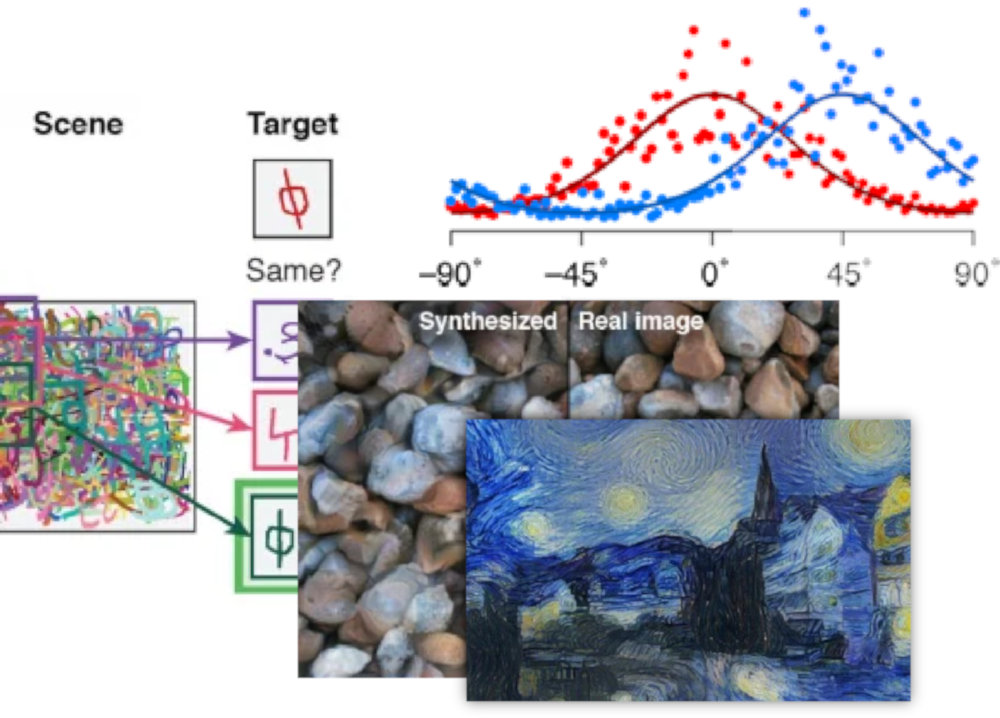
Prof. Erhardt Barth is the Deputy Director at the Institute of Neuro- and Bioinformatics (INB), University of Lübeck . His research focuses on Computer Vision and Machine Learning , drawing inspiration from biological vision systems to develop hybrid human-machine solutions. Education : PhD in Electrical Engineering (1994), Technical University of Munich Positions : Research Associate (Munich), Visiting Fellow (Melbourne), Klaus-Piltz Fellow (Berlin), NASA Vision Science Group member His work bridges computer vision and biological vision , exploring how neural mechanisms can inform algorithm design. Recent projects include deep learning applications in medical imaging (CT scans, radiographs) and bio-inspired neural architectures like FP-Nets and Min-Nets. Publications span medical diagnostics , image processing , and network efficiency . Key trends include explainable AI in healthcare, compact network design , and unsupervised learning techniques. Scientific distinctions : Recipient of the Schloessmann Award (Max Planck Society, 2000) Held prestigious Klaus-Piltz Fellowship (Institute for Advanced Study, Berlin) Prof. Barth has pioneered technology transfer initiatives, founding companies like GazeCom and gestigon while advancing automated diagnostic frameworks in clinical settings.
Professor Astrid Krenz is a Chair of Data Science in Economics at Ruhr-Universität Bochum since 2022. She holds affiliations as a Faculty Member at the Ruhr Graduate School in Economics, an Affiliate at the LSE Data Science Institute, and an Associate Research Fellow at the University of Sussex's Digital Futures at Work Research Centre. Her career includes research fellowships at Durham University, Université de Fribourg, and College of William and Mary. Education: Diplom in Volkswirtschaftslehre (Economics), Universität Bielefeld Dr. rer. pol. (Economics), Universität Göttingen Research Focus: Data Science applications in Economics, including digital transformation, automation, labor markets, regional development, and inequality. Her work bridges AI/ML methodologies with socio-economic analyses, such as epidemiological transitions and industrial reshoring. Publication Trends: Recent articles explore automation's impact on labor markets, gender dynamics in export behavior, manufacturing relocation patterns, and AI-driven document classification. Her interdisciplinary approach combines economic theory with advanced data analytics. Awards & Fellowships: Miguel Dols Fellow (2024-2025) Alfried Krupp Junior Research Fellow (2020-2021) Marie Curie Junior Research Fellow (2017-2019) DAAD-Stipendium (2005-2006)
Yannick Rudolph, M.Sc., is a Research Associate at the Institute for Business Information Systems (IIS) within Leuphana University of Lüneburg. His work focuses on Machine Learning , Artificial Intelligence , and Data Science , with particular emphasis on multiagent systems, explainability, and network modeling. His research interests span Temporal and spatiotemporal modeling of complex systems Deep learning architectures (CNNs, VAEs, GNNs) Information propagation analysis in neural networks AI applications in sports analytics and digital transformation Recent publications highlight trends in masked autoencoders , event classification in soccer , and conditional dependency modeling , reflecting his expertise in integrating theoretical machine learning with real-world application domains. Contact: yannick.rudolph@leuphana.de | Office: C 4.318b, Universitätsallee 1, Lüneburg, Germany
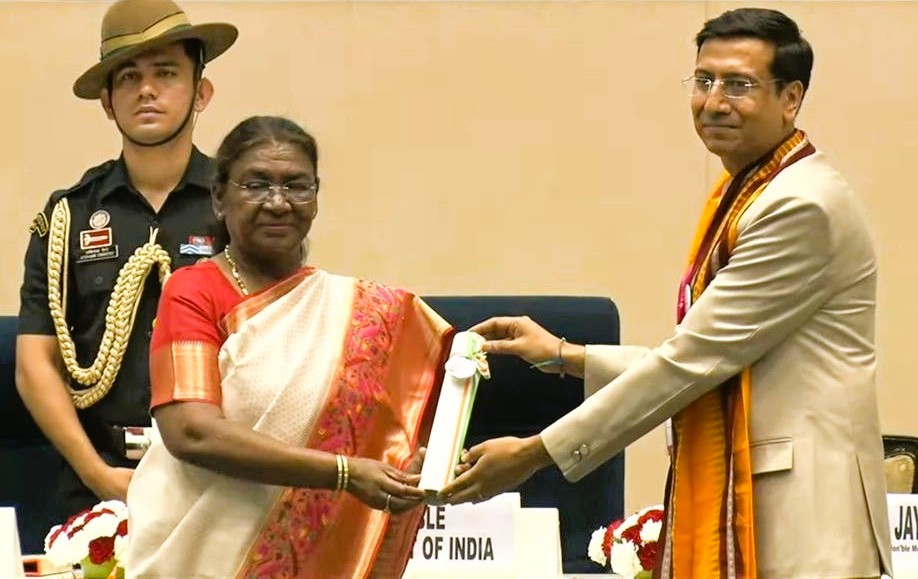
Prof. Kapil Ahuja is a Full Professor in the Department of Computer Science & Engineering at the Indian Institute of Technology Indore (IIT Indore), where he heads the Mathematics of Data Science and Simulation (MODSS) research lab. After completing dual Master's degrees and a Ph.D. from Virginia Tech (USA) followed by postdoctoral work at the Max Planck Institute in Germany, he has held visiting positions at UT Austin, IMT Atlantique, Sandia National Labs, TU Dresden, and TU Braunschweig. His administrative roles include founding Dean of International Affairs and former Head of Computer Science & Engineering at IIT Indore. Education: Ph.D. in Mathematics, Virginia Tech (2011) M.S. in Mathematics, Virginia Tech (2009) M.S. in Computer Science, Virginia Tech (2007) B.Tech. in Mechanical Engineering, IIT (BHU) Varanasi (2001) Research Focus: Prof. Ahuja's work bridges theoretical advances with real-world applications, emphasizing machine learning algorithms for plant/cancer studies, game-theoretic poverty reduction models, exascale climate modeling solvers, and drone trajectory optimization. His interdisciplinary approach integrates numerical linear algebra with network science to solve complex systems problems across healthcare, agriculture, and climate science, supported by 4.85 Crores INR in external funding. Publication Trends: Recent work demonstrates growing emphasis on AI-driven optimization for physical systems (drones, climate models) and biomedical applications (cancer classification). His publications increasingly feature cross-disciplinary collaborations between computer science, biology, and economics, with notable contributions in explainable AI for healthcare and resource allocation algorithms for social networks. Scientific Recognition: National Teacher's Award (2024) from the President of India Five-time recipient of IIT Indore's Best Teacher Award (2013-2023) Best Poster Award at International Workshop on Game Theory & Networks (2019) Steeneck Graduate Research Fellowship (Virginia Tech, 2011) Multiple SIAM travel awards for international conferences Mentorship & Service: Prof. Ahuja has graduated 5 Ph.D. and 4 M.S. (Research) students while mentoring 75 B.Tech. projects. He serves as Associate Editor for Applied Intelligence Journal (Springer Nature) and Knowledge and Information Systems, organizes international conferences, and reviews for 35+ academic sources. His administrative leadership significantly expanded IIT Indore's global partnerships through the Research Park initiative. Research Infrastructure: The MODSS lab maintains active collaborations with Oak Ridge National Lab, Sandia National Labs, and European institutions. Current projects include AI-optimized drone swarms for agricultural monitoring and game-theoretic models for poverty intervention, utilizing high-performance computing resources for large-scale simulations.
Prof. Dr. Alexander Ecker is Professor of Data Science at the Institute of Computer Science, University of Göttingen, and concurrently holds the prestigious Max Planck Fellow position at the Max Planck Institute for Dynamics and Self-Organization. Since 2020 he also serves on the Executive Board of the Campus Institute Data Science in Göttingen. He leads the Neural Data Science research group, comprising 14 PhD students and 2 postdoctoral researchers, focusing on the interface of machine learning and computational neuroscience. His educational background includes a Dr. rer. nat. in Neuroscience (2014) from the Graduate School of Neural and Behavioral Sciences/IMPRS, University of Tübingen, followed by post-doctoral and group-leader positions at the University of Tübingen and the Max Planck Institute for Biological Cybernetics. Research Interests Machine Learning & Deep Learning: developing novel algorithms for representation learning and generative modeling. Computational Neuroscience: large-scale data-driven modeling of visual cortical circuits. Visual Perception: bridging biological vision and computer vision via biologically inspired architectures. His work has produced a steady stream of influential publications (2019-2025) in leading journals such as Nature Communications , Nature , Nature Methods , PLOS Computational Biology , ICLR , NeurIPS , and CVPR . The publications trend toward integrating high-resolution neural recordings with state-of-the-art machine-learning models to uncover principles of sensory processing, neuron-type classification, and behavior. Scientific Awards & Honors Max Planck Fellow, Max Planck Institute for Dynamics and Self-Organization (ongoing) Executive Board Member, Campus Institute Data Science, Göttingen (since 2020) Teaching, Advising & Grants Regularly teaches advanced courses: “Deep Learning for Image Synthesis”, “Current Topics in Deep Learning”, and “Graph Machine Learning”. Supervises 14 current PhD students and 2 postdocs within the Neural Data Science Group. Offers numerous Bachelor’s and Master’s thesis projects, with topics ranging from neuronal morphology clustering to primate vocalization analysis. Leads or co-leads large collaborative consortia with labs in Göttingen, Tübingen, Baylor College of Medicine, and other institutions across the US and Germany. Labs & Teams The Neural Data Science Group operates at the Institute of Computer Science, University of Göttingen, and is tightly integrated with the Max Planck Institute for Dynamics and Self-Organization. The group maintains active collaborations with over a dozen partner laboratories, including groups led by Fabian Sinz, Andreas Tolias, Thomas Euler, Tim Gollisch, and Viola Priesemann, fostering an interdisciplinary environment that spans computer science, physics, biology, and psychology.
Dr. Jason Raphael Rambach is a Senior Researcher and Deputy Director at the German Research Center for Artificial Intelligence (DFKI) in Kaiserslautern, leading the team "Spatial Sensing and Machine Perception." His work focuses on Scene Perception and Reasoning using Machine Learning, with affiliations spanning Computer Vision, Augmented Reality, and Robotics. Education Diploma in Computer Engineering, University of Patras, Greece (2012) M.Sc. in Information and Communication Engineering, Technical University of Darmstadt, Germany (2014) PhD in Computer Science, University of Kaiserslautern (2020) Dr. Rambach's research bridges Object Pose Estimation , Semantic Scene Understanding , Hybrid AI , and Robotic Vision . His publications (50+ in top conferences) and projects like EU Horizon HumanTech highlight AI applications in construction and recycling. Recent articles analyze symmetry ambiguity resolution, spherical image segmentation, and radar-camera fusion. Scientific Awards CVPR 2025 Outstanding Reviewer Best Paper Award, ISMAR 2017 Five BOP Challenge Awards (ECCV 2022, ICCV 2023) Best Industrial Paper, ICPRAM 2024 Scan2BIM Third Place (CVPR2023, CVPR2024) As a coordinator of EU Horizon HumanTech and contributor to projects like COPPER, BERTHA, KIMBA, and TWIN4TRUCKS, Dr. Rambach integrates AI into industrial workflows. He reviews for CVPR, T-PAMI, ECCV, ICCV, and organizes workshops on AI in Construction Robotics.
Professor Tim Straub serves as Professor for General Business Studies, particularly Management of Digital Technologies at Hochschule Reutlingen's ESB Business School since 2023. He also holds the position of Programme Director for the BSc International Management Double Degree (IMX) and Programme Leader for the German-Mexican Double Degree program. His academic journey includes previous roles as Interim Professor for Information Systems and Business Analytics (2021-2023), Department Lead at FZI Forschungszentrum Informatik (2019-2021), and research positions at Karlsruhe Institute for Technology. His educational background includes: Doctorate (Dr. rer. pol.) from Karlsruhe Institute for Technology (2017) Master of Science in Information Engineering and Management from Karlsruhe Institute for Technology (2010-2013) Bachelor of Science in Information Engineering and Management from Karlsruhe Institute for Technology (2006-2010) Professor Straub's research spans Management Information Systems, Platform Economics, and Business Analytics with a recent strong focus on industrial applications of artificial intelligence. His work bridges theoretical frameworks with practical manufacturing applications, particularly in explainable AI for root cause analysis, production optimization, and quality control in industrial settings. He has developed frameworks that combine machine learning with traditional quality management approaches like the Ishikawa model, making AI more accessible to shopfloor workers. Analyzing his 15 most recent publications (2022-2025), a clear trend emerges toward applied AI research in manufacturing contexts. Approximately 75% of his recent work focuses on AI applications in industrial production, particularly CNC tool manufacturing, gear production, and quality control systems. His research consistently emphasizes explainability, ensuring AI systems provide transparent reasoning that industrial workers can understand and trust. The interdisciplinary nature of his work combines information systems theory with mechanical engineering applications. Professor Straub maintains an active research agenda with consistent publication output across top conferences and journals in information systems and manufacturing. His collaborative approach is evident in his extensive co-authorship network, particularly with researchers like Daniel Kiefer, Günter Bitsch, and Clemens van Dinther. While specific funding sources aren't detailed in the provided information, his applied research focus suggests strong industry partnerships and potential involvement in German government-funded digitalization initiatives, as indicated by publications in the 'Projektatlas Künstliche Intelligenz in der Produktion' supported by the Federal Ministry of Education and Research. Students working with Professor Straub would engage with cutting-edge research at the intersection of business administration and digital technologies, with particular opportunities in AI applications for manufacturing industries. His role as program director for international double degree programs indicates a commitment to global educational experiences and cross-cultural business perspectives.
Jochen Triesch is a Professor at Goethe University Frankfurt affiliated with the Frankfurt Institute for Advanced Studies (FIAS), where he leads the Triesch Lab focusing on theoretical neuroscience and developmental artificial intelligence. His research bridges computational neuroscience and AI, exploring how cognitive processes emerge from neural networks and how these principles can inform next-generation artificial systems. Dr. Triesch's primary research interests include Developmental AI - building artificial intelligences capable of autonomous learning like human infants - and investigating why biological brains are significantly more energy efficient (running on approximately 20 watts) than current AI systems. His lab also applies machine learning techniques to medical challenges, particularly in epilepsy research through EEG analysis, unsupervised learning for detecting transition points in neurological disorders, and brain tumor detection using Magnetic Resonance Spectroscopy data. His work combines computer simulations, mathematical analysis, and comparison with human cognitive development to advance both neuroscience understanding and artificial intelligence capabilities. The Triesch Lab maintains an active research program with numerous current PhD students, postdocs, and Master's students working on projects spanning neural network modeling, spiking neuron systems, and medical AI applications. The lab has produced many successful graduates who have gone on to positions at institutions including the Max Planck Institute, University of Cambridge, Merck KGaA, and various technology companies. Dr. Triesch regularly teaches advanced courses including Reinforcement Learning and Theoretical Neuroscience, connecting computer science, neuroscience, and psychology in his interdisciplinary approach to understanding intelligence.
Anita Huttner, MD is an Associate Professor of Pathology at Yale School of Medicine with extensive affiliations across Yale's research ecosystem. She holds primary appointments in the Department of Pathology and participates in numerous specialized research centers including the Alzheimer's Disease Research Center (ADRC), Brain Tumor Center, Genomics, Genetics, and Epigenetics Program, and Yale Cancer Center. Her dual expertise spans neuropathology and molecular diagnostic pathology, creating a unique interdisciplinary approach to understanding brain diseases. Dr. Huttner's research focuses on neurological disorders with particular emphasis on Alzheimer's disease, brain tumors, and epilepsy. She employs innovative techniques including subcellular proteomics, induced pluripotent stem cell (iPSC) modeling, and advanced imaging analysis to investigate disease mechanisms. Her work bridges traditional microscopic examination with modern genomic analysis, allowing her to incorporate genetic sequencing results into visual tumor analysis. Recent publications demonstrate her leadership in identifying biomarkers for neurological conditions and developing novel diagnostic approaches for brain disorders. Analysis of Dr. Huttner's recent publications (2023-2025) reveals a strong focus on Alzheimer's disease mechanisms, brain tumor classification using advanced imaging techniques, and neurological conditions like Tourette Disorder and epilepsy. Her work frequently employs cutting-edge methodologies including single-cell transcriptomics, subcellular proteomics, and AI-based analysis of medical imaging. These publications appear in high-impact journals such as Nature Neuroscience, Nature Aging, and Biological Psychiatry, demonstrating the significance of her contributions to the field. Averill A. Liebow Award for Excellence in the Teaching of Pathology Residents (2009) Nomination for the Alice Bohmfalk Teaching Award in Basic Science (2005) Dr. Huttner maintains an active research program with numerous collaborations across Yale and beyond. Her work involves both basic science investigations and clinical applications, with a particular focus on translating laboratory findings into improved diagnostic approaches and potential treatments. She serves as a Sub Investigator for the SV2A PET Imaging clinical trial focused on epilepsy patients, demonstrating her commitment to translational research that directly impacts patient care. Her mentorship extends to pathology residents, with recognition for excellence in teaching. Based at the Brady Memorial Laboratory at Yale, Dr. Huttner's work integrates multiple research approaches to understand brain pathology at both cellular and molecular levels. Her laboratory investigations focus on recreating brain disorders using stem cell technology to model conditions like epilepsy and Alzheimer's disease, with the ultimate goal of developing better treatments for neurological conditions and brain tumors.
Smita Krishnaswamy is an Associate Professor of Genetics and Computer Science at Yale University with joint appointments in both departments. She is affiliated with multiple interdisciplinary programs including the Applied Mathematics Program, Computational Biology and Bioinformatics Program, Yale Center for Biomedical Data Science, Yale Cancer Center, and the Wu Tsai Institute. Her research bridges computational methods development with biomedical applications, focusing on unsupervised machine learning approaches for high-dimensional data analysis. Associate Professor of Genetics, Yale School of Medicine Associate Professor of Computer Science, Yale University Affiliated Faculty, Applied Mathematics Program Affiliated Faculty, Computational Biology and Bioinformatics Member, Yale Center for Biomedical Data Science Member, Yale Cancer Center Member, Wu Tsai Institute Dr. Krishnaswamy's research focuses on developing unsupervised machine learning techniques, particularly manifold learning and deep learning methods, to analyze high-dimensional biomedical data. Her lab creates algorithms for non-linear dimensionality reduction, data geometry learning, denoising, imputation, and inference of multi-granular structures from complex datasets. These methods are applied to diverse data types including single-cell RNA-sequencing, mass cytometry, electronic health records, and connectomic data across multiple biological systems. Her work spans several key application areas including immunology and immunotherapy, cancer research, neuroscience, developmental biology, and health outcomes analysis. The lab employs approaches from geometric deep learning, multiscale graph signal processing, and topological data analysis to extract meaningful biological insights from complex datasets. Recent publications demonstrate the lab's leadership in developing methods for spatial transcriptomics, brain-state trajectory modeling, and organ donation prediction. Excellence in Science Early-Career Investigator Award from FASEB (2022) Yale Cancer Center Class of '61 Cancer Research Award (2025) Dr. Krishnaswamy maintains active collaborations across Yale and secures research funding supporting her work in computational biomedicine. She advises students through multiple programs including Genetics, Computer Science, and the Biological and Biomedical Sciences Graduate Program, fostering interdisciplinary training at the intersection of computation and biomedicine. The Krishnaswamy Lab operates at the forefront of computational biomedicine, developing mathematical approaches that enable new biological discoveries from complex datasets.